Fifth Circuit Strikes Federal Limits on Making and Shipping Switchblades
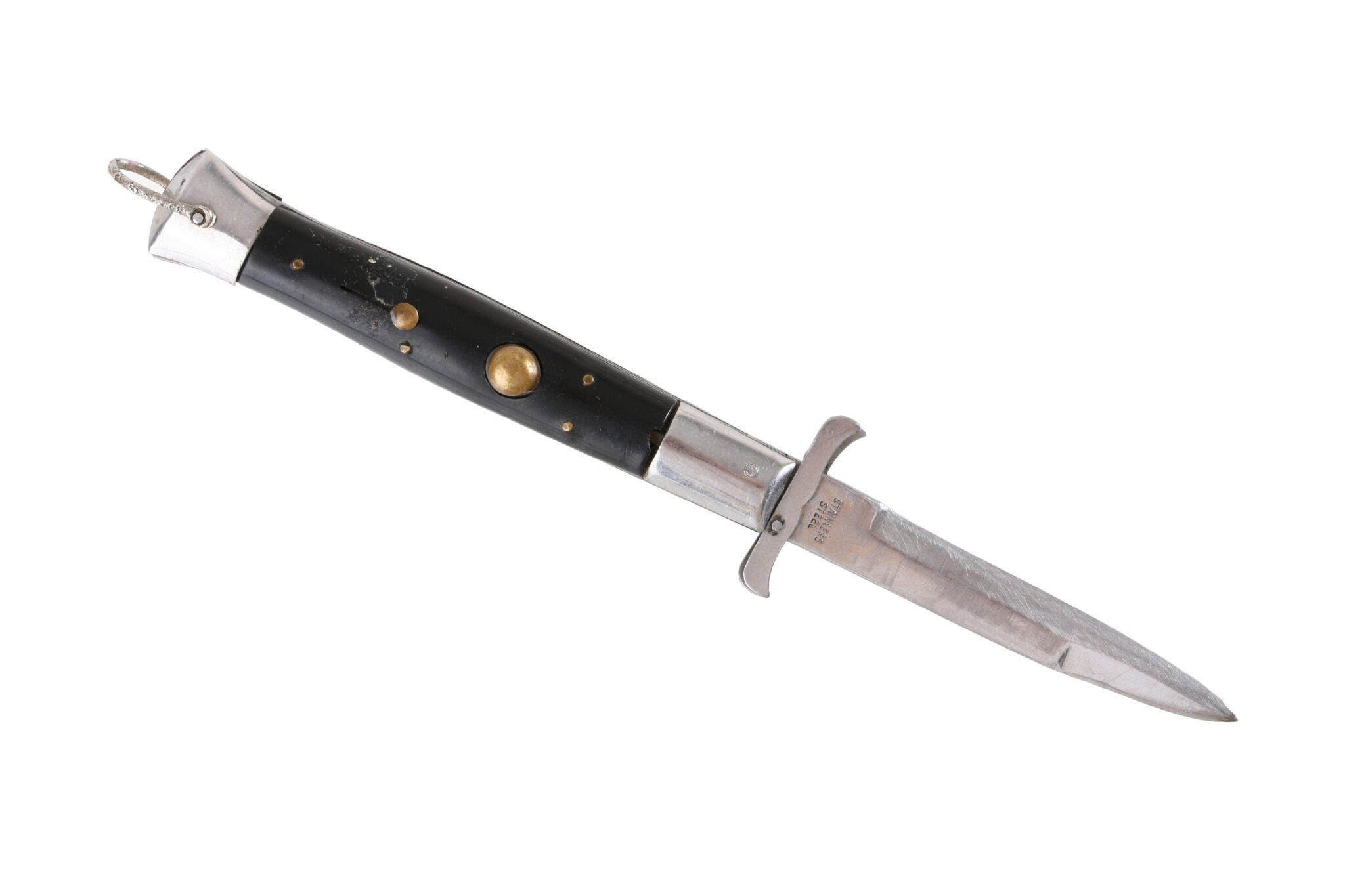
A three-judge panel of the Fifth Circuit ruled that Section 1242 of the Federal Switchblade Act violates the Second Amendment. The case, Knife Rights, Inc. v. Blanche, challenged federal restrictions on the interstate manufacture, transport, and distribution of automatically opening knives. The panel applied the Supreme Court's Bruen framework and found the government could not prove a historical tradition that supports those limits. The court sent the case back to the district court for further proceedings. The ruling has not taken effect, and the Justice Department may still seek further review. Any gun owner who buys, sells, or ships automatic knives across state lines should read this decision closely.
Key Details
The panel's ruling covers a narrow but important piece of federal knife law. Here are the core facts:
- Court: U.S. Court of Appeals for the Fifth Circuit, three-judge panel.
- Case: Knife Rights, Inc. v. Blanche.
- Provision struck: Section 1242 of the Federal Switchblade Act (FSA), which governs interstate manufacture, transport, and distribution of automatic knives.
- Test applied: The Supreme Court's Bruen framework, which requires the government to show the regulation fits within the nation's historical tradition of firearm regulation.
- Government's defense: The Justice Department argued automatic knives are "unusual and dangerous" weapons prone to criminal misuse, and it tied them to historical concealed-carry laws.
- Court's response on history: The panel held that historical concealed-carry laws did not establish a comparable tradition of restricting manufacture, transport, or distribution of arms.
- Protected status: The court affirmed that switchblades are "arms" under the Second Amendment, the same category as firearms and other common self-defense weapons.
- Remedy and status: The case returns to district court. The ruling has not yet been implemented.
The court's conclusion was direct. The government failed to carry its burden to show that Section 1242 matches the Second Amendment's history, principles, and tradition. The panel stated that Section 1242 regulates the right to "keep and bear Arms" in a way that conflicts with founding-era regulation. Knife Rights called the decision a "major step" against a law it says was passed in 1958 amid exaggerated fears about switchblades and juvenile delinquency. The National Rifle Association's Institute for Legislative Action framed the decision as protecting access to non-firearm arms, and it pointed to a separate New York federal ruling on body armor issued the same week.
Background
The Federal Switchblade Act dates to 1958. Congress wrote it to restrict the interstate commerce of automatic knives, not to ban ownership outright. That distinction matters. Most day-to-day possession rules for knives come from state law, and states set their own rules on what you can carry, where, and how. The federal statute works at the level of commerce: it limits how these knives move between states and how they reach buyers.
Knife Rights has pursued challenges to the FSA for years. The organization built its case around the argument that automatic knives are protected arms and that Congress cannot evade the Second Amendment by regulating the manufacture or sale of the item instead of possession. The Fifth Circuit accepted the first premise and rejected the government's attempt to justify the restrictions by pointing to concealed-carry history.
The Supreme Court decided New York State Rifle & Pistol Association v. Bruen in 2022. That decision replaced the older means-end balancing approach with a text-and-history test. Under Bruen, when the Second Amendment's text covers conduct, the government must show that its regulation matches the country's historical tradition of firearm regulation. This ruling applies that same test to a federal knife statute, and it puts the burden on Washington to prove its historical case.
Why It Matters for Gun Owners
The immediate impact falls on people who make, sell, or ship automatic knives. Makers who avoided interstate sales because of the FSA now have a stronger argument that federal law cannot block that commerce. Retailers, custom knife makers, and online sellers in the Fifth Circuit states of Texas, Louisiana, and Mississippi should track how the district court handles remand. Because the ruling is binding within that circuit, it carries the most weight there.
Owners outside the Fifth Circuit face a more complicated picture. A circuit ruling does not automatically strike a federal statute nationwide. Other circuits can reach different conclusions, and the Justice Department can seek review. A knife that ships legally from a Texas maker may still raise questions in another state under local law, so check your state's switchblade and automatic knife rules before you buy or carry.
Watch three things in the coming months: whether the Justice Department seeks rehearing or Supreme Court review, how the district court implements the remand, and whether other challengers file similar suits in other circuits. Each step will determine whether this ruling stays a regional win or becomes a national precedent.
DownRange Analysis
This ruling is a good one, and it follows Bruen's logic. The government's best argument was that concealed-carry laws show a tradition of restricting dangerous weapons. The panel answered that those laws regulated carrying, not manufacturing, shipping, or selling. That distinction is the right one. A law that restricts commerce in a protected arm has to show its own historical pedigree, and a carry statute does not supply it. Expect the government to argue that automatic knives are different from ordinary folders because of their mechanism, but the court already rejected the claim that they fall outside the Second Amendment's protection.
The market effect will be real but gradual. Interstate sales of automatic knives have operated under a federal cloud for decades. If the ruling holds, makers and dealers gain room to grow, and buyers gain more options. Prices may not move much in the short term, but supply should improve over time.
What should a gun owner do right now? Nothing changes overnight. Do not assume the ruling makes every switchblade legal to buy or carry everywhere. Follow the remand in Knife Rights v. Blanche. Keep your state's knife laws in view, document your purchases, and support groups like Knife Rights that carry these cases through the courts. The fight is real, and the appellate win is a useful one, but the statute is not dead until the courts finish the job.