SCOTUS Takes Viramontes in December: 'Weapon of War' Cuts Both Ways
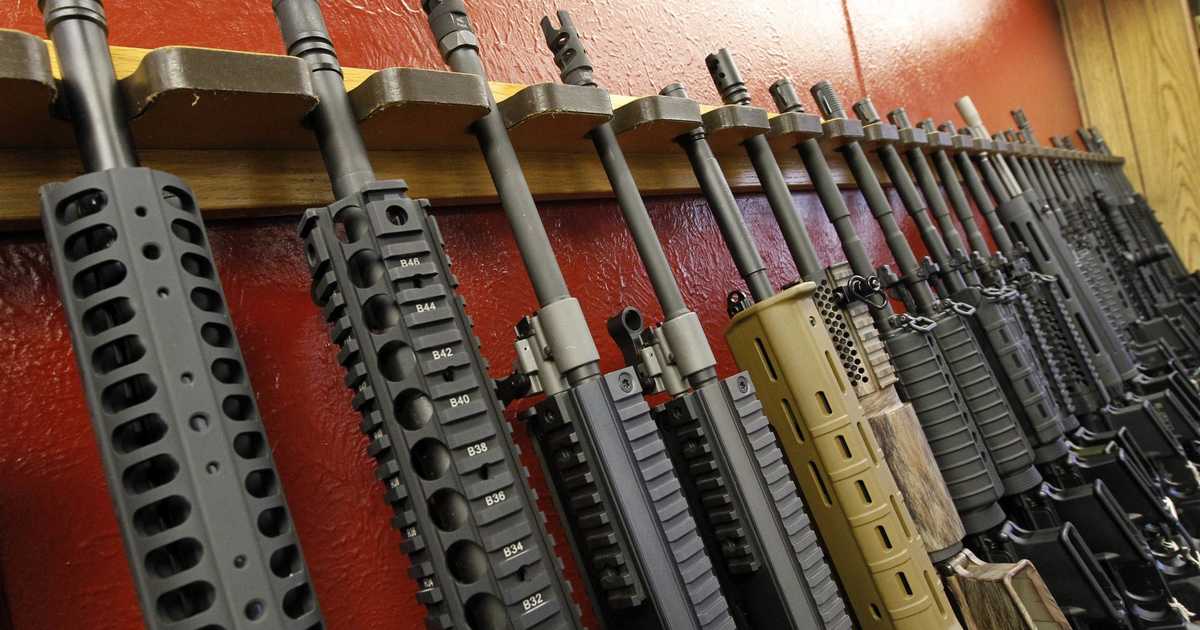
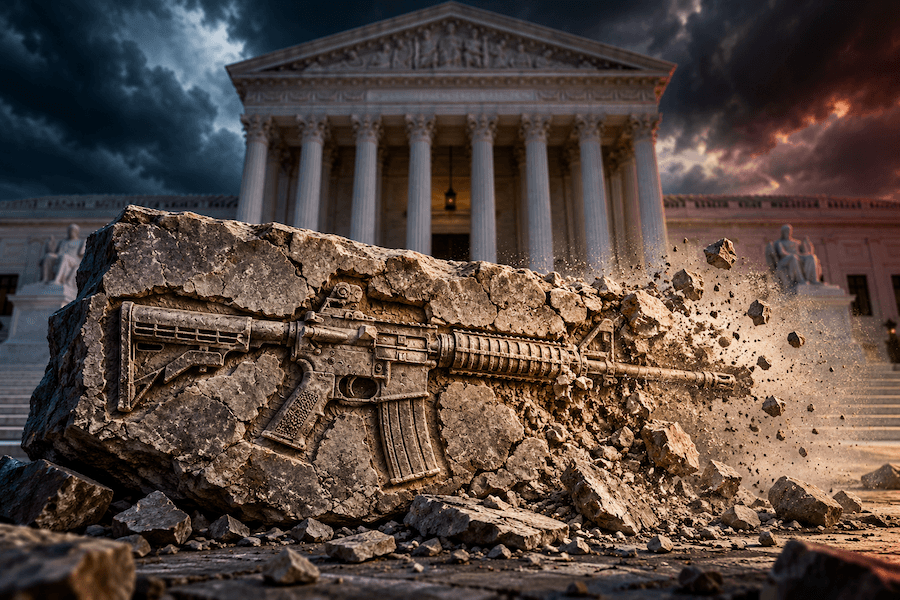
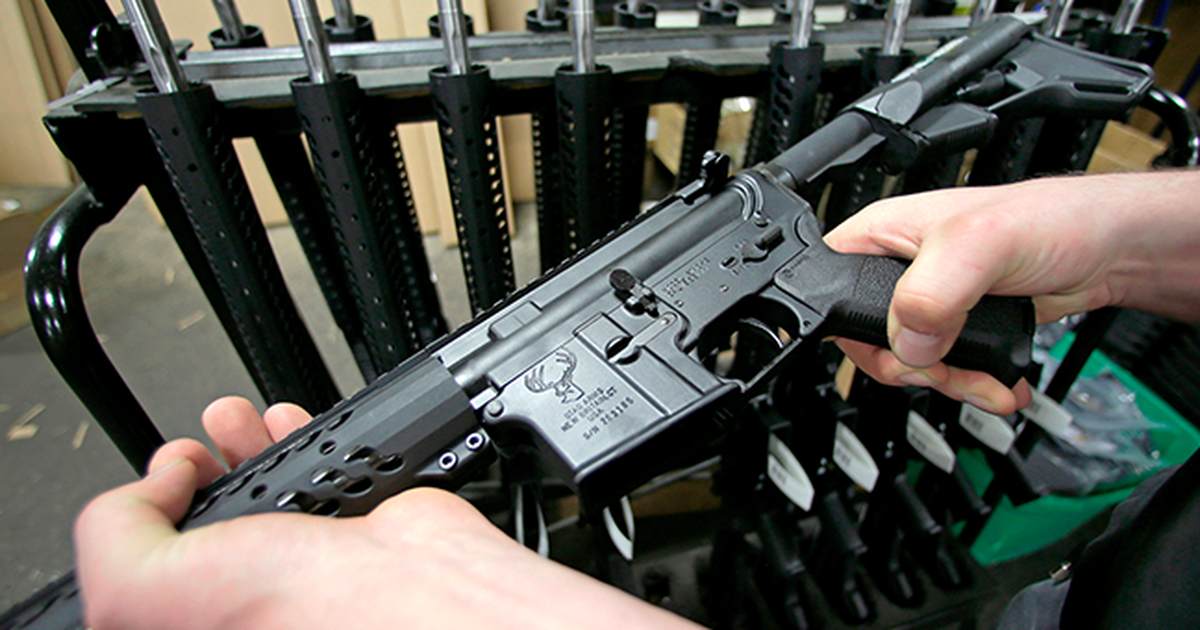
Anti-gun advocates tell the Supreme Court the AR-15 is a weapon of war, so states can ban it. A Bearing Arms op-ed published October 28, 2026 argues that pitch backfires. The Court is set to hear arguments in December in Viramontes v. Cook County, a challenge to state and local bans on AR-15-style semiautomatic rifles. Challengers say the rifles are in common use for lawful purposes, including self-defense. Ban defenders say the guns suit battlefields better than civilian life. The op-ed's author says both sides skip the Second Amendment's militia clause, which protects exactly the kind of small arms an infantryman would have carried.
Key Details
The argument sits on a few concrete points that matter for how the case gets framed.
- Case: Viramontes v. Cook County, with oral argument set for December at the U.S. Supreme Court.
- Challengers' position: AR-15s are in common use for self-defense and other lawful purposes.
- Government position: The rifles' military character justifies banning them from civilian life.
- Amicus role: The Cato Institute filed a friend-of-the-court brief making the militia-based argument, which the op-ed author co-wrote the case for.
- Text at issue: The Second Amendment opens with a militia clause, then says the right of the people to keep and bear arms shall not be infringed.
- Author's core claim: If a firearm qualifies as a weapon of war, the Second Amendment covers it. Nearly every modern firearm has some battlefield lineage.
- Expanded list: The author extends the logic to swords, knives, spears, polearms, daggers, and archery equipment, all of which the text calls arms.
- Historical claim: Colonial militia members carried rifled firearms with range and accuracy beyond what British troops fielded, and the Founders did not restrict those arms.
The op-ed's central move is a reframing. Debates over whether an AR-15 beats a pistol for home defense, or how it performs on a modern battlefield, miss the textual point. The militia clause explains why the right exists. It does not limit who holds the right or which arms count.
Background
The current fight traces back to District of Columbia v. Heller (2008). The Court struck down D.C.'s handgun ban, held that the Second Amendment protects an individual right, and tied protected arms to those 'in common use' at the time. In the same opinion, Justice Scalia suggested weapons most useful in military service, such as M-16-type rifles, might fall outside that protection. Lower courts have leaned on that line ever since.
United States v. Miller (1939) upheld a federal restriction on an unregistered short-barreled shotgun. The Court reasoned that the government had not shown such a weapon had a reasonable relationship to militia service. Ban supporters cite Miller for a militia-focused test. Heller narrowed Miller's reach, reading it as a case about a particular weapon rather than a general militia-only right.
New York State Rifle & Pistol Association v. Bruen (June 2022) replaced means-end balancing with a text-and-history test. Under Bruen, the government must show a regulation fits the nation's historical tradition of firearm regulation. Illinois passed the Protect Illinois Communities Act in January 2023, after the July 4, 2022 Highland Park parade shooting, banning the sale of named AR-platform rifles. Cook County maintains its own ordinance, which is the subject of Viramontes.
Why It Matters for Gun Owners
If the Court upholds the bans, owners in Illinois, California, New Jersey, and New York face a clear message. Lawmakers can define a category of commonly owned rifles by its features and remove it from the market. Owners of AR-platform rifles in those states should confirm which models their local laws name, and whether those laws grandfather existing rifles. Registration and transfer rules vary by jurisdiction, and a mistake can turn a lawful rifle into a felony. Do not move rifles across state or county lines without checking current law.
If the Court strikes the bans, the ripple effects reach every state with a similar law. Watch for how the justices define the protected class. A ruling that treats AR-15s as common arms would weaken feature-based bans nationwide. A ruling that accepts the military-character argument would give legislatures a template for restricting other modern rifles. Read the briefs and the oral argument transcript when they post. Those documents will show which justices find the militia argument persuasive.
DownRange Analysis
The op-ed's textual point is strong, but it asks the Court to do something Heller refused to do. Heller read the militia clause as announcing a purpose, not as limiting the right to militia members. The 'all arms' argument also invites the obvious rebuttal that a court cannot protect every weapon by pointing to a battlefield lineage. The stronger path for challengers runs through common use, where the data on AR-15 ownership, now in the tens of millions of rifles by industry estimates, does real work. Under Bruen, the government must still prove that a ban fits a historical tradition. That burden is heavy. Gun owners should not treat the militia argument as the winning move. They should track the record on common use, support the challengers through the litigation organizations already in the case, and keep their state compliance paperwork clean. The December argument will tell us more than any op-ed.