Oregon Democrats Shelve Bend Gun Talk as GOP Cites Dead School Bills
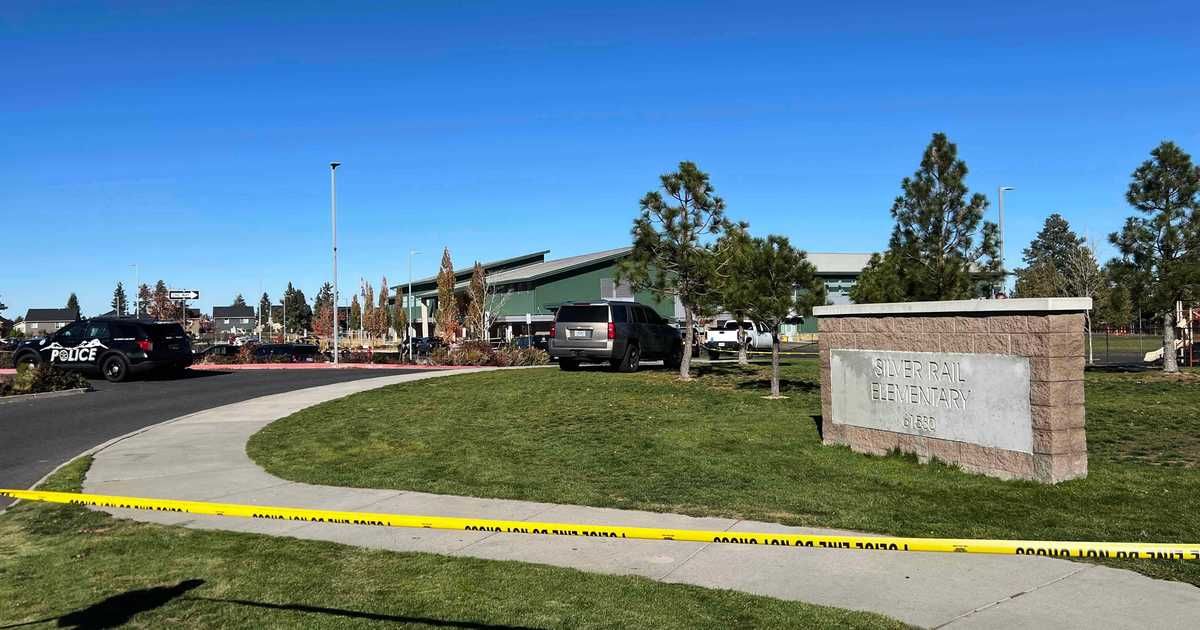
A 16-year-old shot and killed three students and a teacher at Silver Rail Elementary School in Bend, Oregon. Within hours, Giffords and Brady called for action, and Sen. Ron Wyden demanded "common sense gun regulations" without naming one. Oregon's Democratic legislators now say it is too early to discuss legislation. They also object to Republicans reminding voters that Democrats blocked school safety bills in the 2023 session. The GOP argues those bills would have added metal detectors, funded security officers, and studied single-entry school designs. The shooting has become a fight over policy, not just grief, and the battle lines are drawn.
Key Details
The facts that matter are specific, and most of them come from the state's own political record.
- The shooter: A 16-year-old who killed three students and a teacher at Silver Rail Elementary in Bend.
- The armed father: Kaylub Giamanco, 36, grabbed a legally permitted firearm from his car, followed the gunman into the school, and killed him, according to Oregon GOP Chair Connie Whelchel.
- The GOP release: Whelchel issued a statement on Oct. 15. Her children once attended the Bend-La Pine School District.
- The 2021 law: Oregon law allows school districts to prohibit firearms on school property, even for people holding a concealed handgun license. Whelchel named it as a target.
- The 2023 bills: Republicans say Democrats failed to pass measures requiring metal detectors at gun-free zone schools, state funding for school security officers, and a study on single secure entry points.
- The Democratic response: Mack Smith, a spokesperson for Oregon's House Democrats, told the Capital Chronicle that lawmakers will comment on policy once they are ready.
- The party statement: Nathan Soltz, chair of the Democratic Party of Oregon, called the GOP release political grandstanding issued before an investigation finished.
Background
Oregon has spent the last several years building one of the most restrictive gun environments in the country. Measure 114, approved by voters in 2022, created a permit-to-purchase requirement and tied it to magazine limits. Courts have kept it tangled in litigation since then. The 2021 school law came out of the same legislative era, when Democrats expanded local control over firearms on school grounds. Republicans now argue that local control has a cost, because it strips lawful carriers of the ability to respond. The 2023 security bills represent the other side of the ledger. Their failure gives the GOP a concrete record to point to, instead of a general complaint about gun laws.
The legal framework matters too. In New York State Rifle & Pistol Association v. Bruen (2022), the Supreme Court struck down a discretionary carry permit regime and required states to justify gun regulations by reference to historical tradition. The majority also described schools as examples of sensitive places where carry restrictions may survive. That language gives Oregon a stronger defense for campus rules than it has for broader public-carry limits. Courts will still examine the specific rule, not the label.
Why It Matters for Gun Owners
Oregon concealed handgun license holders face a direct consequence. A district can post a sign that bars them from carrying on school property, even if they hold a valid state license and are on the premises for lawful reasons. Parents who volunteer, coach, or drop off children should know the rules where they live. Check the district policy before you walk through the front door with a firearm. A violation can mean a criminal charge, not just a parking lot lecture.
Gun owners in other states should watch this closely. Several states have copied the model of letting schools or local boards decide carry questions. If a legislature hands that authority to districts, the result is a patchwork of rules that changes at every county line. The security debate also affects budgets. Funding for school resource officers, armed staff, and entry-control hardware competes with other district priorities. Expect those fights at school board meetings and in state budget hearings this winter.
DownRange Analysis
The Democratic position is weak on the merits. Soltz wants a serious conversation about how this happened, but he says the conversation must wait. Democrats also demanded "something" be done without naming a policy. A party cannot refuse specifics for weeks and then accuse the other side of politics. Wyden's vague call fails the same test that Soltz applies to Republicans.
The Republican argument is stronger, though it has a gap. Metal detectors at every door would have done little here. Trained, armed presence in every school is a different question, and it may have changed the outcome. Under Bruen, a rule that bars an armed, licensed adult from defending children is hard to defend as a historically grounded sensitive-place restriction. Oregon should expect a challenge if it keeps that policy unchanged. Gun owners should document their district's rule, call board members, and push for security funding that does not depend on a campus being told to leave the lawful carrier out of the plan.