Chicago CCL Holder Shoots Suspected Robber in 2-on-1 Attack
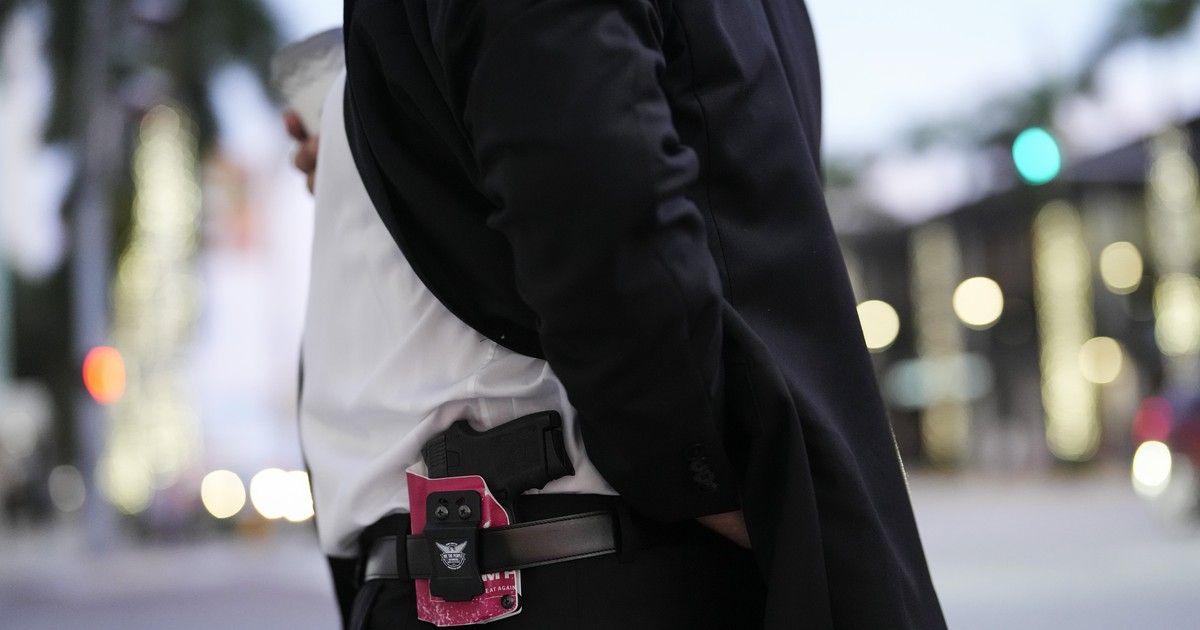
A 23-year-old licensed concealed carrier shot one of two men who tried to rob him in Chicago's Little Village neighborhood last weekend. Chicago police say the man was walking in the 3100 block of West Cermak around 10:25 a.m. when two individuals approached him. A physical fight broke out. The man drew his firearm and fired, hitting one of the attackers. Police say that suspect was taken to an area hospital in critical condition. As of the latest reports, no arrests have been announced, and the shooter has not been charged.
Key Details
The facts that have surfaced so far are few, but they are specific:
- Location: The 3100 block of West Cermak, in the Little Village neighborhood on Chicago's Southwest Side.
- Time: Approximately 10:25 a.m., last weekend.
- Victim: A 23-year-old man holding a valid Illinois Concealed Carry License (CCL) and a Firearm Owner's Identification (FOID) card.
- Attackers: Two individuals who approached him on foot, according to police.
- Outcome: One alleged assailant struck by gunfire, taken to an area hospital, listed in critical condition.
- Investigation status: NBC Chicago reported police wanted to speak with a "person of interest" in the hours after the incident. No arrests have been reported.
- Charges: None filed against the armed man as of this report.
Coverage has been thin. NBC Chicago ran a brief report, and the Chicago Sun-Times published a short write-up. Nobody has publicly confirmed what happened during the physical struggle or whether either attacker had a weapon. Those details will decide how investigators and prosecutors read the shooting.
Background
Chicago did not always allow ordinary residents to carry a handgun outside the home. In December 2012, the Seventh Circuit Court of Appeals struck down Illinois's prohibition on carrying firearms in public in Moore v. Madigan. Illinois then adopted a shall-issue concealed carry law instead of asking the U.S. Supreme Court to hear the case. Gun control advocates predicted that more lawful carriers would make Chicago more violent. Over a decade later, the predicted surge has not materialized, and CCL holders continue to carry legally across the city.
The limit is public transit. The Seventh Circuit has upheld Illinois's ban on carrying in the Chicago public transportation system, and the Supreme Court has declined to take up that challenge. That leaves buses, trains, and stations as gun-free zones for licensed carriers. The Supreme Court's 2022 decision in New York State Rifle & Pistol Association v. Bruen set the standard for these cases. Under Bruen, the government must show that a gun restriction fits within the nation's historical tradition of firearm regulation. Transit bans now face that test in lower courts.
Why It Matters for Gun Owners
Any Illinois CCL holder who carries on Chicago streets faces the same question this man faced: what happens after the first shot. Illinois law allows force in self-defense only when the defender reasonably believes force is needed to stop an imminent threat. Two attackers do not automatically justify deadly force. They do, however, weigh heavily in whether a reasonable person feared death or great bodily harm. A physical assault that escalates to a two-on-one fight is the kind of fact that matters most in a self-defense review.
Carriers should watch three things. First, police and prosecutors may take days or weeks to decide on charges, so a shooter should expect a long, uncomfortable process. Second, the armed man's account to police will be compared with witness statements and any video, so consistency matters. Third, if the suspect is charged, the case may reach a courtroom that tests how Illinois self-defense law applies to a multi-person street attack. Anyone with a CCL in Chicago should review the state's self-defense statute and keep a lawyer's number on hand before carrying.
DownRange Analysis
This shooting makes the case for permitted carry better than any argument from a lobbyist. A 23-year-old with a CCL faced two men, fought back, and stopped the threat without the police arriving first. Under the Bruen framework, the Second Amendment protects that right to bear arms for self-defense in public. Illinois cannot ban carry on the street, and Chicago's crime numbers do not justify treating legal carriers as the problem.
The transit ban is the weak point. Riders who depend on the CTA are the people most exposed to robbery, and the ban leaves them unarmed. Any challenge that reaches the Supreme Court should target that gap directly. Until then, gun owners in Chicago should carry where they can, train for multi-attacker scenarios, and document everything after a defensive shooting. Preparation matters more than the headline.