FN's EVOLYS Cuts Belt-Fed Weight to 5.5 kg in 5.56
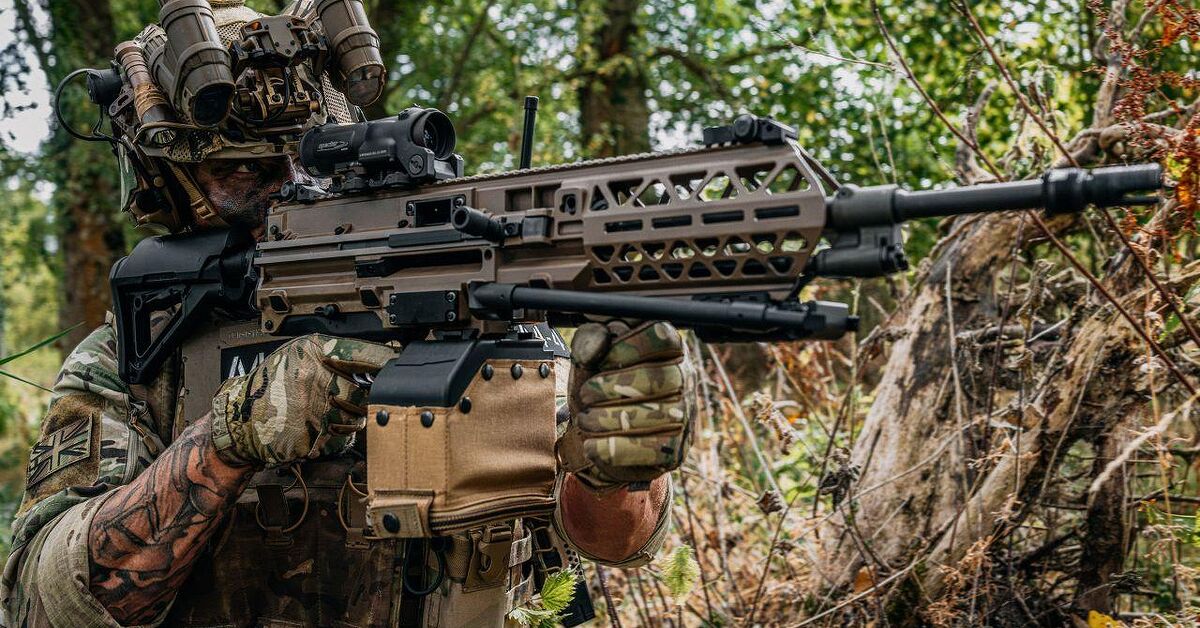
FN Herstal built the EVOLYS to make belt-fed fire cheaper on the body. The 5.56x45mm NATO version weighs 5.5 kg, roughly two kilograms less than an FN Minimi. The 7.62x51mm NATO model comes in at 6.2 kg. The Firearm Blog featured the rifle in its Photo of the Day on October 26, 2026, showing soldiers carrying the gun in the field. The platform does not rely on a lighter barrel or a stripped-down receiver. It rethinks where the belt enters the gun, and that change drives most of the weight and handling gains. For anyone who has humped a SAW through a long day, that is the headline.
Key Details
The numbers and features that matter:
- 5.56x45mm NATO version: 5.5 kg, about 2 kg lighter than a Minimi.
- 7.62x51mm NATO version: 6.2 kg.
- Handling: Balance and ergonomics sit closer to an assault rifle than to a traditional light machine gun.
- Selector: Includes a semi-auto position for precise shots on point targets.
- Feed system: A patented lateral feed mechanism lets the shooter engage the belt with one hand.
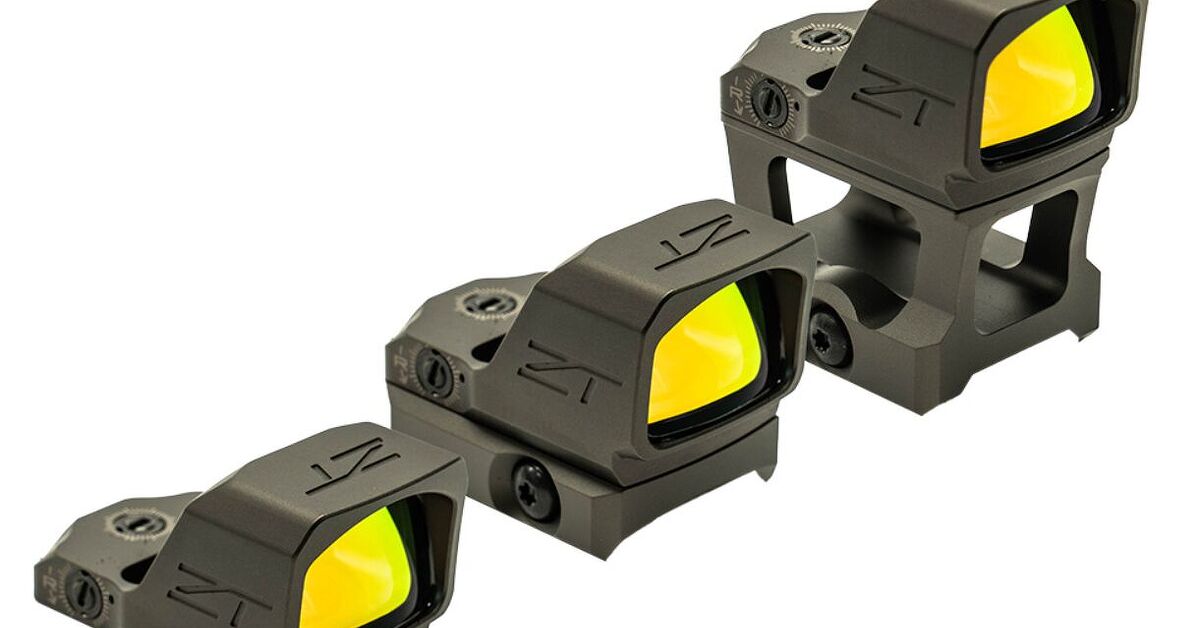
- Rail and optics: Moving the feed off the top of the receiver frees the top surface for a long, one-piece rail and in-line optics.
The lateral feed is the design's core idea. Traditional belt-fed guns put the feed on top, which dictates sight height, rail layout, and how a gunner manipulates the belt. Moving it to the side solves several problems at once. The gunner keeps one hand free for support or movement, and the optic line stays straight over the bore. The semi-auto selector position adds a second layer of utility. A gunner can switch to controlled single shots for distant or precise targets without changing weapons. Chapman's principle, that subtracting weight makes a system faster everywhere, applies directly. FN has taken off weight and improved handling in the same stroke.
Background
The Minimi is the benchmark here. FN developed the Minimi in the 1970s as a light machine gun built around the 5.56mm round. The United States adopted a version as the M249 Squad Automatic Weapon in the 1980s. Soldiers have carried it for decades, and the complaints have stayed consistent: heavy, awkward to manage with one hand, and tough to fit with modern optics. The M249 gave infantry squads volume of fire, but at a weight that slowed movement.
Colin Chapman founded Lotus in 1952 with a philosophy of lightness and simplicity, and that thinking carried into FN's design work. Civilian gun owners face a separate history. The National Firearms Act of 1934 placed machine guns under federal registration and tax. The Firearm Owners Protection Act of 1986 closed the civilian machine gun registry to new transferable guns. A select-fire belt-fed gun cannot be bought legally by most private American citizens today. Any civilian-legal version would be a semi-automatic rifle or carbine built on the same concepts, not a machine gun.
Why It Matters for Gun Owners
Most gun owners will never buy an EVOLYS. The gun is a military and law enforcement platform, and its select-fire function keeps it outside the typical civilian market in the United States. The design still matters. Engineering choices made for military belt-fed guns tend to show up later in civilian semi-automatic rifles, carbines, and accessories. Lateral feed and free-floating top rails are the kind of ideas that trickle down into aftermarket parts and clone designs.
Watch for three things. First, any commercial semi-auto version marketed to civilians, and the state laws that would govern it. Some states restrict specific features such as detachable magazines, barrel shrouds, or folding stocks, so a legal federal sale does not guarantee legal possession everywhere. Second, the NFA and federal machine gun rules. A semi-auto version does not carry NFA status, but any conversion to full auto does, and the penalties are severe. Third, the rise of accessory makers chasing the lateral-feed concept. If they build parts for civilian rifles, check fitment and legality before you buy. Practice with the platform you own. Weight reduction only helps if you can run the gun well.
DownRange Analysis
Does this design survive Bruen scrutiny? The question applies to any civilian version, not to the military select-fire gun. Under New York State Rifle & Pistol Association v. Bruen, courts ask whether a modern firearm restriction fits within the nation's historical tradition of firearm regulation. A semi-automatic rifle with a lateral feed would be a standard arms case, and the Second Amendment protects it. Restrictions on machine guns, by contrast, rest on a long statutory record that courts have largely upheld. The EVOLYS sits on the regulated side of that line, not the protected one.
The market signal is clear. Manufacturers are chasing lighter, more controllable belt-fed platforms, and the optics-friendly top rail is a real selling point. If you carry or train with a rifle, take the lesson: shed weight where it costs you mobility, and keep the controls you use under stress within reach. Right now, the practical action is simple. Study the design concepts, run your current rifle with a sling and one-handed reloads, and confirm your state's rules before you buy any new accessory or semi-auto variant. Do not buy a conversion or a part that promises full-auto performance. That path ends in federal prosecution.