ATF Exempts a WWII Spy Pistol From the NFA
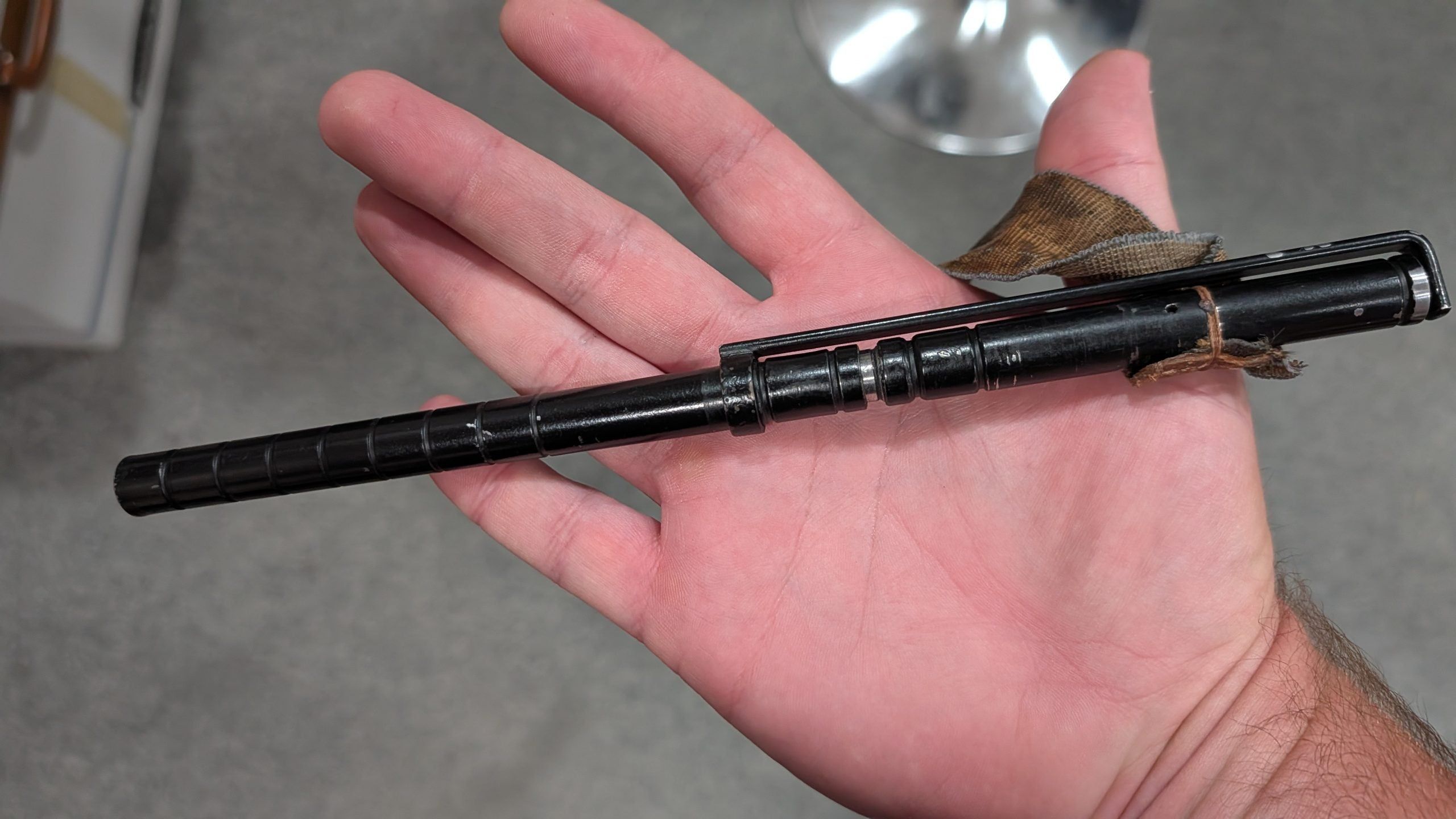
The ATF exempted one .22LR Welwand from National Firearms Act rules and cleared it to transfer as a GCA curio and relic. The single-shot, integrally suppressed pistol was built for British SOE operatives in the Second World War. A private seller consigned it to Centurion Auctions, and it sold for $3,000. The sample belonged to Captain Peter Mason, a man who served with the SOE, the SAS, and MI6. Here is what the ruling means for collectors and anyone tracking wartime suppressed pistols.
Key Details
The facts on this gun are thin, and the ones we have matter.
- Caliber and design: .22LR, single shot. One round loads directly into the chamber, and a spring-loaded firing pin fires it.
- Barrel and suppressor: A three-inch barrel with a wipe-based suppressor packed with sound-reducing material at the end.
- Production: Fewer than 100 .22LR Welwands were made. Only two are known to exist, and one sits in a British museum.
- Related variant: A thicker, reloadable .32 ACP Welwand also exists. Three examples are known.
- Carry method: The SOE meant operatives to strap the gun to the forearm under a sleeve. The auction sample still had its 18-inch strap.
- Provenance: The gun came from the collection of Captain Peter Mason, who donated weapons and gadgets to museums after settling in Canada. After Minard Smith of Watkins, Iowa, died, his small museum collection was sold, and a private seller bought the Welwand.
- Sale: Centurion Auctions sold it for $3,000.
- Federal status: The ATF evaluated this specific example, exempted it from the NFA, and classified it as a GCA curio and relic.
Background
The Welrod is the better-known sibling. British SOE and American OSS operatives used this integrally suppressed bolt-action pistol during the war. The Welwand came from the same design thinking: a straight length of pipe, a suppressor built into the barrel, and a gun meant for a short, quiet job. SOE planners treated the Welwand as expendable. Operatives fired it, dropped it, and moved on. Few made it to peacetime, which explains the tiny production run.
The National Firearms Act of 1934 put suppressors and other specialty weapons under federal registration and tax. Items that fall under NFA rules require approval before transfer. The Gun Control Act of 1968 created the curio and relic category, which covers certain older firearms that collectors can acquire under looser federal rules. Whether a wartime suppressed pistol qualifies depends on ATF's own evaluation, and this ruling reflects that evaluation for this one gun. It does not rewrite the NFA.
Why It Matters for Gun Owners
Most gun owners will never bid on a Welwand. The ruling still matters for anyone who collects historic suppressed firearms. An ATF classification of one item does not automatically cover others. A Welrod, a different Welwand variant, or a homemade wartime replica each needs its own determination, so buyers should not assume the .22LR exemption carries over. Anyone shopping for an older suppressed pistol should confirm the item's status with ATF or a licensed dealer before paying. A dealer who cannot explain the NFA status of a specific item should be a red flag.
Collectors in Iowa and across the country should also watch how ATF handles these requests going forward. Curio and relic status can open doors that a standard NFA transfer keeps closed, and the agency has not always been consistent. Keep a record of the classification letter, the seller, and the dealer's paperwork. If you buy a historic suppressed piece, you will want that trail when you sell it or pass it on.
DownRange Analysis
This ruling does not touch the Second Amendment question. Bruen, decided in 2022, asks whether modern regulation fits the nation's historical tradition of firearms regulation. It addresses carry and public-carry licensing, not the NFA's registration and tax scheme for suppressors. Nothing in this classification forces a court to rule on whether the NFA itself passes muster. Suppressors remain under federal control for ordinary buyers.
The market impact is narrow. A $3,000 sale for a rare wartime piece tells you the collector market pays for provenance and rarity. It does not tell you that suppressors are getting easier to buy. If you collect, document everything: the classification, the chain of custody, and the dealer's name. If you want a working suppressor, buy through the normal NFA process and do not wait for a curio exemption.