FBI Still Blocks Two Trump-Pardoned Men From Buying Guns
The FBI denied background checks for two men who received presidential pardons from President Donald Trump. Patrick “Tate” Adamiak and Pastor Russell Fincher each filled out an ATF Form 4473 and each got a denial from NICS. Adamiak tried to buy an Auto-Ordnance semi-automatic Thompson with engraved images of Trump. Fincher tried to buy a Smith & Wesson Victory handgun. Both pardons were signed on September 3, 2026, nearly two months before the denials became public. The pardons did not translate into cleared background checks.
Key Details
The core facts are simple and they matter for anyone with a federal conviction and a pardon.
- Pardons signed: September 3, 2026, by President Donald Trump, for Adamiak and Fincher.
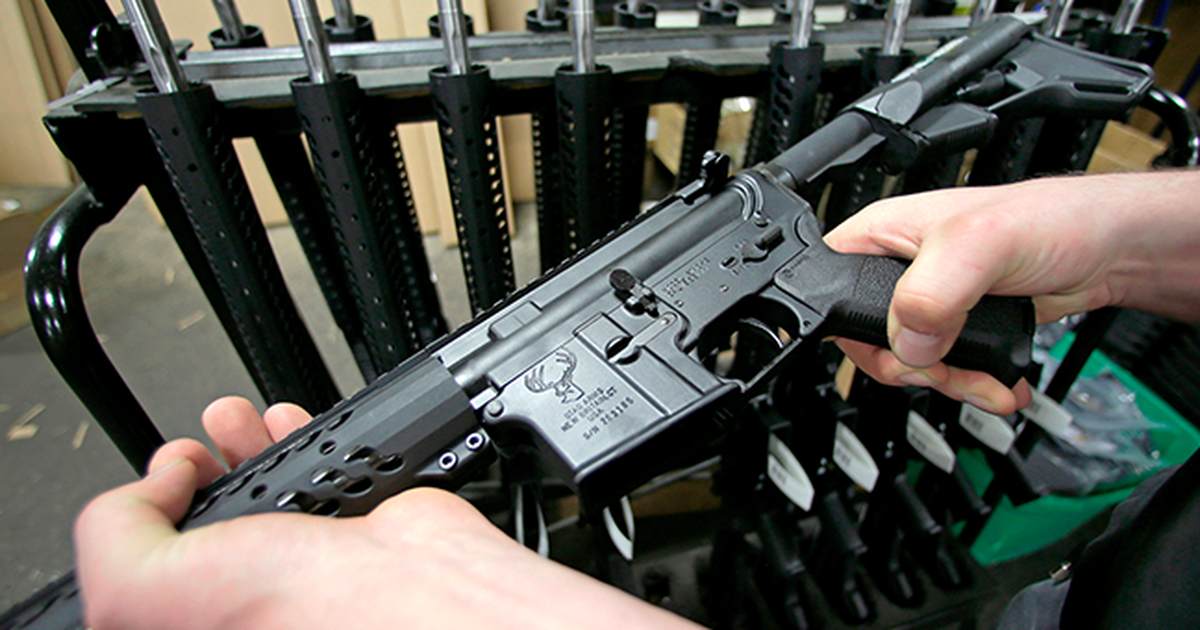
- Adamiak’s attempted purchase: an Auto-Ordnance semi-automatic Thompson with engraved images of President Trump.
- Fincher’s attempted purchase: a Smith & Wesson Victory handgun.
- Paperwork: both men completed ATF Form 4473 before each check.
- Result: the FBI denied both transactions through NICS.
- ATF position: Director Robert Cekada said Friday that ATF had nothing to do with the denials. He stated that the 4473 goes to the FBI and that the FBI issues every NICS denial.
- Press response: the FBI requires reporters to submit questions by email. Questions went out Friday morning. As of the report, the bureau had not called or replied.
- Fincher’s reaction: he called the situation “frustrating.”
Note the division of labor. ATF collects the form and sends it along. The FBI runs the check and makes the call. That puts the fix squarely on the FBI’s desk, and so far the FBI has not said how it will correct the records.
Background
Federal law bars people convicted of crimes punishable by more than a year in prison from possessing firearms under 18 U.S.C. § 922(g)(1). The same statute, through 18 U.S.C. § 921(a)(20), says a conviction stops counting for this purpose when it has been expunged, set aside, pardoned, or when civil rights have been restored. The exception is a pardon that expressly bars firearm possession. On paper, a standard presidential pardon removes the federal prohibition.
NICS is a different animal. It checks the FBI’s records at the moment of purchase. A pardon does not automatically purge the old conviction from those records. Someone has to update the file, and that process runs on FBI timelines. Historically, people in this position have used the NICS Voluntary Appeal File, which lets a person submit proof of eligibility so future checks clear faster. The FBI has also been the agency that approves or rejects those appeals. This case shows the gap between the legal status of a pardon and the database that enforces it at the counter.
Why It Matters for Gun Owners
Any American with a pardoned or expunged conviction can run into this wall. A pardon does not show up as a clean record at a gun store. The dealer sees a denial and must stop the sale. The buyer then has to prove eligibility after the fact, often over weeks or months.
Dealers do not have discretion to override a NICS denial. If the FBI says no, the sale ends. That applies in every state, including those with permit-to-purchase systems and those with universal background checks. Private sales face the same problem in states that require a check or a licensed transfer. A buyer who tries to skip the check to avoid a denial commits a federal felony.
If you hold a pardon, keep the signed document in a safe place with certified copies. If you have been denied, request your NICS denial reason in writing and file for the Voluntary Appeal File. Ask for the pardon paperwork to be attached to the file. Expect delay, and do not assume the FBI will fix it on its own.
DownRange Analysis
The Second Amendment question here is not whether a pardoned man can own a gun. Under the statute as written, he can. Under Bruen, the government must justify a firearm restriction by reference to the nation’s historical tradition of firearm regulation. A federal ban that has been legally lifted by pardon, then kept alive by a database lag, is hard to defend on historical grounds. Founding-era law did not depend on a federal records system to return a restored citizen to full rights. The FBI has an administrative answer, not a constitutional one.
The market impact is small in the short term. Two sales failed. The bigger risk is that dealers treat pardoned buyers as presumptively prohibited, which chills sales well beyond these two cases. Watch for a public NICS correction, a written FBI statement, or a DOJ policy memo. Any of those would set the standard for every pardoned buyer.
Right now, pardoned gun owners should document everything and file appeals early. Do not attempt a workaround. Read the pardon itself for any firearm language, because an express restriction changes the analysis. The FBI owes these men a faster answer, and gun owners should keep pressing for it.