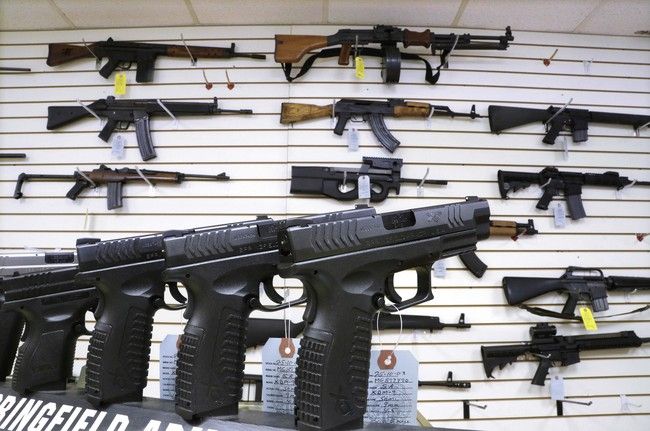
Amicus Brief Resurrects Well-Regulated Militia Clause in AR-15 Defense
A new amicus brief argues that the militia clause of the Second Amendment—"a well regulated militia being necessary to the security of a free state"—actually strengthens, not weakens, the constitutional case for protecting AR-15s and similar modern rifles. The filing inverts decades of anti-gun legal strategy that treated the prefatory clause as a restriction on individual rights, instead positioning militia readiness as a direct justification for civilian ownership of rifles functionally identical to military platforms.
Key Details
- The brief reinterprets the prefatory clause as foundational reasoning for the operative clause, not a limiting condition.
- It directly addresses AR-15 ownership and the modern rifle's role in militia capability, rejecting the "not military weapons" framing used in recent state bans.
- The argument emerges as courts continue parsing District of Columbia v. Heller and New York State Rifle & Pistol Association v. Bruen in Second Amendment cases nationwide.
Why It Matters for Gun Owners
This brief flips the constitutional narrative in your favor. For decades, anti-gun lawyers weaponized "well regulated militia" to argue away your right to own AR-15s, arguing the phrase meant military service only. Now a serious legal filing says the opposite: the Founders explicitly tied militia readiness to the right to keep and bear arms, and modern militia capability demands modern rifles. If courts adopt this reasoning, it becomes exponentially harder for states to ban semi-automatic rifles under Bruen's historical test. It also strengthens arguments against magazine-capacity limits and ammunition regulations—because all affect militia readiness. Watch for this brief's influence in pending cases across federal circuits.
DownRange Analysis
This brief represents sophisticated constitutional judo. Instead of abandoning the militia language (which sounds archaic to modern ears), it weaponizes it. The Founders connected militia service to the right; banning the rifles that make militia service viable contradicts their own text. Post-Bruen courts must ask whether there's historical basis for restricting militia-relevant weapons—and there isn't one. The brief's weakness: courts still resist reading the prefatory clause as action-forcing. Strength: it mirrors Heller's own reasoning and fits Bruen's originalist methodology. This is the kind of filing that shifts appellate thinking quietly, case by case. Track which circuits cite it first.