Blue-State Prosecutors Ask SCOTUS to Keep AR-15 Bans in Place
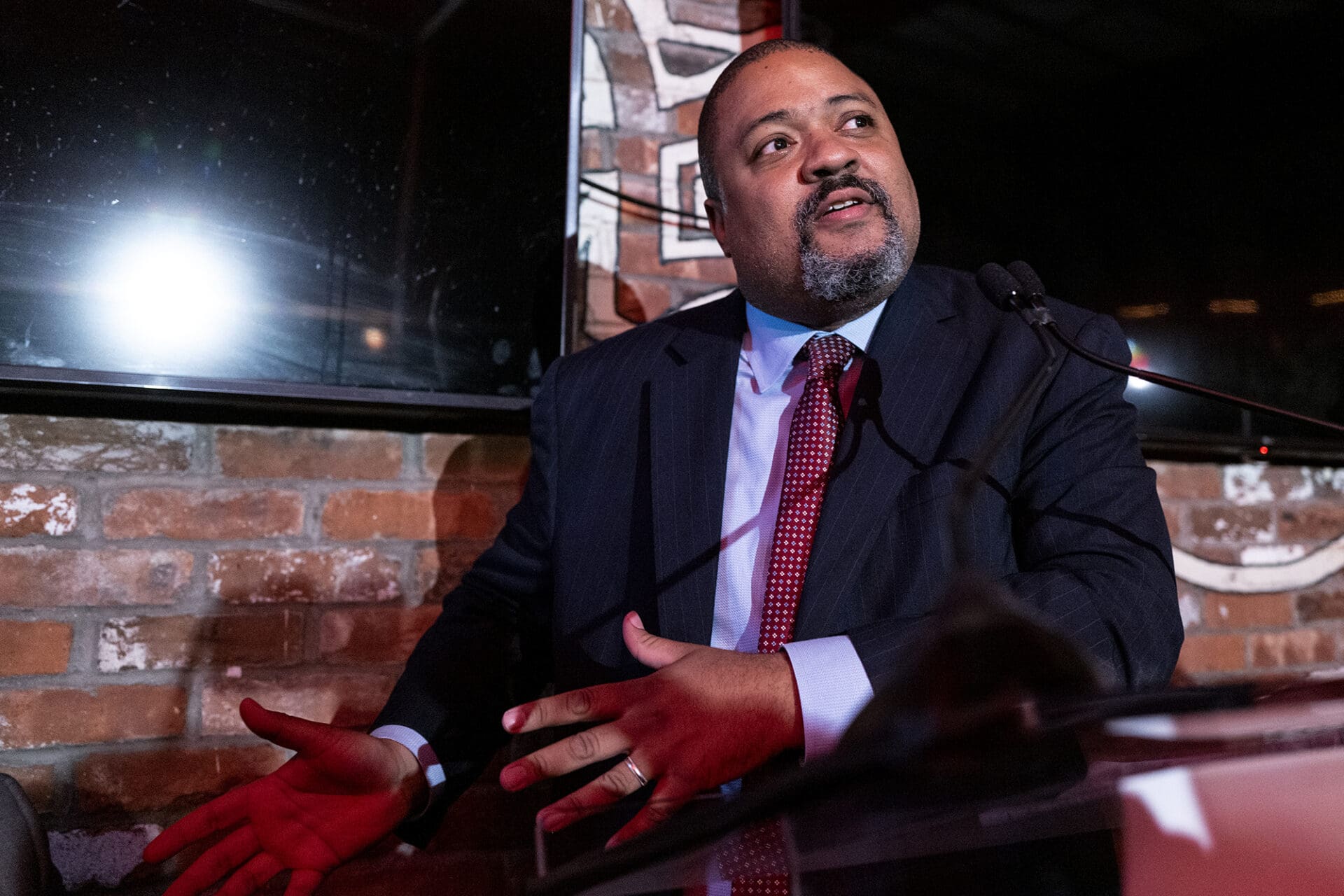
A coalition of prosecutors from liberal jurisdictions told the U.S. Supreme Court on October 29 to uphold the semi-automatic rifle bans in Connecticut and Cook County, Illinois. Prosecutors Against Gun Violence, co-chaired by Manhattan District Attorney Alvin Bragg and Columbus City Attorney Zach Klein, filed the amicus brief in Viramontes v. Cook County and Grant v. Higgins. The brief asks the justices to affirm the Second and Seventh Circuit decisions that let both bans stand. Oral arguments in the consolidated case are scheduled for December 2. The filing matters because the same prosecutors enforce comparable bans in six states. A ruling for the challengers would reach those laws too.
Key Details
The brief came from a group that describes itself as an independent coalition of prosecutors from liberal jurisdictions. Its arguments and key facts include:
- Filing date: October 29, 2026
- Cases: Viramontes v. Cook County and Grant v. Higgins, consolidated for Supreme Court review
- Lower court rulings sought: Affirmance of the Second Circuit and Seventh Circuit decisions upholding the bans
- Member jurisdictions: Prosecutors enforcing comparable assault-weapon bans in New York, California, Delaware, Massachusetts, Maryland and Washington
- Core argument: The Second Amendment does not protect civilian ownership of firearms designed for military combat
- Military claim: The brief cites the Army Field Manual's guidance that M-16s should normally be fired in semi-automatic mode
- Bruen claim: The brief argues the historical tradition test gives states more room to regulate AR-15s than other firearms
Bragg issued a news release calling the rifles weapons of war and saying states should be able to enforce bans on them. Klein blamed the mass shootings in Dayton and Uvalde on individuals with access to extreme firepower rather than on the shooters' choices. The source also cites FBI statistics showing rifles of all kinds are used in less than 3% of U.S. homicides, with AR-15-style rifles making up a small subset of that figure.
Background
The Supreme Court held in District of Columbia v. Heller in 2008 that the Second Amendment protects an individual right to keep and bear arms. In New York State Rifle & Pistol Association v. Bruen in 2022, the Court struck down New York's discretionary carry licensing and set a new test. Under Bruen, the government must show that a challenged regulation fits within the nation's historical tradition of firearm regulation. Lower courts have spent the years since sorting out how to apply that test to modern rifles.
The federal assault weapons ban of 1994 expired in 2004 and was never renewed. Connecticut responded to the 2012 Sandy Hook shooting by tightening its existing restrictions, and Illinois later enacted its own statewide ban in 2023. Cook County's ordinance followed the same path of local restriction. The Second and Seventh Circuits both upheld the bans, which set up the split of arguments now before the justices.
Why It Matters for Gun Owners
Owners in New York, California, Delaware, Massachusetts, Maryland and Washington should pay the closest attention. Those states already enforce bans that the brief's own authors describe as comparable. If the Court sides with the plaintiffs, those statutes become vulnerable to the same constitutional reasoning. Owners in Connecticut and Illinois face the most direct exposure, because their bans are the subject of the case.
Watch for three things. First, the scope of any ruling. A narrow decision might address only the features that define the banned rifles. A broad one could reach magazine limits and other accessory restrictions. Second, whether the Court modifies how Bruen's historical test applies to weapons in common use. Third, how state legislatures respond if the bans fall. Some states may rush to write replacement laws. Others may argue that a partial loss still leaves registration or licensing requirements intact.
Right now, owners in affected states should verify their paperwork. Keep receipts, serial numbers and registration confirmations in a single location. Check your state's current roster of banned features before buying or modifying any rifle. Join or support state gun rights groups that are tracking the case and can file their own briefs if needed.
DownRange Analysis
The brief's core claim is that the AR-15 is an unusually dangerous military weapon. That argument fails on the facts. The rifle's design is semi-automatic, and the brief admits the AR-15 cannot deliver fully automatic fire. Citing a Field Manual that recommends semi-automatic fire for M-16s proves the rifle is a common platform. It does not prove the rifle is military-only. Bruen asks whether the government can point to historical analogues. Prosecutors arguing that modern technology justifies looser rules are asking the Court to replace history with policy preference.
Expect the Court to focus on whether semi-automatic rifles are in common use for lawful purposes. Millions of these rifles are owned by lawful citizens. That fact cuts against the prosecutors. The FBI homicide figures the source cites also undercut the claim that these rifles are a unique public safety threat. Those numbers will not decide the constitutional question, but they expose the weakness of the prosecutors' framing.
Market pressure follows litigation. Dealers in affected states often see demand spikes around major rulings and oral arguments. Do not panic buy. Instead, document what you own and confirm your state's rules. Support the plaintiffs' legal organizations if you can. Read the December 2 transcript when it posts. The justices' questions will tell you more about the outcome than any amicus brief.