Chicago's Transit Gun Ban Didn't Stop This Knife Attack
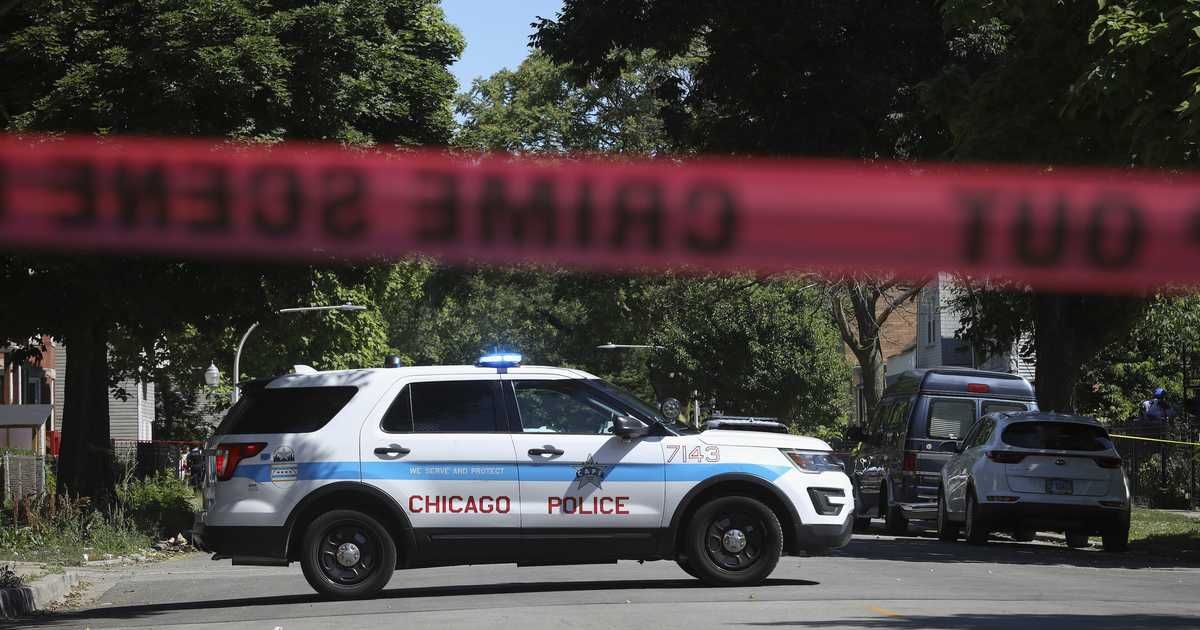
A 56-year-old Chicago man allegedly stabbed a Good Samaritan three times inside a Blue Line station this year, leaving the victim nearly blind. Shawn Jackson now faces attempted murder and aggravated battery charges. Prosecutors asked a Cook County judge to hold him until trial last week, and the judge agreed. The attack happened in a place where weapons of any kind are banned by city rule. The ban did nothing to stop the knife.
Key Details
The fight started at a gas station near the transit stop. A security guard allegedly watched Jackson shoplift and confronted him. Jackson pulled a knife, the two fought, and Jackson ran. The guard grabbed a baseball bat and chased him. A friend of the guard saw the chase on his way to the station and joined in.
- Defendant: Shawn Jackson, 56
- Charges: Attempted murder and aggravated battery
- Location: CTA Blue Line station, Chicago
- Surveillance footage allegedly shows Jackson entering the station with the knife drawn, followed by the guard and the victim.
- An unidentified person jumped on the guard's back, took the bat, and ran, according to prosecutors.
- Prosecutors say Jackson stabbed the victim in the right side and near his left eye while the guard turned to defend himself.
- When the victim backed away, Jackson allegedly stabbed him a third time and slashed his left eye.
- Outcome: The victim is nearly blinded, according to CWB Chicago's reporting.
A separate incident came days later. Early Sunday, a passenger allegedly shot an Uber driver during an attempted robbery. A woman who shared the ride told a 911 dispatcher that a 16-year-old pulled a gun on the driver. She ran from the car. Two armed men then robbed her of a bag and work items, according to Chicago police dispatch audio. She refused to identify herself or file a police report.
Background
Illinois lawmakers passed the Firearm Concealed Carry Act in 2013. The law followed Moore v. Madigan, a 2012 Seventh Circuit decision that struck down the state's total ban on carrying outside the home. The legislature then listed transit property among the locations where lawful carry stays prohibited. The Chicago Transit Authority falls under that restriction, so a permit holder cannot carry on a bus or train.
In 2022, New York State Rifle & Pistol Association v. Bruen changed the test courts use. The Supreme Court required the government to show that a restriction matches the nation's historical tradition of firearm regulation. It also said the list of "sensitive places" is not exhaustive. Lower courts have since split on how far those places can extend. Novotny v. Moore challenges several of Maryland's gun-free zones, including public transportation. The Supreme Court is scheduled to consider whether to take the case at its conference this Friday.
Why It Matters for Gun Owners
Any permit holder who rides the CTA or depends on rideshare has a problem. Under the reporting's account of Illinois law, a concealed carry holder who doesn't own a car cannot carry in a rideshare vehicle. Uber and Lyft also bar their drivers from carrying. A commuter must either leave the gun at home or break the law on the way to work. The same goes for the trip home. The restriction covers the walk to the station, the ride, and the walk after.
The people most exposed are the ones who can least afford it. Night-shift workers, rideshare drivers, and residents without cars carry the greatest risk. Criminals already plan around these rules. The attacker in the Blue Line case did not check a sign before he drew a knife. Anyone living or working in Chicago, Cook County, or the Chicago metro area should map their daily route and identify every point where they would be unarmed. Gun owners in Maryland should watch the Novotny docket closely, since its outcome could affect transit carry across that state.
DownRange Analysis
Under Bruen, the government must point to historical analogues for transit restrictions. The problem is that streetcars and trains did not exist when the Second Amendment was ratified. Courts will still have to decide whether a modern subway is a sensitive place in the same sense as a courthouse. A blanket ban that also covers the approach and the exit looks hard to defend. Chicago's record also undercuts the claim that the ban keeps people safe. The city posted a sign, and the knife came out anyway.
For the market, this case keeps permit holders buying compact carry guns they can conceal on their bodies, not in bags that transit rules might target. Carry in a bag or pocket, not in a car you do not own. Read the Novotny outcome as it arrives. If the Court takes the case, expect a fight over the scope of Bruen's sensitive-places language. Until then, know which laws apply to your commute, and document every route you take.