ATF Silent Weeks After Suppressor NFA Ruling; Dealers Left Hanging
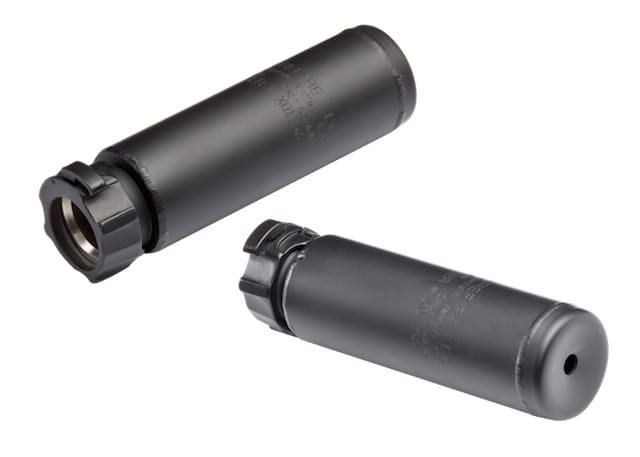
Weeks after a major federal court decision on suppressor NFA classification, the ATF and Department of Justice have not issued guidance on how the ruling affects current regulations or future sales. Gun owners, manufacturers, and dealers face legal uncertainty while waiting for official clarification. GOA briefed members on the stalled response, leaving the industry in limbo as suppressor buyers question whether purchases are lawful under current rules.
Key Details
- The court victory addressed NFA treatment of suppressors but lacked immediate implementation orders.
- Federal agencies have not published formal guidance documents, rule clarifications, or timelines for compliance changes.
- Gun Owners of America notified its membership on the delay and current status of the ruling's practical effect.
- Suppressor manufacturers and dealers continue operating under existing NFA regulations pending federal direction.
Why It Matters for Gun Owners
This delay directly impacts anyone considering a suppressor purchase. Under current NFA rules, a suppressor still requires Form 4 registration, a $200 tax stamp, fingerprints, and a 6–12 month wait. If the court ruling eventually eliminates or modifies that classification, buyers who register now may face legal exposure or outdated tax obligations. Gun owners should assume suppressors remain NFA-regulated items until the ATF formally revises its position. Rushing to purchase based on an unenforced court order is a trap. Dealers cannot legally sell outside current NFA requirements, and the government has shown no urgency in updating policy.
DownRange Analysis
The federal government's silence is deliberate. After losing in court, DOJ and ATF have two paths: appeal or comply. A stalled timeline buys them negotiation room and time to evaluate appellate strategy. For gun owners, this teaches a hard lesson: court wins don't equal immediate freedom. Bruen set a historic standard for Second Amendment analysis, but implementation depends on agency compliance and often, further litigation. Until ATF publishes a revised position or a court orders immediate injunctive relief, suppressors remain taxed, registered, and regulated. Gun owners betting on judicial momentum should prepare for a longer fight.