ATF Director Rejects Gun Control Groups' Regulatory Claims
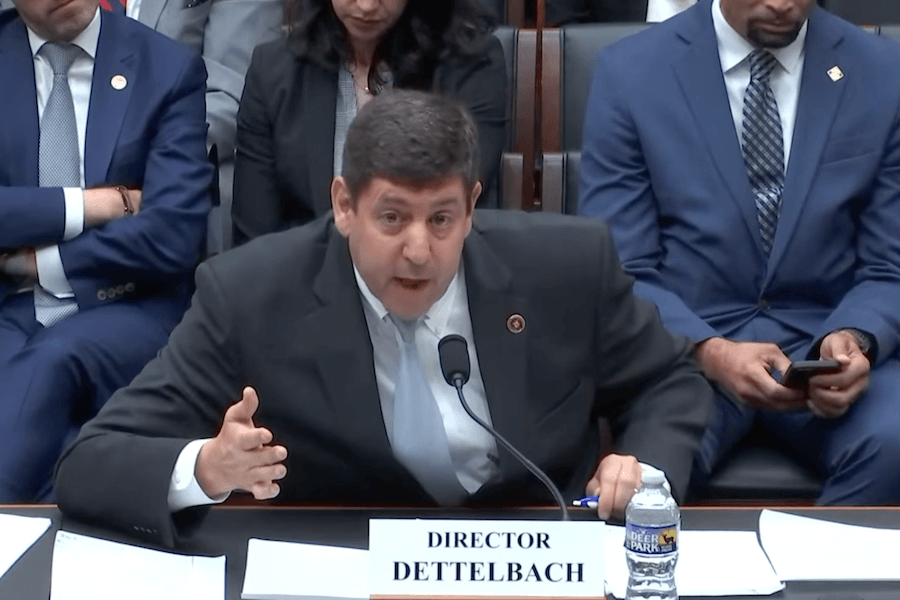
The Bureau of Alcohol, Tobacco, Firearms and Explosives has moved to distance itself from gun control advocacy groups, directly challenging their legal arguments and rhetorical tactics. This represents a sharp break from the prior administration's collaborative stance with anti-gun organizations. The ATF's leadership is now publicly correcting sensationalist claims and questionable legal interpretations being circulated by control advocates.
Key Details
The shift in position is substantive, not rhetorical. The current ATF leadership is taking active steps to correct the record on regulatory authority and legal precedent rather than allowing false claims to shape public perception of agency power. Gun control groups had become accustomed to regulatory activism from federal authorities; that partnership has ended. The ATF is reasserting institutional boundaries around what its legal authorities actually permit.
Why It Matters for Gun Owners
For years, gun owners watched federal agencies and anti-gun advocacy groups work in lockstep to expand restrictions through regulatory interpretation. This development signals that pipeline has fractured. When the ATF corrects legal claims in public, it creates a factual record that courts rely on. If control advocates want to push new regulations, they can no longer assume the agency will provide cover through expansive interpretation of existing law. Owners in all states benefit when federal enforcement operates within its actual legal boundaries. This doesn't eliminate regulatory threats, but it does remove one vector of overreach: the complicit federal agency amplifying activist demands.
DownRange Analysis
The ATF's willingness to publicly correct advocacy groups suggests institutional discipline and legal caution. Regulatory agencies face Bruen scrutiny now. Overreach invites litigation the government will lose. By correcting false claims early, the ATF appears to be protecting itself against future constitutional challenges while also signaling it won't be dragged into positions its lawyers know are indefensible. This is not a gift to gun owners—it's institutional self-preservation. But the practical effect is the same: fewer bad regulations, slower regulatory expansion, and a federal agency that understands the legal limits of its power. Gun owners should monitor whether this posture holds across different administrations and remains consistent as political pressure rebuilds.