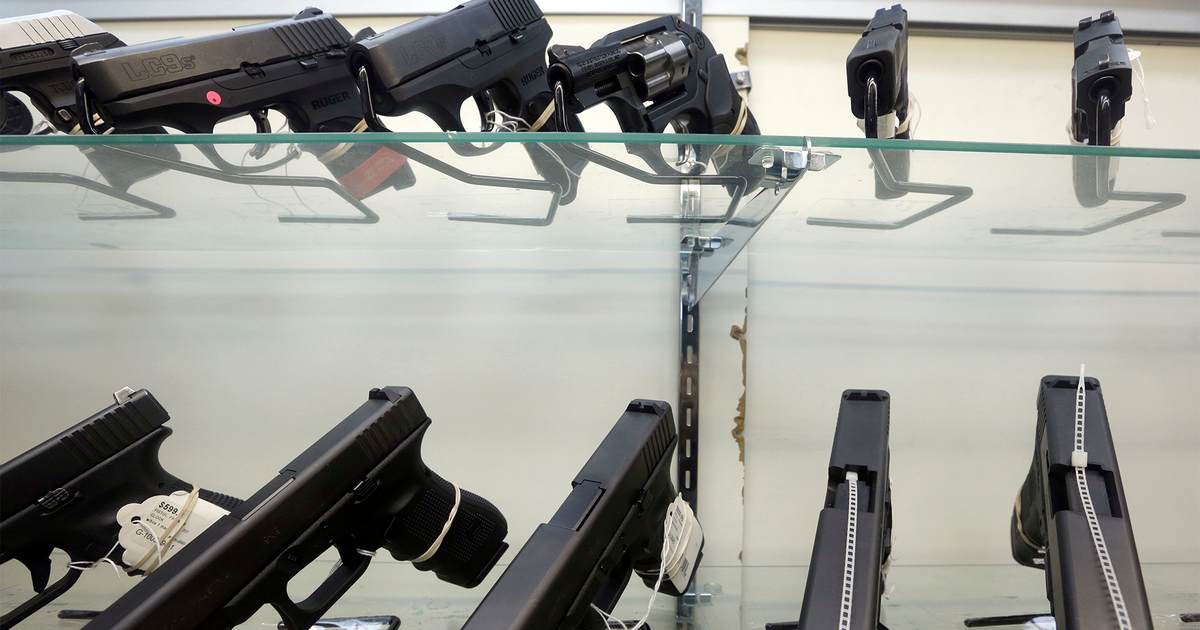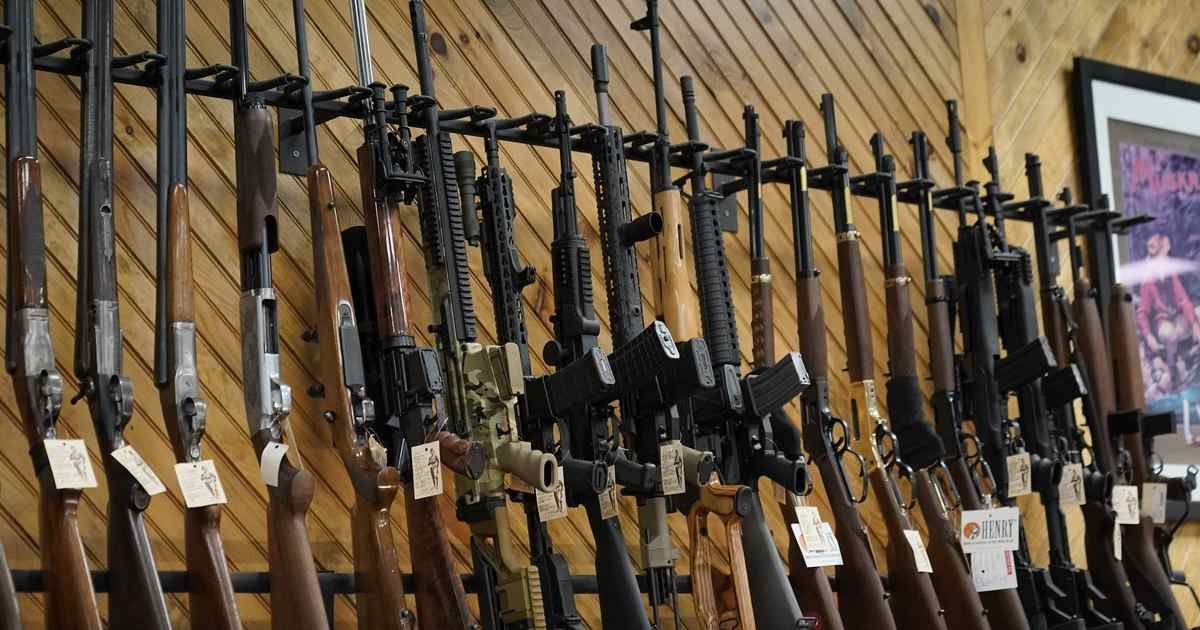
Canada's Top Court Now Weighs a Ban on 2,500 Gun Models
Canada's Supreme Court heard arguments on November 9 and 10 on whether the federal cabinet exceeded its authority when it banned more than 2,500 models of assault-style firearms. Government lawyers argued the case. So did gun rights advocates, including the Canadian Coalition for Firearm Rights. The justices have not ruled. Once they do, the federal government gets 90 days to decide what comes next, and the current grace period for legal owners runs until that deadline. For Canadian owners, the question is narrow: did the cabinet act within its legal limits? Whether the ban itself violates a fundamental right is not on the table.
Key Details
The case centers on a single legal question, and the numbers in circulation matter. Here is what is confirmed in the reporting:
- Court: Supreme Court of Canada, the country's highest court.
- Hearing dates: November 9 and 10, 2026.
- Challengers: Canadian Coalition for Firearm Rights and other gun rights advocates.
- Government position: Defending the federal ban and the cabinet action behind it.
- Scope of ban: Reported as more than 2,500 models of assault-style firearms. One passage in the coverage cites nearly 2,000 models, so the count needs confirmation from the court record.
- Grace period: Extended for legal owners until 90 days after the final ruling.
- Government timeline: Jim Belanger, MP for Sudbury East-Manitoulin-Nickel Belt, told The Expositor that a decision will come, followed by a 90-day window for the government to respond.
Belanger's comments confirm the process, not the outcome. No decision date has been set. Owners who hold listed firearms should treat the grace period as the operative deadline, not the hearing date.
Background
Canada's current prohibition traces to a May 2020 order in council that added roughly 1,500 models to the country's prohibited list. Cabinet acted through executive authority rather than a vote in Parliament, and that choice sits at the center of the present challenge. Later actions widened the list, and the total now reported runs past 2,500 models. Canadian firearm law also differs fundamentally from American law. Canada's Charter of Rights and Freedoms contains no right to keep and bear arms. Courts there review government action against the Charter's protections and the statutes that govern firearms, which means a gun owner's argument must travel through administrative law rather than a constitutional guarantee.
The American side moved differently. In District of Columbia v. Heller (2008), the Supreme Court recognized an individual right to keep and bear arms. McDonald v. Chicago (2010) applied that right to the states. New York State Rifle & Pistol Association v. Bruen (2022) then set the modern test. Under Bruen, the government must show that a gun regulation fits within the nation's historical tradition of firearm regulation. Canada has no equivalent test, so its courts cannot ask that question at all.
Why It Matters for Gun Owners
Canadian owners face a real legal fork. If the Supreme Court finds that cabinet exceeded its authority, the ban could fall or shrink, though the government still holds a 90-day window to respond through its own process. If the court upholds the action, owners of listed models face a compliance deadline and possible loss of firearms. Either way, the outcome depends on administrative law, not on a right that owners can invoke directly.
American owners should watch for a different reason. Canadian litigation is often cited by gun control advocates in U.S. debates as a model for what they want. Expect that rhetoric to show up in state legislative sessions and in ballot measures. Owners in states with assault weapon bans should track the bill text, the definitions of covered firearms, and any grandfathering provisions. Those details determine whether a lawful owner keeps a rifle or loses it.
DownRange Analysis
The Canadian case shows why the Second Amendment matters even when its protections feel abstract. Canadian challengers must win on procedure. They must prove cabinet overstepped its statutory limits. American challengers can argue that a ban violates a textual right, then force the government to produce historical analogues under Bruen. That is a stronger position, and it is why the Canadian argument is harder to win on the merits.
A narrow Canadian ruling would likely prompt quick workarounds, the same pattern American gun control advocates have used after losses in court. A broad ruling would leave less room for maneuvering. Gun owners should not wait on a foreign court. In the United States, they should keep their state representatives on record, support the litigation funds and organizations that bring Second Amendment cases, and keep their firearms in lawful, documented order. The fight in Canada is a warning. Rights that exist only on paper are easy to take.