Wisconsin Man, 75, Shoots Intruder Who Grabbed His Glasses
A 75-year-old Oneida County, Wisconsin homeowner shot and killed 35-year-old James Roath after Roath tried to force his way into the house in the early hours of November 15. Marshall Robinson opened his front door with a handgun in hand. Roath grabbed Robinson's glasses and pushed toward the entrance. Robinson fired and struck him. Deputies and medical personnel tried lifesaving measures, but Roath was pronounced dead at the scene. Roath had already caused trouble at a neighboring home that night, and that detail shapes how the shooting should be judged.
Key Details
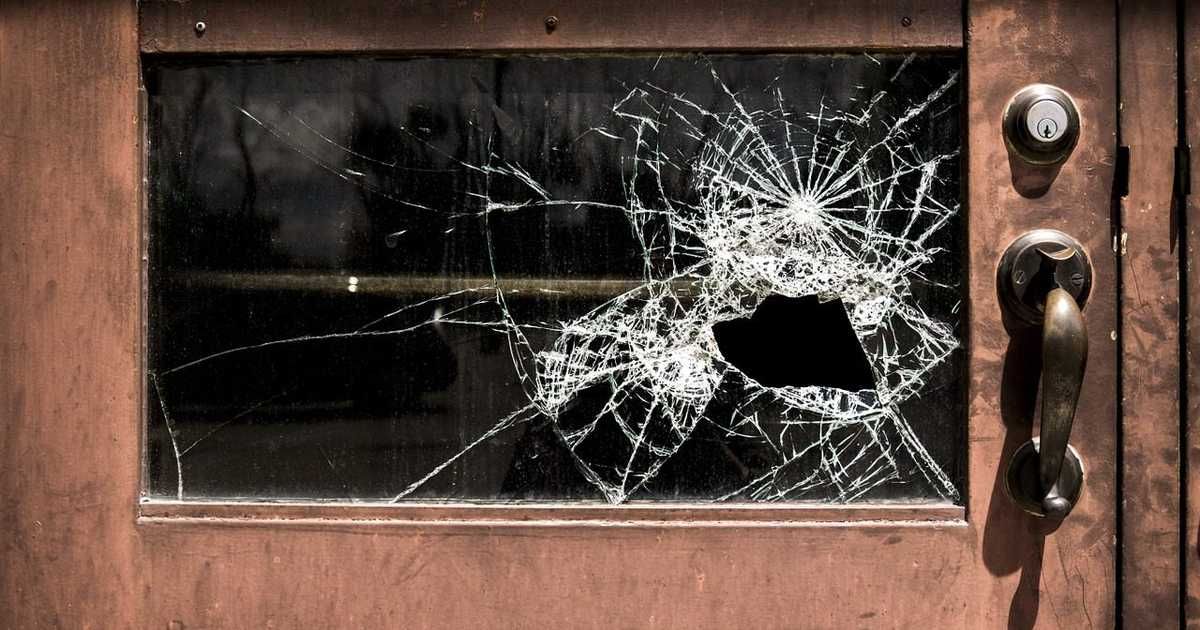
The sequence began around 1 a.m. on November 15 at the home of an elderly woman. According to the resident, Roath got inside before she got him back outside and locked the door behind him. Roath then pounded on her door and kicked it before leaving on foot. When she called police, she told them the man appeared intoxicated.
- Date and time: Around 1 a.m. on November 15, 2026
- Location: Oneida County, Wisconsin
- Intruder: James Roath, 35
- Homeowner: Marshall Robinson, 75
- First contact: Roath got inside a woman's home, then she locked him out
- Second contact: Roath pounded on the side of Robinson's house, then the front door
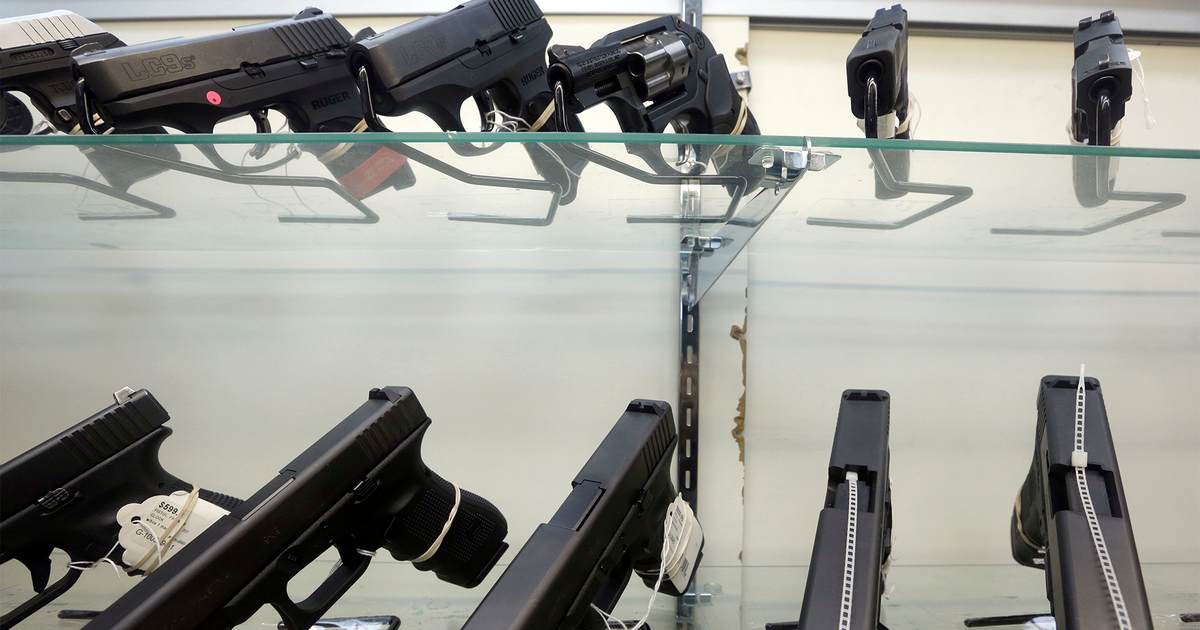
- Weapon: Robinson used a handgun; no make or model was reported
- Struggle: Roath grabbed Robinson's glasses and tried to push inside
- Outcome: Roath was struck by gunfire and pronounced dead at the scene
The report was published by Bearing Arms on November 18, 2026. It notes that Wisconsin's self-defense statute presumes deadly force is reasonably necessary when someone is unlawfully and forcibly entering a dwelling, and the defender knows or reasonably believes that entry is occurring.
Background
Wisconsin's self-defense law sits in Wis. Stat. 939.48. The statute lets a person use force when they reasonably believe it is necessary to prevent imminent unlawful force. The presumption at issue, which applies to forcible entry into a home, came out of Wisconsin's 2011 reform of its castle doctrine. That reform gave homeowners a clearer legal footing when a threat is already inside or breaking in. Wisconsin law also does not require a person to retreat from their own dwelling before defending it.
The Wisconsin Constitution also protects the right to keep and bear arms in Article I, Section 25. Courts have long read the state's self-defense statute alongside that guarantee. Before the U.S. Supreme Court's 2022 decision in New York State Rifle & Pistol Association v. Bruen, the bigger fight in many states was about carry licensing. This case involves neither. It turns on whether a specific act of force was justified under a state statute that already favors the homeowner.
Why It Matters for Gun Owners
Any Wisconsin homeowner with a firearm in the house should understand how the presumption works. It applies when an unlawful, forcible entry is underway or has happened, and the defender knows or reasonably believes it. A stranger pounding on doors at 1 a.m. and forcing a grip on a homeowner can meet that test. Ordinary gun owners in every state should take note too, because many state castle doctrines use similar language.
The practical lesson is about what you do before you pull a trigger. Do not open the door fully to a stranger at night. Use a chain or a door viewer. Call 911 and keep the line open. Stay on the phone with dispatch and tell them exactly what you see. If the person is already inside, your position changes. Keep your firearm secured yet accessible, and know where your family members are at all times. Turn on exterior lights. A camera with a doorbell feature gives you a record of who was at the door and when.
DownRange Analysis
This shooting is a clean self-defense case on the facts reported so far. Roath had already forced his way into one home and kicked a door at another. He then pushed past the threshold of a third. Robinson opened the door, faced an unknown man at 1 a.m., and then had his glasses grabbed and his space invaded. A reasonable person would believe he was about to be physically overpowered by a man less than half his age.
Bruen does not reach this case. The Supreme Court's test asks whether a gun regulation fits the nation's historical tradition. This is a use-of-force question under state law, and the right to self-defense is the tradition itself. Prosecutors will still review the file, including the intoxication report, witness statements, and the physical evidence at the door. The presumption helps Robinson, but it does not end the inquiry.
For gun owners, the move right now is simple. Know your state's self-defense statute, not just the headline version. Set up your home so you can identify a visitor without opening the door. Have a plan for a late-night intruder, and rehearse it with your household. The gun is the last layer of defense. Your decisions before the door opens matter more.