Harmeet Dhillon Leaves DOJ After Making Second Amendment a Civil Rights Priority
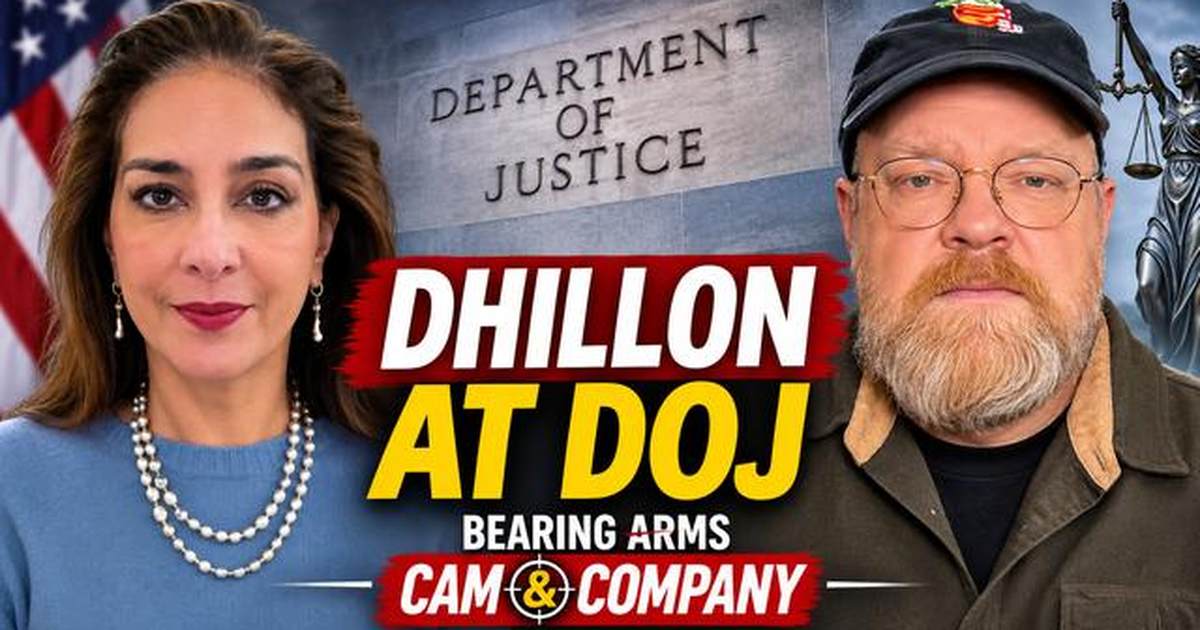
Former Assistant Attorney General Harmeet K. Dhillon has left the Justice Department and returned to private practice. On November 18, 2026, she sat down with Cam Edwards of Cam & Company for a 30-minute interview that covered her time running the DOJ Civil Rights Division and the gun rights work she led there. For gun owners, the headline is simple: a federal civil rights chief treated the Second Amendment as a civil rights issue, not a footnote. That posture changed how Washington enforces gun rights, and the interview is a direct account from the person who made those calls.
Key Details
The interview is a video segment hosted by Cam Edwards and produced by Cam & Company, a Townhall Media program. The published record gives the following facts:
- Name and former title: Harmeet K. Dhillon, former Assistant Attorney General, head of the DOJ Civil Rights Division
- Publication date: November 18, 2026, posted 3:43 PM Eastern
- Running time: 30:21
- Source outlet: Bearing Arms, a Townhall Media publication
- Topics covered: her transition back to private practice, and her work defending the right to keep and bear arms while leading the Civil Rights Division
The source describes her Second Amendment work as historic. The page does not provide a transcript, a list of cases, or a breakdown of specific policy actions, so readers who want case names, filings, or quotes need to watch the full segment at the original Bearing Arms page.
Background
Dhillon is a California civil rights attorney who was confirmed to lead the DOJ Civil Rights Division in 2025. The division handles federal civil rights enforcement, and under the current administration it took on Second Amendment matters as a formal priority. The division created a dedicated Second Amendment effort, and it used federal civil rights authority to challenge local government practices that burden lawful gun owners, including delays in concealed carry permit processing.
The legal backdrop matters. In New York State Rifle & Pistol Association v. Bruen (2022), the Supreme Court struck down New York's discretionary public carry licensing scheme and set a text, history, and tradition test for evaluating gun laws. In United States v. Rahimi (2024), the Court upheld a federal ban on firearms for people subject to domestic violence restraining orders, but it reaffirmed that regulations must be consistent with the nation's historical tradition. Those two decisions define the framework that any DOJ gun rights work has to fit inside. A federal civil rights office has tools that private plaintiffs lack, including the authority to open investigations and file suits in the government's name.
Why It Matters for Gun Owners
If you carry in a state with discretionary permitting, a federal civil rights office that sues over permit delays affects you directly. Bruen made shall-issue the standard that courts expect, and a permit that sits unanswered for months is a practical denial. Federal pressure on those delays gives residents a second channel when a county clerk or sheriff's office stalls. States most affected include California, New York, New Jersey, Maryland, Illinois, and Hawaii, where permitting bottlenecks and discretionary standards have drawn the most litigation.
The practical steps are concrete. Log every permit application with its submission date. Keep written records of every follow-up, including emails and certified mail receipts. Know your state's statutory deadline for processing. If a deadline passes, document the delay before you contact a lawyer or a civil rights group. A clean paper trail gives any federal or private attorney something to act on. Also watch for personnel changes. A new DOJ leadership team can shift which cases get filed and which get dropped, so track the Civil Rights Division's public docket rather than relying on press statements.
DownRange Analysis
The Bruen test is the real measure of whether this kind of federal work lasts. A gun law survives only if the government can point to a historical analogue, and courts have struck down laws that rely on modern policy preferences alone. A DOJ that sues over permit delays and discretionary standards is applying Bruen where it bites hardest, at the point where a right becomes a waiting list. That is a defensible legal position, and it does not depend on which party holds the White House.
The market reads these signals too. When federal enforcement tilts toward gun owners, dealers see steadier demand from first-time carriers who believe the permit process will work for them. Gun owners should not treat any federal office as permanent protection. Build your own record, know your state's deadlines, and keep your carry permit application timeline documented. Then watch the next DOJ filings, not just the interviews.