ATF Reverses Course on Suppressor Repair Parts
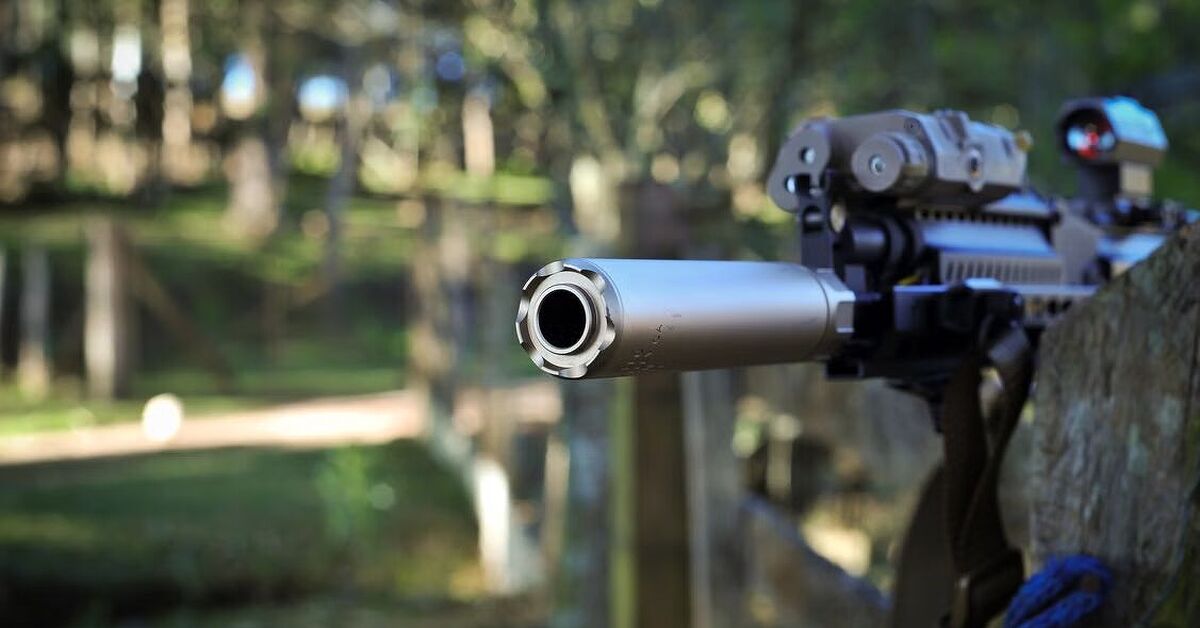
The ATF has modified its suppressor regulation to allow qualified manufacturers to source unregistered, unmarked parts from other qualified manufacturers, install them into a registered suppressor, and return the complete unit to the owner. The change eliminates a prior interpretation that effectively prevented most suppressor repairs by treating any parts swap as a rebuild requiring new registration and a fresh tax stamp.
Key Details
- Qualified manufacturers may now obtain suppressor parts from other qualified makers without triggering registration requirements
- Parts do not need to be marked or registered individually before installation
- Repairs can proceed without the owner surrendering the suppressor for weeks or facing complete unit replacement
- The revision applies to existing registered suppressors only—unregistered parts remain controlled items under NFA law
Why It Matters for Gun Owners
Suppressor owners hit a hard wall under the old guidance: damage to internal baffles, end caps, or springs meant either scrapping the unit or waiting months while a manufacturer sourced every component domestically and registered each piece separately. The revised rule cuts that friction. If your SilencerCo Omega 9K or Dead Air Sandman takes a hit, a manufacturer can now pull tested parts from inventory, rebuild it, and ship it back without NFA paperwork. This matters most in states where suppressors are legal (federal registration still required). The change doesn't legalize unregistered suppressors or lower the $200 tax stamp cost—but it makes the ownership experience less punitive for routine maintenance and accident-related damage.
DownRange Analysis
This revision reflects ATF recognition that repair-as-rebuild was strangling an entire legal market segment. Under the old standard, manufacturers faced liability and regulatory maze-running that made repairs economically unfeasible. The new guidance restores practical ownership. It also demonstrates the agency can course-correct when a rule creates perverse outcomes. The revision doesn't expand the suppressor market—most states still prohibit them—but in legal jurisdictions (33 states currently), this removes a major pain point. Expect suppressor manufacturers to highlight repair-friendly policies in marketing. Gun owners in permissive states should keep proof of registration handy, since any repair will involve the manufacturer's Form 1 or Form 4 paperwork.