Ban Defenders Are Asking SCOTUS to Undermine Heller on AR-15s
Kostas Moros, an attorney with the Second Amendment Foundation, says the case for banning AR-15s before the U.S. Supreme Court rests on historical arguments that fall apart under scrutiny. In a Bearing Arms segment with host Cam Edwards, published October 29, 2026, Moros walked through the strongest claims ban supporters are making and the shaky history behind them. The biggest target is District of Columbia v. Heller, the 2008 decision that recognized an individual right to keep and bear arms. Ban defenders are not just defending specific state statutes. They want the Court to narrow or hollow out the framework Heller built, and that reaches every rifle owner, not only AR-15 owners.
Key Details
The discussion centers on three areas, according to the segment's description:
- Speaker: Kostas Moros, attorney, Second Amendment Foundation
- Host: Cam Edwards, Bearing Arms
- Published: Thursday, October 29, 2026, 1:35 p.m. ET
- Subject: Arguments in favor of "assault weapon" bans as they are presented to the U.S. Supreme Court
- Claims examined: The main arguments ban defenders are advancing, which Moros characterizes as among the most important they make
- Historical arguments: Claims about founding-era history that Moros and Edwards describe as questionable
- Heller: Efforts to weaken or reinterpret the 2008 precedent as a defense of these bans
The segment description does not list a specific case name, docket number, bill numbers, or vote counts. Those details matter. A gun owner trying to track the outcome needs the case caption, the lower-court ruling under review, and the briefing schedule. Check the Supreme Court docket directly and read the SAF amicus filings for the exact questions presented. Treat the podcast as commentary on the briefs, not a substitute for them.
Background
Heller came down 5-4 in June 2008. It struck down the District of Columbia's handgun ban and held that the Second Amendment protects an individual right, not just a militia-linked one. Justice Scalia's majority opinion also said the right is not unlimited, and it pointed to "dangerous and unusual" weapons and the "common use" of arms for lawful purposes as relevant considerations. Ban defenders have built much of their argument on those phrases. Gun-rights attorneys argue that the AR-15 is among the most commonly owned rifles in America, which should settle the common-use question in its favor.
In 2022, New York State Rifle & Pistol Association v. Bruen replaced the old interest-balancing tests with a text-history-and-tradition standard. Under Bruen, the government must show that a modern firearm regulation fits within the nation's historical tradition of firearm regulation. That shift is the reason historical claims now carry so much weight in AR-15 litigation. In June 2025, the Court declined to take up Snope v. Brown, a Maryland AR-15 ban case. Justice Kavanaugh wrote separately that the Court should take up the question of AR-15 bans in the next Term or two. The issue is now before the Court in the form Moros is discussing.
Why It Matters for Gun Owners
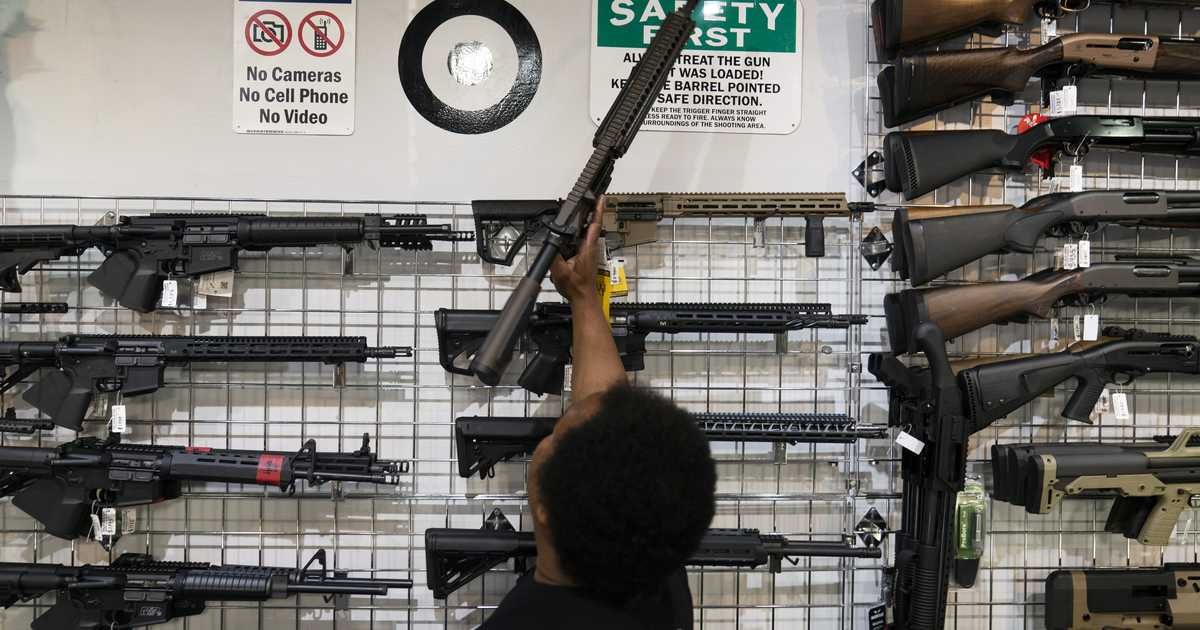
Roughly a dozen states and the District of Columbia have some form of assault weapon restriction. California, New York, New Jersey, Illinois, Maryland, Connecticut, and Massachusetts all ban or restrict the sale of AR-platform rifles in various forms. Owners in those states face the most direct exposure. A Supreme Court ruling that upholds these bans would lock in restrictions that already exist. A ruling that strikes them down would hand gun owners in those states a clear path to relief.
The consequences reach beyond the AR-15. If the Court weakens Heller's common-use language or accepts a narrow reading of "dangerous and unusual," lower courts will apply that reasoning to pistols, shotguns, magazines, and other arms. Watch the question presented in each brief. Watch whether the justices focus on the weapon's features or on its functional use. Those distinctions decide whether a ban covers your rifle, your magazine, or both. Keep your state's current compliance paperwork, receipts, and registration records in order. If you live in a restrictive state, stay in contact with state-level gun rights groups and SAF, which files amicus briefs in these cases.
DownRange Analysis
Does the ban-defender argument survive Bruen? Not easily. Bruen requires historical analogues, and the founding-era record on militia arms, private arms, and common firearms works against a blanket prohibition on a rifle used by millions. Moros is right to focus on the history. The burden sits with the state, and a historical story built on selective quotations will not carry it. The Court will not rule from a podcast, but it will rule from the same historical record the podcast dissects.
Market implications are predictable. Industry estimates put the number of AR-platform rifles in civilian hands above 20 million. Every major Supreme Court Second Amendment decision triggers a buying spike, followed by a price correction when the threat fades or stalls. Do not buy in a panic. Buy when you need the gun, from a dealer who documents the sale properly. Right now, the best move is simple: know your state's law, keep your paperwork clean, and fund the litigation groups that are doing the actual work in court.