NYPD Tells Supreme Court Dense Cities Should Get Less Gun Rights
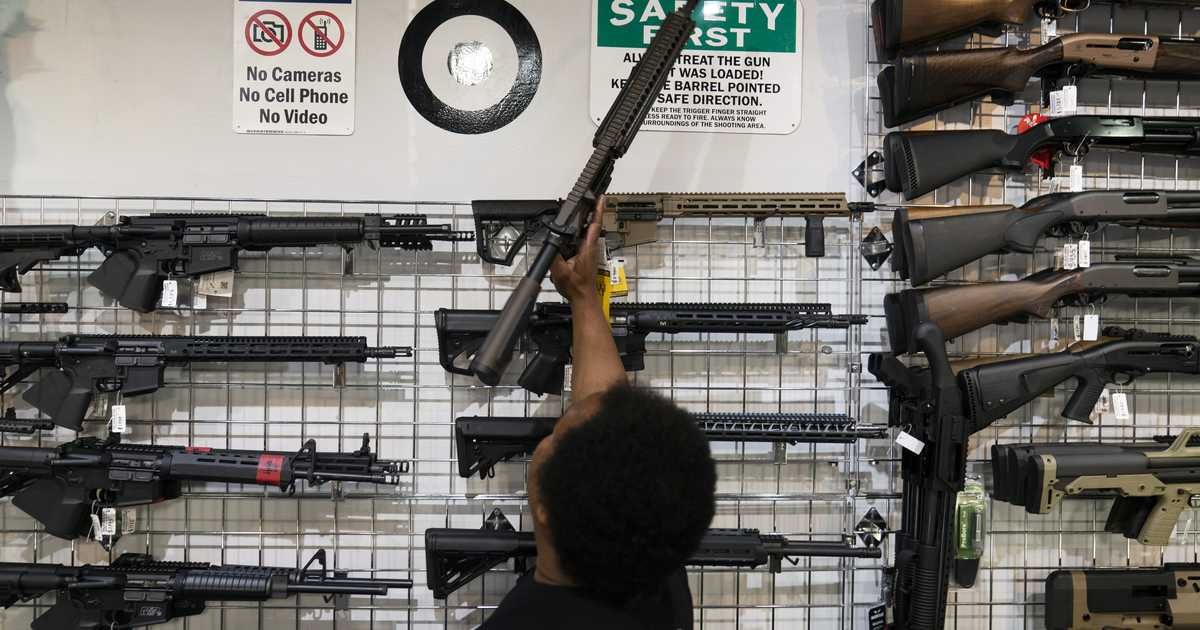
The New York Police Department wants the U.S. Supreme Court to factor New York City's crowded streets and policing workload into any ruling on semiautomatic rifle restrictions. The request, reported by The Truth About Guns, asks the justices to treat urban density as a reason to tolerate tighter limits on modern sporting rifles than would survive in rural states. Gun owners should read this as a direct argument: more people per square mile should mean less constitutional protection. That theory cuts against how the Court has framed Second Amendment review since 2022, and it deserves a hard look from anyone who owns an AR-platform rifle.
Key Details
The core facts are simple. The filing comes from the NYPD, the largest municipal police force in the United States. It goes to the U.S. Supreme Court and targets restrictions on semiautomatic rifles, the category at the center of New York's assault-weapons statute. The NYPD's argument rests on the density of New York City, the volume of people in its streets, and the difficulty of policing them. The report was published October 29, 2026.
- Who: The New York City Police Department
- What: Asks the justices to weigh city density and policing conditions when evaluating semiauto rifle limits
- Court: U.S. Supreme Court
- Subject: Semiautomatic rifles and New York's restrictions on them
- Date: Reported October 29, 2026
The report does not give the full picture. It does not provide the docket number, the exact rule the NYPD wants the Court to preserve, or the full text of the argument. Read the original TTAG piece for those details, and check the Court's docket before drawing conclusions about the case's posture.
Background
In District of Columbia v. Heller (2008), the Court held that the Second Amendment protects an individual right to keep and bear arms, including handguns in the home. Heller also described "dangerous and unusual" weapons as outside protection, which opponents of AR-platform rifles have leaned on ever since. In New York State Rifle & Pistol Association v. Bruen (2022), the Court struck down New York's proper-cause requirement for concealed carry licenses. It also set a new test: the government must show that a modern gun law matches the nation's historical tradition of firearm regulation. The Court rejected the interest-balancing approach that many lower courts had used.
New York's SAFE Act, passed in 2013, restricts semiautomatic rifles with specified military-style features and limits magazine capacity. Lower courts have upheld many of these restrictions, and the Court has repeatedly declined to take up a clean test case on AR-15-style bans. In 2025, Justice Brett Kavanaugh wrote a statement respecting the denial of certiorari in an assault-weapons case from Maryland, saying the Court should address the issue soon. That signal matters. It means the justices know the question is coming, and filings like the NYPD's are part of the groundwork.
Why It Matters for Gun Owners
If the Court accepts the density argument in any form, the effects spread beyond New York City. Residents of the five boroughs already face some of the strictest rifle rules in the country, and they would see the ruling first. But the logic does not stop at city limits. Chicago, Newark, Boston, and Los Angeles all have dense populations and police departments that would make the same case. Any rule that lets a jurisdiction shrink rights based on population could migrate to suburbs, counties, and states that want to follow suit.
Owners in New York should keep purchase records, confirm that every rifle they own complies with state law, and understand transport rules before traveling with a firearm. Owners in other states should watch for copycat briefs in their own circuits. Watch the docket for cert grants, the names on the amicus lists, and whether the Court addresses the Bruen test directly or sidesteps it. Those details will tell you where the case is headed long before a decision comes down.
DownRange Analysis
The NYPD's argument fails under Bruen. Density is not a historical analog. The founders did not condition the right to keep and bear arms on how many neighbors you had, and Bruen forbids judges from weighing public-safety benefits against individual rights. A rule that says "more people means fewer rights" is interest balancing with a new label. The Court already rejected that method once. Expect the justices to notice.
The market reaction will be practical, not dramatic. Manufacturers will keep building compliant versions of popular rifles for New York buyers, and prices on those models will stay elevated while the case plays out. Do not panic buy. Do not sell off lawful rifles on rumor. What you should do right now is verify that your firearms and accessories match your state's law, keep your paperwork organized, and follow the docket. A bad ruling is possible. Preparation beats outrage.