House Bill Cuts Federal Funding for Gun Owner Surveillance Cameras
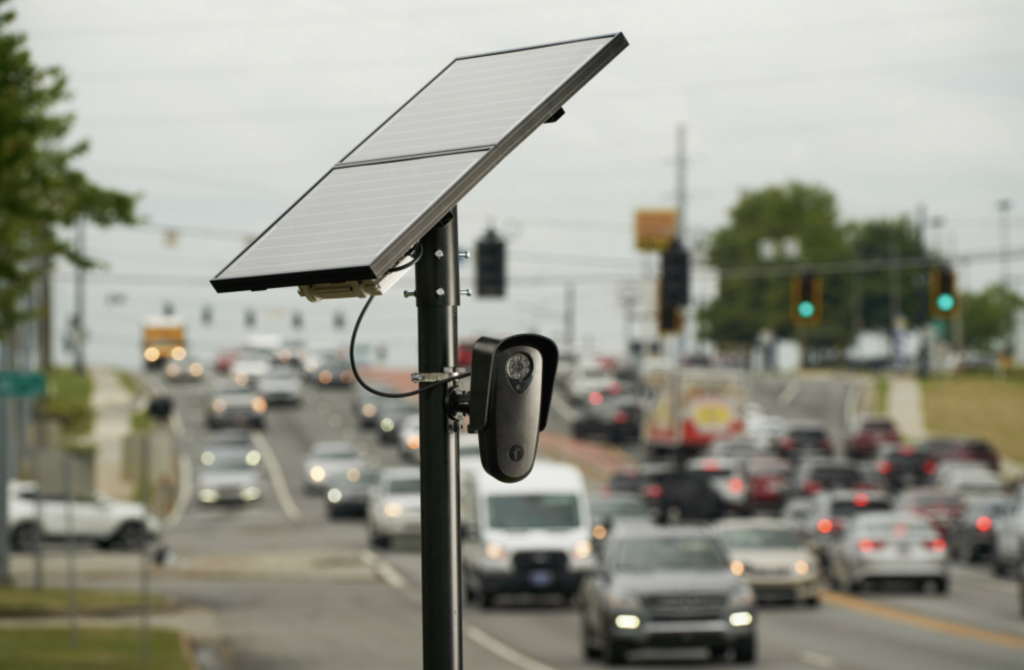
A House bill introduced this week would eliminate federal funding for Flock cameras, facial recognition technology, and biometric surveillance systems. The legislation directly blocks government money flowing to surveillance infrastructure that has been used to monitor lawful gun owners and Second Amendment advocates at ranges, gun shows, and rallies.
Key Details
- The bill prohibits federal appropriations for Flock cameras—automatic license plate reader systems deployed in thousands of U.S. jurisdictions.
- Facial recognition and biometric data collection tied to federal funding sources would be defunded under the measure.
- The bill applies nationwide, affecting all jurisdictions receiving federal surveillance grants.
Why It Matters for Gun Owners
Law enforcement and private security have increasingly used Flock cameras and facial recognition at ranges, gun shows, and Second Amendment events to build databases of attendees. Gun owners have no practical way to opt out—these systems operate without individual consent. Defunding federal contributions cuts the infrastructure advantage that made mass surveillance deployment economically attractive to cash-strapped police departments. This bill directly impacts your ability to participate in lawful gun activities without federal tracking. Any gun owner who attends shoots, matches, or events in jurisdictions reliant on federal grants should monitor this legislation's progress.
DownRange Analysis
This bill takes a direct Constitutional approach: defund the mechanism rather than litigate its legality. Unlike Bruen challenges that fight individual surveillance practices, cutting federal dollars removes the economic substrate. States and cities already facing budget constraints will think twice before funding Flock systems entirely from local budgets. The real test comes if the bill passes—enforcement depends on audit scrutiny of agency spending. Gun owners should track co-sponsors and push representatives to support it. This is one of the few legislative tools that actually restricts mass surveillance without waiting for courts.