1 in 4 Cannabis Users Say Hemani Makes Them Likelier to Buy
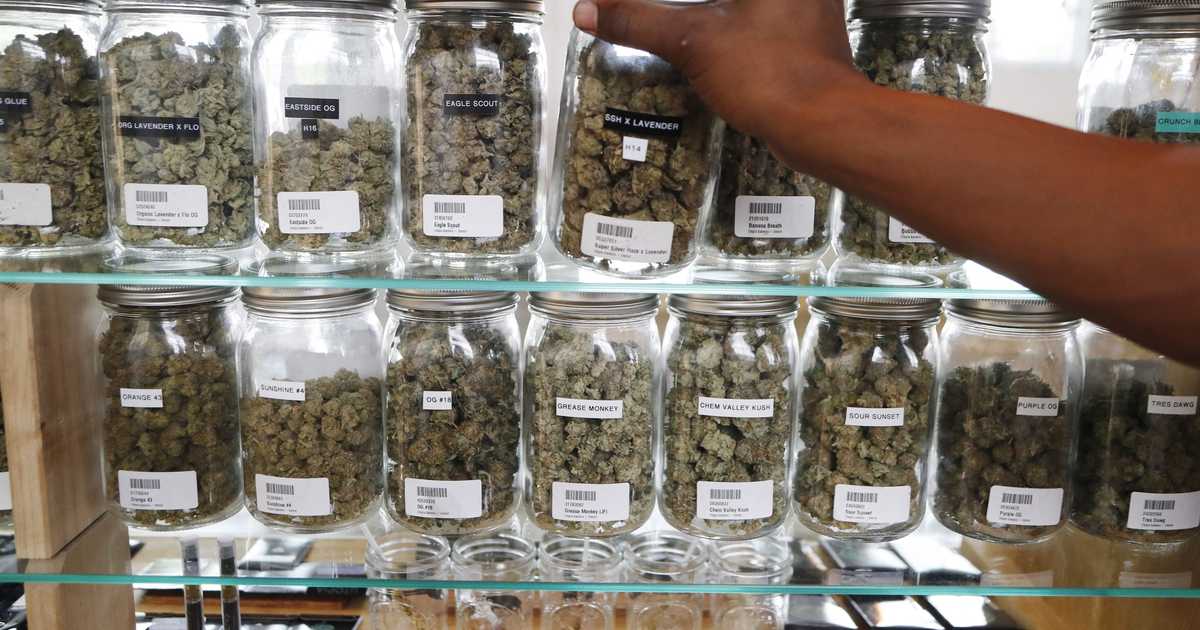
One in four cannabis consumers says the Supreme Court's decision in United States v. Hemani makes them more likely to buy a firearm. That figure comes from a poll run by NuggMD, a cannabis-focused company, and was first reported by Marijuana Moment. Every respondent uses cannabis. Twenty-six percent said the ruling pushes them toward a gun purchase. That number matters because federal law has treated many of these people as prohibited for years. The poll also broke down sharply along party lines, and that split tells us more about who is responding to the ruling than the topline number does.
Key Details
The survey sample was limited to cannabis consumers, which means it measures interest inside that group, not among gun owners or the general public. The headline result and the party breakdown are the most useful pieces for gun owners to track.
- Overall result: 26 percent of cannabis consumers say Hemani makes them more likely to purchase a firearm.
- Republicans: About 41 percent say the decision has affected their interest in buying a gun.
- Democrats: 26 percent say the same.
- Ruling at issue: United States v. Hemani, decided earlier in 2026, which addresses Section 922(g)(3) of federal law.
- Source of the poll: NuggMD, reported by Marijuana Moment.
NuggMD content director Tyler Elson said the company hears from patients who ask whether a medical cannabis card will cost them their gun rights. He framed the poll result as evidence of how many people the federal restriction had been holding back. He also said the bigger win is that gun owners no longer have to choose between their Second Amendment rights and their medical needs.
The raw poll numbers leave a gap. Republicans scored well above the overall average, yet the total stayed at 26 percent. That only works if Republicans made up a small share of respondents or if independents answered far less favorably. The published details do not show the party breakdown of the sample, so the math cannot be checked.
Background
Section 922(g)(3) bars unlawful users of controlled substances from possessing firearms. Congress wrote it into the Gun Control Act of 1968. For decades, federal prosecutors and the ATF have applied it to people who use marijuana, even where state law allows that use. The statute does not require proof of impairment at the time of possession.
In Hemani, the Supreme Court rejected the idea that regular marijuana use alone justifies automatic disarmament. The Court left open several questions. Those include addiction, current intoxication, and whether individualized evidence shows a person poses a danger. Those carve-outs matter because they keep the government's power to disarm people who are impaired or dangerous, while removing the blanket status-based bar for ordinary users.
The ATF's Form 4473, the federal background form every buyer signs, still presents marijuana use as a disqualifying condition. It does not reflect the limits the Court placed on that category. The ATF has proposed revised language for the form, but the changes have not taken effect. Separately, state laws on cannabis and firearms vary. Hemani addressed only the federal statute, so it does not automatically strike down state restrictions.
Why It Matters for Gun Owners
If you use cannabis, your federal status changed in form but not yet in paperwork. The Court removed the automatic federal bar, but the form you sign at the counter still lists marijuana use. Before you buy, understand exactly what the question asks and how you plan to answer it. Lying on a Form 4473 is a federal felony under 18 U.S.C. § 924(a)(1)(A). No Supreme Court ruling protects a false answer.
Medical cannabis patients and daily consumers face the most uncertainty. State restrictions may still bar possession even when federal law no longer does. Check your state's firearm statutes before you buy, and check them again after any state legislative session. Dealers and FFLs may also ask questions the ATF form does not, and they may refuse a sale they consider risky.
Anyone who uses cannabis should also take the Court's other carve-outs seriously. Intoxication at the time of possession and evidence of addiction remain open grounds for disarmament. Keep your use separate from your carry and storage habits. Do not carry while impaired. Do not handle firearms after using.
DownRange Analysis
The Court's reasoning in Hemani lines up with the framework it set in New York State Rifle & Pistol Association v. Bruen in 2022. Under Bruen, the government must show that a firearm restriction matches the nation's historical tradition of firearm regulation. A blanket ban on a status that does not, by itself, show dangerousness is hard to square with that test. The Court seems to recognize that. The carve-outs for intoxication and dangerousness give the government a narrower tool that fits history better.
The poll matters for the market. Quarter of cannabis consumers reporting higher interest is a signal that dealers and manufacturers should watch. Demand does not depend on Republicans alone. Still, a survey of cannabis users is not a sales forecast. It shows intent, not purchases.
What should a gun owner do right now? Read Form 4473 slowly and answer it truthfully. Learn your state's rules on cannabis and firearms. Ask a lawyer who handles firearm cases if your situation is complicated. Watch for the ATF's final form revision. Until that revision lands, the paperwork still reflects the old rule, and the ruling protects you only as far as the courts and the agency follow through.