Supreme Court Will Hear Two Assault-Weapons Bans on December 2
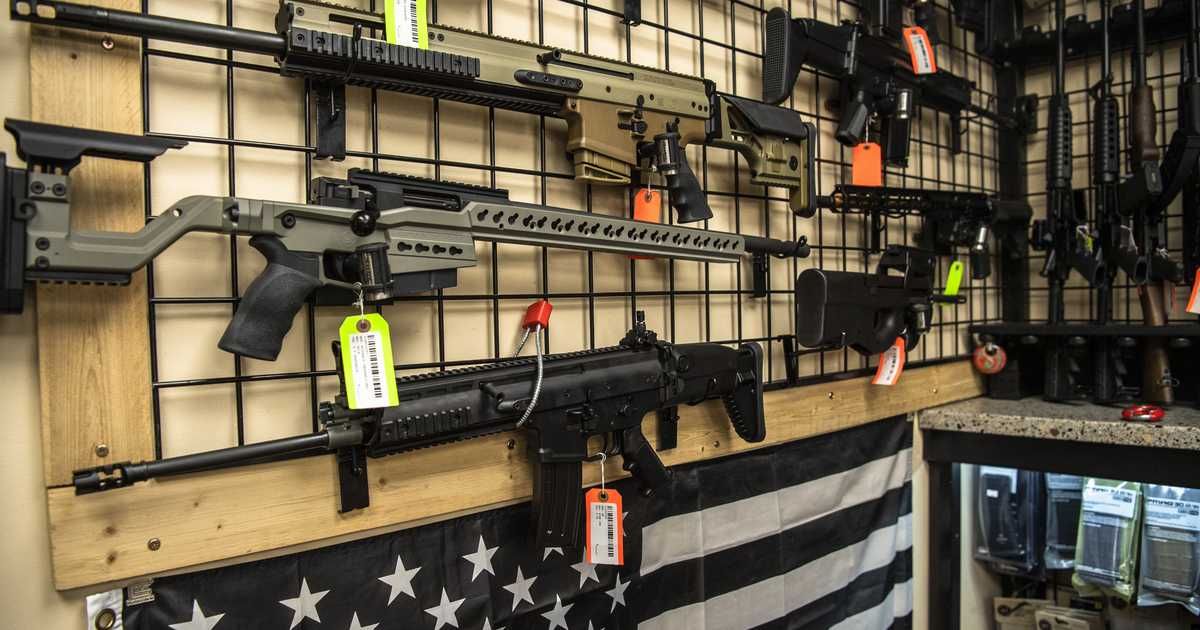
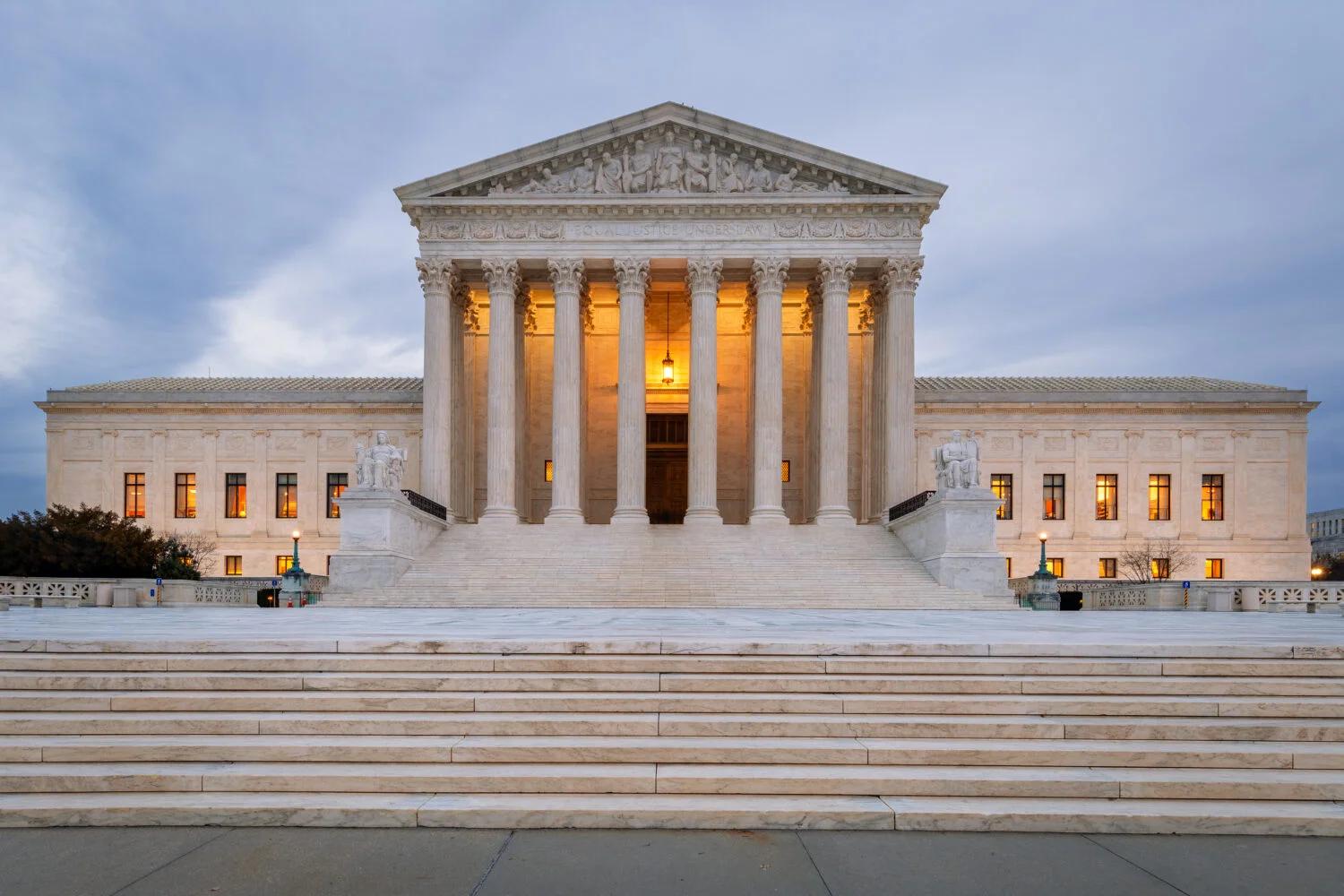
The Supreme Court granted review in Viramontes and Grant, two pending challenges to assault-weapons bans, and will hear oral argument on the morning of December 2, 2026. The Court issued no orders on October 26, so the grant sits at the center of this week's docket news. Gun owners in states with these bans now have a date. The Justices will decide whether these laws survive Second Amendment review, and that answer will shape every similar statute still on the books.
Key Details
The October 26 report covers more than the two grants. The Court's calendar and the petition pipeline show where the justices are heading.
- Cert granted: Viramontes and Grant, both assault-weapons ban cases.
- Oral argument: Morning of December 2, 2026.
- Next orders list: Monday, November 2.
- Next conference: Friday, November 6.
- New petitions (past week): 10 total. Five challenge 18 U.S.C. § 922(g)(1), the felon-in-possession ban, on Second Amendment grounds. Three raise Commerce Clause challenges to state and federal laws. One targets the federal ban on possession by fugitives. One targets the federal ban for people under domestic violence restraining orders.
- November 6 conference: 24 firearms cases. Seventeen challenge § 922(g)(1) or a state equivalent. Others include a challenge to § 922(n), the ban on receiving firearms while under indictment, and a challenge to New York's licensing regime.
- Noncitizen case: A Maine petitioner, an undocumented Mexican citizen who has lived in Maine for over a decade, was found with a firearm and ammunition during a speeding stop. He challenges § 922(g)(5)(A).
- Washington case: The petition asks whether Washington's total firearm ban after a second DUI misdemeanor within seven years violates the Second Amendment.
- Procedural case: One petition asks whether courts may dismiss Second Amendment claims without requiring the government to rebut the presumption of unconstitutionality under Bruen's framework.
Background
New York State Rifle & Pistol Association v. Bruen (2022) replaced the old means-end balancing test with a two-step framework. Courts ask whether the Second Amendment's plain text covers the conduct. If it does, the government must show the regulation fits the nation's historical tradition of firearm regulation. United States v. Rahimi (2024) upheld the domestic violence restraining order ban in § 922(g)(8), and the Court framed its analysis around principles rather than exact historical twins. Lower courts since then have split on whether § 922(g)(1) survives as applied to people with nonviolent prior convictions. Justice Kavanaugh wrote in Snope v. Brown (2025) that the Court should take up the AR-15 question within a term or two. Viramontes and Grant now give him that chance. The felon-ban cases in the November 6 pile show the justices have a backlog of questions to choose from.
Why It Matters for Gun Owners
Anyone living under an assault-weapons ban should watch the December 2 argument closely. Owners of covered rifles, magazines, and features face a legal fight that will set the rules for years. Until the Court rules, enforcement continues under current state law. Do not assume a pending case protects you.
Felony and misdemeanor-record owners face the biggest near-term change. Five new § 922(g)(1) petitions joined an already crowded pipeline. Many of those cases involve nonviolent offenses such as drug distribution and fraud, the same fact patterns that drive as-applied arguments. If you have a record and want your rights back, the federal rights-restoration process under 18 U.S.C. § 925(c) still applies. Check your state's restoration rules too, because they vary widely.
Watch states with active DUI and misdemeanor firearm restrictions, such as Washington. Keep certified court dispositions and restoration paperwork in a safe place. A clean document trail beats a memory of what the judge said.
DownRange Analysis
The grant matters more than the date. The Court chose cases that test whether a category of common rifles falls within the Second Amendment's plain text. Under Bruen, that threshold question decides whether the government must justify the ban at all. Expect the state to argue historical analogues for arms regulation, and expect the challengers to argue that the Court's own precedent on common arms controls the outcome. The Court's handling of § 922(g)(1) will likely follow the same logic, so a ruling on one may shape the other.
Market effects will follow the headlines. Dealers in covered platforms often see demand spikes when a challenge advances, and then flat sales when courts stall. Do not make panic purchases based on a grant. Buy what you need, store it legally, and confirm your state's current rules before you transport anything across a state line. Your next step is simple: verify your compliance today, keep your records clean, and wait for the December ruling.