Auchincloss's Question 9 Ad Misstates Federal Law and Massachusetts History
Rep. Jake Auchincloss, a Democrat, cut an ad backing a Yes vote on Question 9 that claims voters must act to keep assault weapons off the streets. The ad includes a claim about firearms shipped directly to homes that a community note on X flagged as false. Massachusetts voters decide Question 9 on Election Day, November 3, 2026. A No vote would repeal Chapter 135, the 2024 gun control law that added new restrictions to a regime already on the books.
Key Details
The ad's central claim does not survive a check of federal law. The community note cited 18 U.S.C. § 922, which already makes it a federal felony to ship a firearm, including a stripped lower receiver, to a private residence in the way the ad describes. That prohibition has stood for nearly 60 years, so repealing Chapter 135 changes nothing about it.
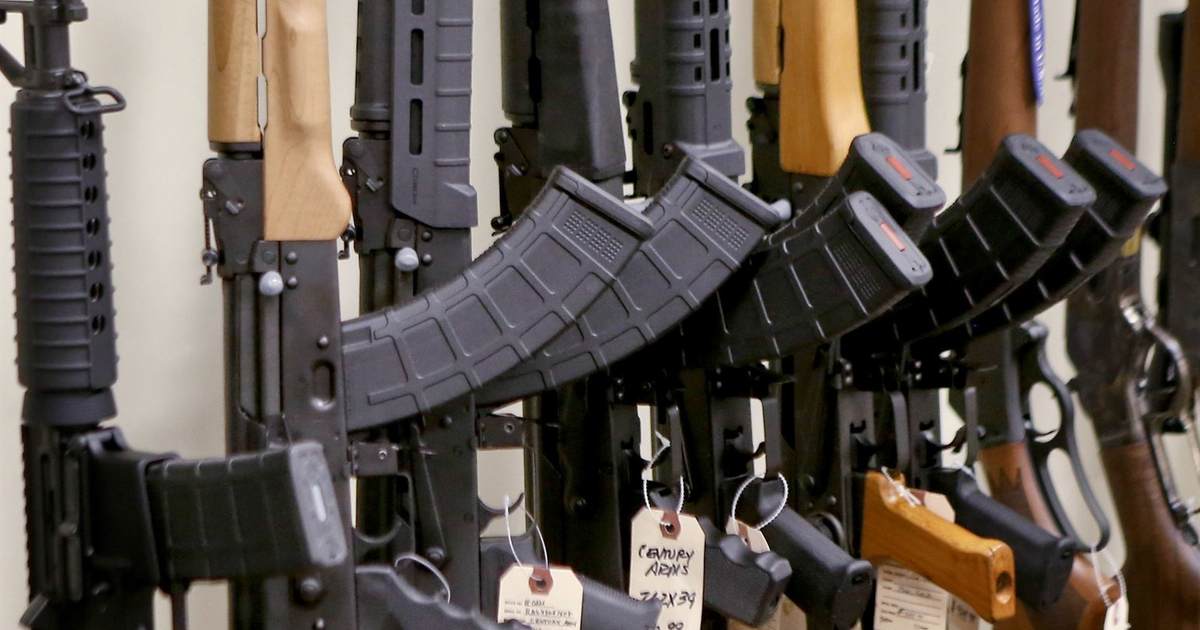
The ad also implies that repeal would clear the way for assault weapons. It would not. Massachusetts has banned so-called assault weapons since 1998, and that ban would remain in force after a No vote.
Supporters of Yes on 9 are working hard to keep the law in place. Key backers include:
- The state's largest teachers union, which has spent more than $500,000 on the Yes On 9 campaign.
- Gov. Maura Healey, who has campaigned against repeal.
- Rep. Jake Auchincloss, who joined the campaign with the disputed ad.
Chapter 135 broadened the state's assault-style firearm definition to cover additional semiautomatic rifles, shotguns, and pistols. It also added new licensing and training requirements and limits on where lawful residents may carry for self-defense. Those are the provisions repeal would eliminate. The No On 9 campaign is led by The Civil Rights Coalition.
Background
Massachusetts already had one of the most restrictive gun control frameworks in the country before 2024. The 1998 assault weapons ban sits at the center of that framework, and it predates Chapter 135 by more than two decades. When Gov. Healey signed Chapter 135 in 2024, the law widened the state's ban to reach a larger class of semiautomatic firearms and layered on new permitting and training mandates. Opponents responded by gathering signatures to place a repeal question before voters, which produced Question 9.
The federal framework has its own history. The Gun Control Act of 1968 restricted interstate firearm transfers and mail-order sales to individuals, and the federal courts have enforced those limits for decades. Any ad that describes shipping a gun directly to a home without going through a licensed dealer is describing conduct that federal law already prohibits. The state law debate does not change that baseline.
Why It Matters for Gun Owners
Massachusetts residents who own legal firearms face the direct consequences of this vote. A Yes vote keeps Chapter 135's expanded ban on commonly owned semiautomatic guns in force. It also keeps the new licensing, training, and carry restrictions that the law created. Owners of rifles, shotguns, and pistols that the expanded definition now covers would stay under those rules. A No vote removes the Chapter 135 additions and returns the state to the pre-2024 framework, which still includes the 1998 ban.
Gun owners outside Massachusetts should watch this race for a different reason. Campaign ads that misstate existing law are becoming a tactic in gun control fights, and they work best when voters never check the claim. Read the bill text and the statute the ad cites. If a campaign says a federal crime is a new state policy, that gap tells you what the campaign expects voters to miss. Check your state's legislative calendar for similar ballot measures and pre-election advertising.
DownRange Analysis
The ad fails on its own terms. A Yes vote does not stop a federal felony that already exists, and a No vote does not revive a ban that never went away. The actual fight is over Chapter 135's additions, and those additions face a serious constitutional test under New York State Rifle & Pistol Association v. Bruen (2022). Bruen requires the state to show that its restrictions fit the nation's historical tradition of firearm regulation. Blanket bans on common semiautomatic firearms and carry limits on ordinary citizens face a steep climb under that standard. Supporters have had more than two years to make that historical case, and the campaign's reliance on misleading claims suggests the record is thin.
For Massachusetts owners, the practical steps are simple. Register your firearms and document your licenses and training. Keep receipts for any guns you bought under the pre-2024 rules. Know your state's transport and storage requirements before you travel. Vote, and share the statute text with anyone who asks what the ad is really saying.