Would-Be ICE Shooter Jailed After Mississippi Gun Store Calls ATF
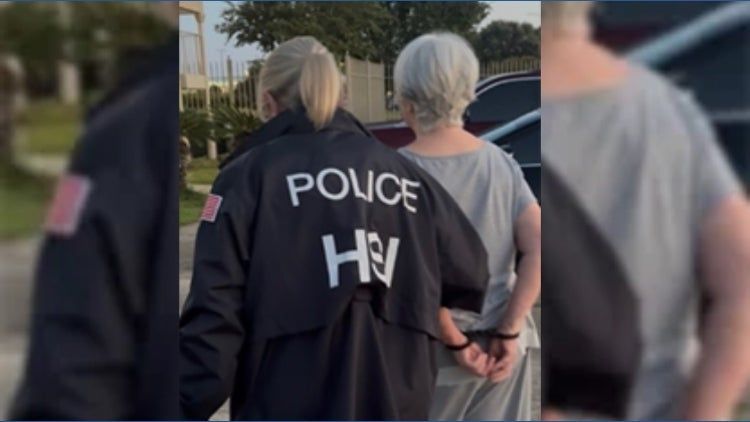
A Florida-licensed attorney now living in Mississippi sits in federal custody without bond. Lisa C. White walked into a Mississippi gun store to buy a pistol and told employees she wanted it to kill Immigration and Customs Enforcement agents. The store refused the sale and called ATF. Homeland Security Investigations made the arrest and announced it on October 21, 2026. The Sun Herald broke the story, and Fox News picked it up. The charge is threatening federal officers. White's own words, not her residency status, ended the transaction.
Key Details
The criminal complaint lays out a short timeline with a clear motive. Here are the specifics that matter:
- Defendant: Lisa C. White, a Florida-licensed attorney living in Mississippi.
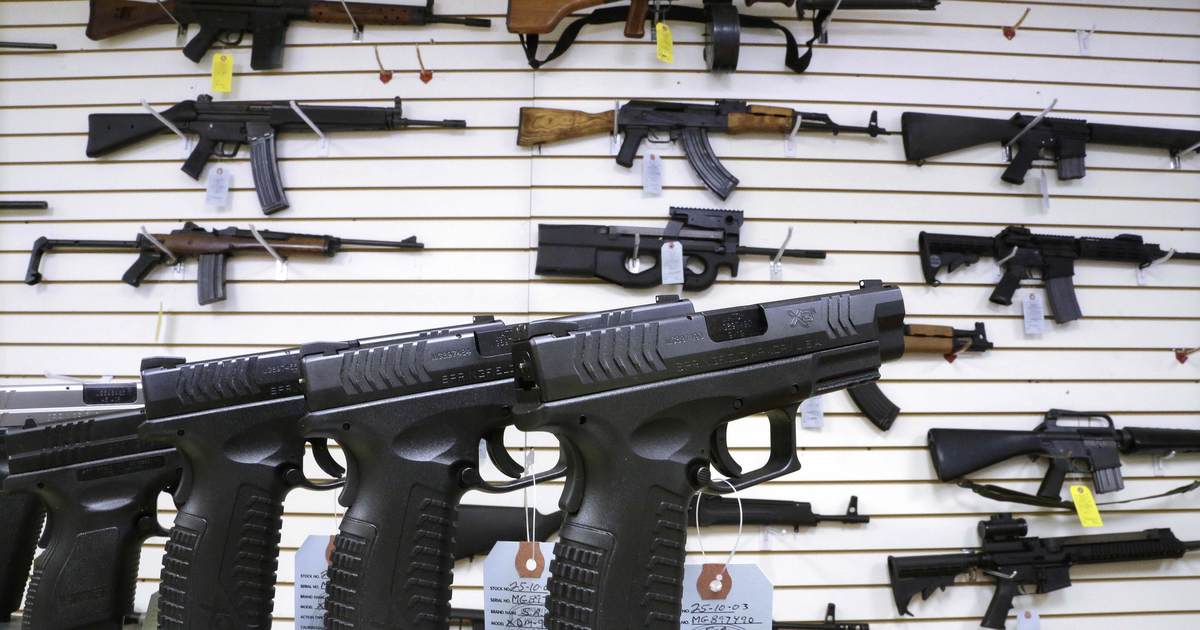
- Location: A gun store in Mississippi, where she shopped for a handgun.
- Stated target: Immigration and Customs Enforcement agents, whom she described as becoming crazy and wild.
- Self-description: She identified herself as a protester and activist and said she needed the gun for protection at protests.
- Body armor question: She gestured at her midsection and asked whether the guns offered would penetrate an agent's armor.
- Alleged follow-up: When employees said the guns might not reliably penetrate current issued armor, she reportedly said she would have to strike an agent in the head, shoulder, arm, or leg.
- Dealer action: The employees declined the sale and contacted ATF.
- Arrest: Homeland Security Investigations, announced October 21, 2026. HSI's official account said threats against federal law enforcement will not be tolerated.
- Custody: Jailed without bond on a federal charge of threatening federal officers.
Nothing in the complaint suggests she completed a purchase or took possession of a firearm. The sale never happened. The threat did. Prosecutors will have to prove the words, and the store's staff are the witnesses who heard them firsthand.
Background
Federal law controls who can sell a gun to whom across state lines, and the rules are stricter for handguns. The governing statute is 18 U.S.C. § 922. Subsection (b)(3) bars a federally licensed dealer from selling to an out-of-state resident unless both states' laws permit the transfer or the gun is loaned temporarily for sporting use. Subsections (a)(3) and (a)(5) restrict unlicensed individuals from transferring firearms across state lines, with narrow exceptions.
Long guns get a carve-out. The Gun Control Act of 1968 permits over-the-counter long-gun sales to out-of-state buyers when both the seller's state and the buyer's home state allow it. Handguns do not get that path. In this case, White lived in Mississippi and shopped in Mississippi, so residency was not the obstacle.
ATF publishes ATF P 5300.5, a state-by-state compilation of firearms requirements for licensees. The agency tells dealers to read their state statutes closely and to contact state police, local law enforcement, or the State Attorney General when a question is close. The National Association of Attorneys General maintains a directory of state AG offices. Dealers carry the compliance burden, and the regulatory framework is built around their judgment at the counter.
Why It Matters for Gun Owners
Most gun owners will never face a federal threat charge. They will face the counter, and this case shows how dealers and ATF handle a buyer who says something dangerous. Lawful buyers should understand three things.
First, residency rules still apply on every handgun purchase. If you move or travel, your home state's law travels with you. A Texan buying a pistol in another state, or a Florida resident buying a handgun in Mississippi, has to clear federal and state requirements before the dealer can complete the transfer. Dealers will not bend those rules for a customer, and they should not.
Second, what you say at the counter is evidence. Form 4473 asks questions you must answer truthfully, and knowingly lying on it is a federal crime under 18 U.S.C. § 922(a)(6). Joking about shooting someone gets you refused at best. Stating an intent to attack officers gets you a phone call to ATF and possibly a federal complaint.
Third, dealers are not obligated to sell to everyone with a clean NICS check. They can refuse a sale for reasons they reasonably believe are dangerous. If you want to know what applies to your purchase in another state, ask the dealer, and check your state AG's site before you drive.
DownRange Analysis
Does this survive Bruen scrutiny? Bruen governs what the government can restrict. It does not require a store to hand a pistol to someone who says he or she wants to shoot federal officers. Refusing that sale does not impose a gun ban, and no reasonable reading of the Second Amendment forces a dealer to close a sale with a threatening buyer. Dealer discretion in that moment is not the problem Bruen was written to solve.
The market impact is nil. Lawful buyers will not see new paperwork or longer waits from this case. Dealers already have discretion. This arrest simply confirms that a counter employee who hears a threat and calls the feds is doing the job the system depends on.
What should a gun owner do right now? Check residency rules before any handgun purchase out of state. Treat every statement at the counter as recorded, because it is. If you ever hear a buyer make a threat, report it to ATF through its tip line. And if you run an FFL, verify state requirements with your AG's office before you close a close call.