Cecil Burch Makes the Case: Shooters Need Jiu-Jitsu, Fighters Need Guns
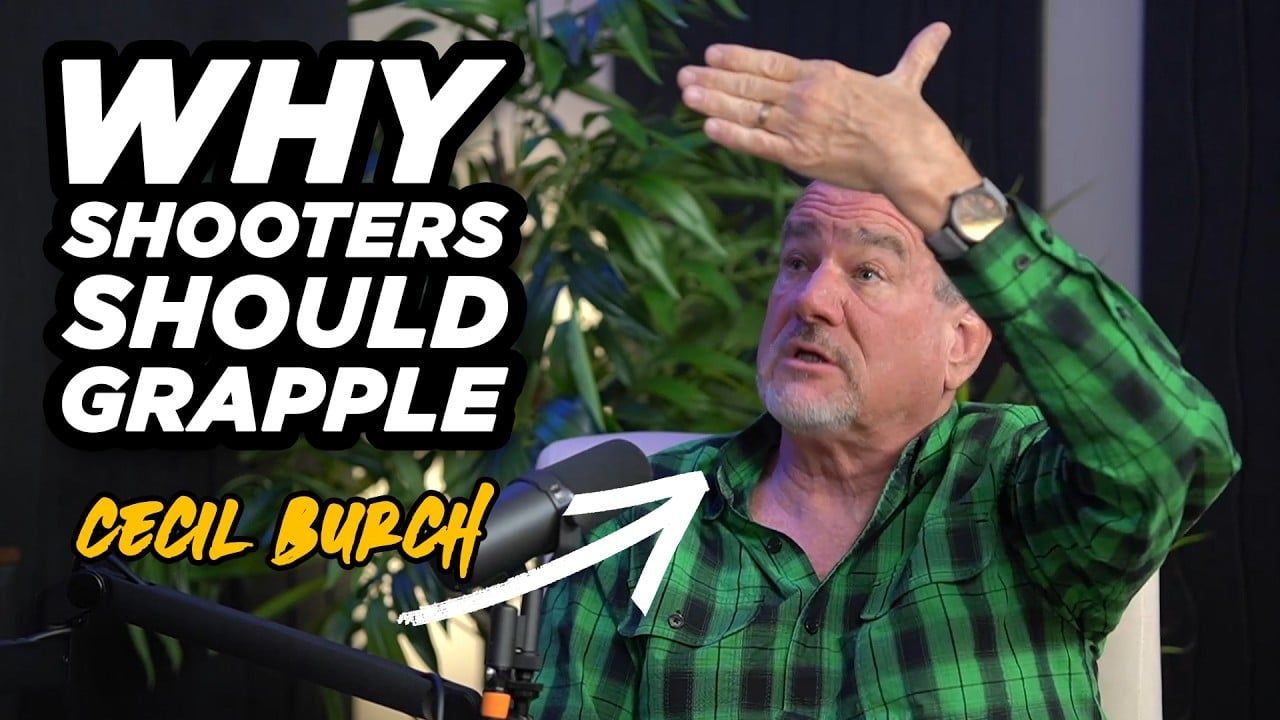
Cecil Burch, a third-degree Brazilian jiu-jitsu black belt, joined Tom Marshall on the RECOIL Podcast to argue that the gun world and the grappling world have been ignoring each other for too long. Burch founded Immediate Action Combatives and works with the ShivWorks Collective, both focused on practical defensive skills. His core position: a fight that goes to the ground is still a fight you need to win, and a grappler who never considers a firearm is training for only part of the problem.
Key Details
Burch holds a third-degree black belt in Brazilian jiu-jitsu, a rank earned through years of live sparring rather than seminar attendance. He leads Immediate Action Combatives, a training outfit built around getting students functional under stress. His ShivWorks Collective affiliation places him among instructors who emphasize realistic, scenario-based defense. The episode frames the discussion around two groups: shooters who rarely practice the ground, and grapplers who rarely consider the gun.
Why It Matters for Gun Owners
If you carry, the ground is where many real-world encounters end up. A grab, a takedown, or a clinch can pin you against a wall or a car with a gun on your hip, and a holster that works fine standing can become a liability once you're on your back. Carriers should ask whether they can access, present, and retain their firearm from a compromised position, and whether a retention-focused holster and draw actually hold up under contact. Competitors and range-focused shooters face a narrower but real version of the same question: their skills rarely include reacting to someone already on top of them. Collectors who keep a home-defense gun face it too. A shotgun or pistol in a bedroom closet does nothing if the fight starts on the floor.
DownRange Analysis
The argument is sound, and it sidesteps the usual tribal fight between the gun crowd and the mat crowd. Neither discipline solves the whole problem. A gun ends a threat at distance, while grappling controls a threat at arm's length, and most people train only one. Gun owners should treat ground-contact training as a basic competency rather than an advanced elective. Start with a qualified instructor, prioritize drills that keep your firearm retained while moving, and test your holster from seated and prone positions on a safe range. Burch's point is worth taking seriously: the fight you train for is rarely the fight you get.