Tenth Circuit's Win Against Waiting Periods Reaches Supreme Court
The Tenth Circuit Court of Appeals just handed Second Amendment advocates a significant victory, ruling that New Mexico's 7-day gun transfer waiting period violates the Second Amendment. That same precedent is now driving a federal judge in Colorado to hear oral arguments on Colorado's 3-day waiting period. A cert petition filed this week asks the Supreme Court to take the case, setting up a potential nationwide test of waiting period laws.
Key Details
- Tenth Circuit precedent: The appeals court determined New Mexico's 7-day waiting period cannot survive Second Amendment scrutiny, opening the door for challenges across the circuit's jurisdiction (Colorado, Kansas, New Mexico, Oklahoma, Utah, Wyoming).
- Colorado case: A federal judge heard oral arguments this week challenging Colorado's 3-day waiting period, with plaintiffs citing the Tenth Circuit's New Mexico ruling as controlling authority.
- SCOTUS petition filed: A new cert petition brought the waiting period question directly to the Supreme Court, seeking review of whether such delays pass constitutional muster under existing precedent.
Why It Matters for Gun Owners
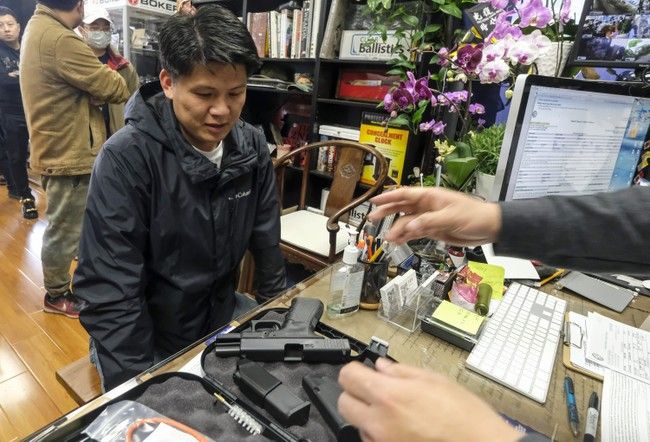
Waiting periods affect every gun owner who values immediate self-defense access. Colorado residents face a 3-day delay on all transfers; New Mexico imposed a 7-day hold. If the Tenth Circuit's logic holds, similar laws in California, Illinois, and other states face immediate legal jeopardy. The Bruen framework—which requires historical tradition as justification—has been hostile to waiting periods because they didn't exist as common practice in 1791 or 1868. A SCOTUS decision could eliminate waiting periods nationwide or cement them as constitutional, depending on how the Court reads history. Gun owners in circuit jurisdictions should monitor Colorado's federal court outcome; a loss by the state strengthens arguments in pending cases across the West.
DownRange Analysis
The Tenth Circuit's New Mexico ruling reflects post-Bruen reality: waiting periods lack historical foundation and survive only through weak public-safety assertions courts now reject. Colorado's 3-day law faces similar pressure. If SCOTUS takes the case and affirms the Tenth Circuit, expect dominoes to fall in states with mandatory delays. New York, California, and Illinois should prepare for litigation. The strategic question: will Colorado's state attorneys argue this case to SCOTUS, or concede and let the federal judge rule first? A quick Colorado loss might reach SCOTUS faster than expected, making this a 2027 docket possibility.