Gun-Tracing Data Is Being Misused, and Pawn Shops Are the Target
Tracing data from the ATF is being pulled out of context and used to make ordinary firearm sales look like a crime pattern. The argument centers on a simple point: a gun showing up in a trace report tells you where a gun went, not who broke the law with it. Pawn shops and independent dealers in high-traffic retail corridors sit at the front of that problem, because they handle a large volume of used and trade-in firearms and are often the first retail stop for people buying their first gun.
Key Details
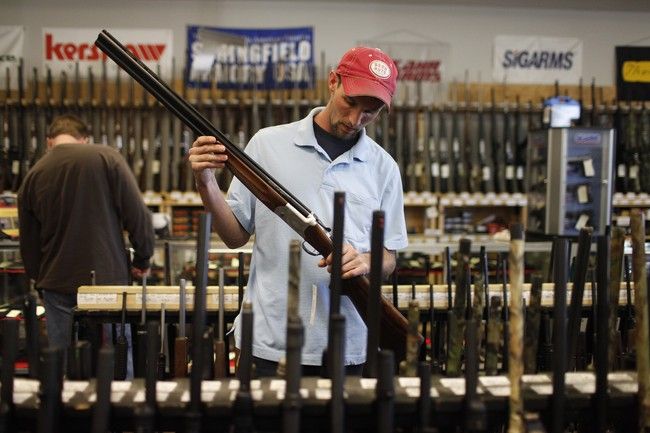
The core complaint is about how trace numbers get framed. A firearm is "traced" when law enforcement asks the ATF where it was first sold at retail. That is a starting point for an investigation, not a finding of wrongdoing. Yet trace totals often get published as if every recovered gun reflects a dealer or a buyer doing something wrong. The writer points to a small pawn shop on a main road in a central retail district as a typical case: a store that moves a lot of inventory simply because of where it sits, which means its name appears in trace data at rates that say more about foot traffic than misconduct.
Why It Matters for Gun Owners
If you buy used, trade, or shop at a neighborhood pawn counter, you are the person this data gets applied to. Store owners who see their traces treated as red flags face pressure to slow sales, ask more intrusive questions, or stop taking certain transactions altogether. That tightening lands on the buyer first. Someone building a first carry gun on a budget, or a competitor looking for a cheap used pistol, is the one who loses access when a shop decides the paperwork risk isn't worth it. Watch your local dealers' policies over the next year. Changes will show up at the counter before they show up in any statute.
DownRange Analysis
Trace data was never designed to measure dealer compliance, and using it that way invites bad policy. Under Bruen, the government has to justify firearm regulation by pointing to historical tradition, and a raw count of traced guns does not meet that test on its own. A tracing statistic that cannot separate lawful resale from illegal diversion is weak evidence for restricting lawful commerce. Gun owners should document their own transactions, keep clean records, and support dealers who run compliant shops. The fight over how tracing numbers get read will shape which counters stay open.