ATF Stops Enforcing Key NFA Rules, Ending Felony Exposure for Many Owners
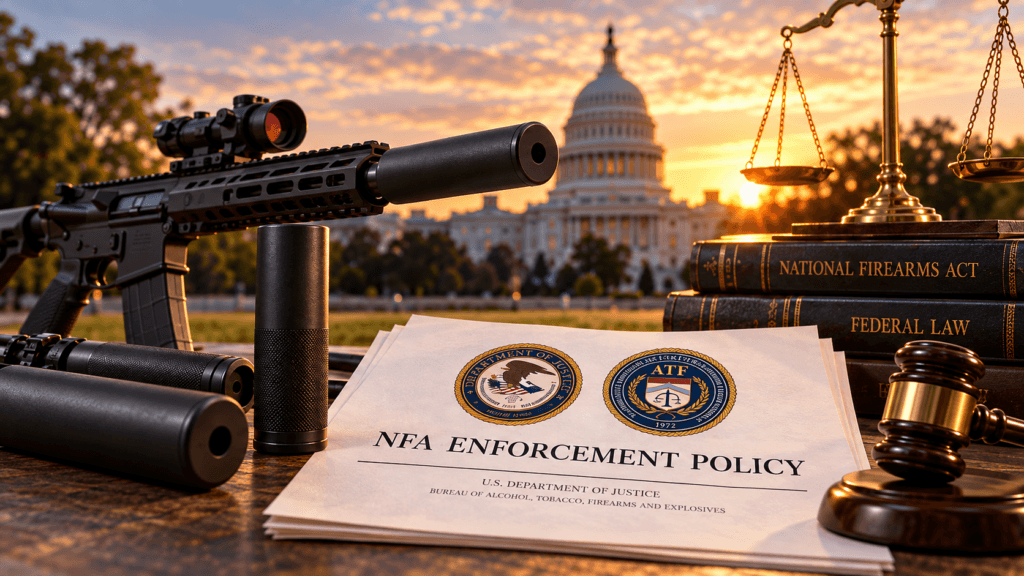
On October 9, 2026, the Bureau of Alcohol, Tobacco, Firearms and Explosives announced it will stop enforcing key provisions of the National Firearms Act. The agency made the call through a non-enforcement policy rather than a rule change or a new statute. That distinction matters. A policy can be reversed by the next administration with a memo, and it does not erase the underlying law from the books. Owners still need to know which NFA items fall under the policy and which do not. The announcement drew immediate attention across the firearms community because NFA violations carry federal felony exposure.
Key Details
The non-enforcement policy covers specific NFA categories rather than the entire statute. Nothing in the announcement repeals the registration requirements or the $200 transfer tax at the statutory level. The ATF can decline to pursue cases, but a private party or a future director can still bring them. Anyone relying on this policy should track the exact scope language in the agency's published guidance, not summaries of it.
Why It Matters for Gun Owners
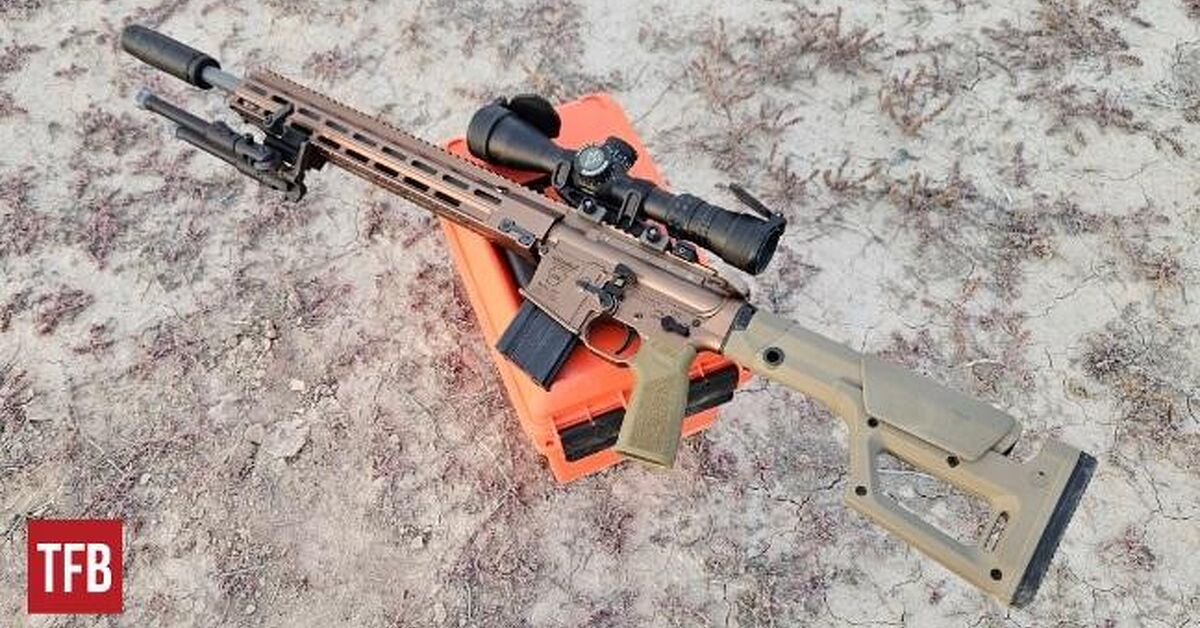
If you carry a suppressor, own a short-barreled rifle, or keep a registered machine gun, your legal position depends on the exact items the policy names. Owners who have been sitting on unregistered parts or unfinished transfer paperwork should not treat this as an amnesty. Prosecutors in the Department of Justice retain independent authority, and a policy memo does not bind a federal judge. States with their own NFA-related restrictions, including California, New Jersey, New York, and Massachusetts, will not be affected by federal non-enforcement. Check your state's rules before assuming federal relief applies to you. Keep your Form 4, Form 1, and tax stamp records organized in case a future enforcement posture changes.
DownRange Analysis
A non-enforcement policy is weaker than a court ruling or a legislative fix, and the NFA's registration scheme survives under it. Under Bruen, the Second Amendment question for suppressors and short-barreled rifles is still open in several circuits, and a policy shift does not resolve it. The real test is whether a court strikes the registration or tax provisions outright. Until that happens, the safe move is to stay compliant with the statute as written and document everything. Watch for litigation from NFA challengers and for any formal rulemaking that would make these changes durable.