Chicago Mayor Johnson Continues Anti-Gun Theater Instead of Tackling Violence
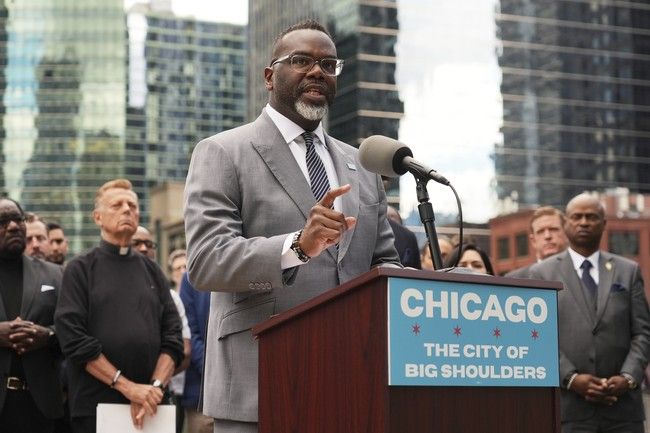
Chicago Mayor Brandon Johnson is recycling the same anti-gun playbook his predecessors used—blaming neighboring Indiana for the city's persistent violence problem rather than addressing systemic failures within Chicago's own borders. The mayor's latest effort to pin responsibility elsewhere while pursuing additional gun restrictions signals a refusal to confront the real drivers of Chicago's homicide crisis.
Key Details
- Johnson continues the decades-old Chicago political tradition of using Indiana as a scapegoat for the city's gun violence
- The mayor's approach prioritizes gun-control measures over enforcement of existing laws or community safety initiatives
- Chicago's pattern of blaming out-of-state sources avoids accountability for local policy decisions and their measurable outcomes
Why It Matters for Gun Owners
Chicago gun owners and Second Amendment advocates face an escalating threat: a mayor committed to restricting legal firearm ownership while crime remains unchecked. This playbook—blame guns, blame Indiana, restrict law-abiding owners—never requires Johnson to answer for Chicago Police Department staffing, gang enforcement, or the city's catch-and-release criminal justice practices. Gun owners in Illinois should expect Johnson to pursue additional measures that impact carry permits, legal transfers, and self-defense options, all while homicide rates remain among the nation's highest. The strategy punishes the lawful while leaving criminals unaffected.
DownRange Analysis
Johnson's approach fails every practical test. Chicago already has some of America's strictest gun laws. Indiana's existence doesn't cause that failure—enforcement does. A mayor serious about violence would prosecute straw purchases through federal channels, support police enforcement, and remove repeat violent offenders from the street. Instead, Johnson chooses the easier political path: restrict legal gun owners and blame external factors. This strategy survives politically because it requires no measurable results. Gun owners and Second Amendment advocates in Illinois should prepare for incremental restrictions disguised as public-safety measures while the actual violence problem remains unaddressed and unsolved.