Murphy's Gun Control Confidence Clashes With Trump-Era Reality
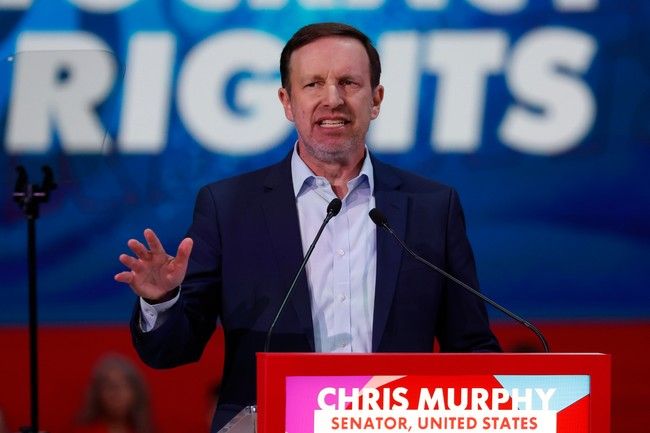
Sen. Chris Murphy told gun control advocates the movement has never been stronger—a statement that arrives as Donald Trump returns to the White House and the Department of Justice files suits against state and local governments for violating Second Amendment rights. Murphy's July 2026 remarks reflect the gun control lobby's push to maintain momentum despite losing executive branch support and facing legal challenges to existing restrictions.
Key Details
- Murphy positioned the gun control movement as resilient after losing federal executive support with Trump's 2024 election victory
- The DOJ under Trump's administration is actively suing states and cities, signaling a shift away from the prior administration's federal agency assault on gun owners
- The gun control lobby operated with White House partnership and whole-of-government coordination under the previous administration but lost that institutional backing
Why It Matters for Gun Owners
Murphy's claim reveals the gun control movement's strategy: declare victory and maintain grassroots pressure regardless of federal headwinds. For gun owners, this means state-level battles will intensify where anti-gun legislatures remain in power. The DOJ's shift to defending Second Amendment rights marks a sharp departure from the prior administration's approach, but state restrictions already on the books won't disappear on their own. Carry permits, magazine bans, and other state-level restrictions remain enforceable. Gun owners in blue states should expect continued legislative pushes even as the federal enforcement posture changes. Competitive shooters and hunters in states with active gun control agendas need to monitor state legislative sessions closely.
DownRange Analysis
Murphy's statement reads as political theater masking structural decline. The gun control lobby's power derived directly from federal agency weaponization under the previous administration—the ATF's pistol brace ban, DOJ litigation strategy, and regulatory pressure. That machinery is now reversed. Courts applying Bruen scrutiny continue striking down magazine bans and other restrictions. Murphy's claim that the movement is stronger reflects only grassroots organization, not legislative or legal wins. For gun owners: the federal environment just improved materially. State battlegrounds remain dangerous, but the coordinated federal attack has stopped. This matters most for manufacturers, dealers, and advocacy groups—not for immediate carry rights.