SCOTUS Lets Maryland's Gun-Free Zones Stand, Thomas Objects
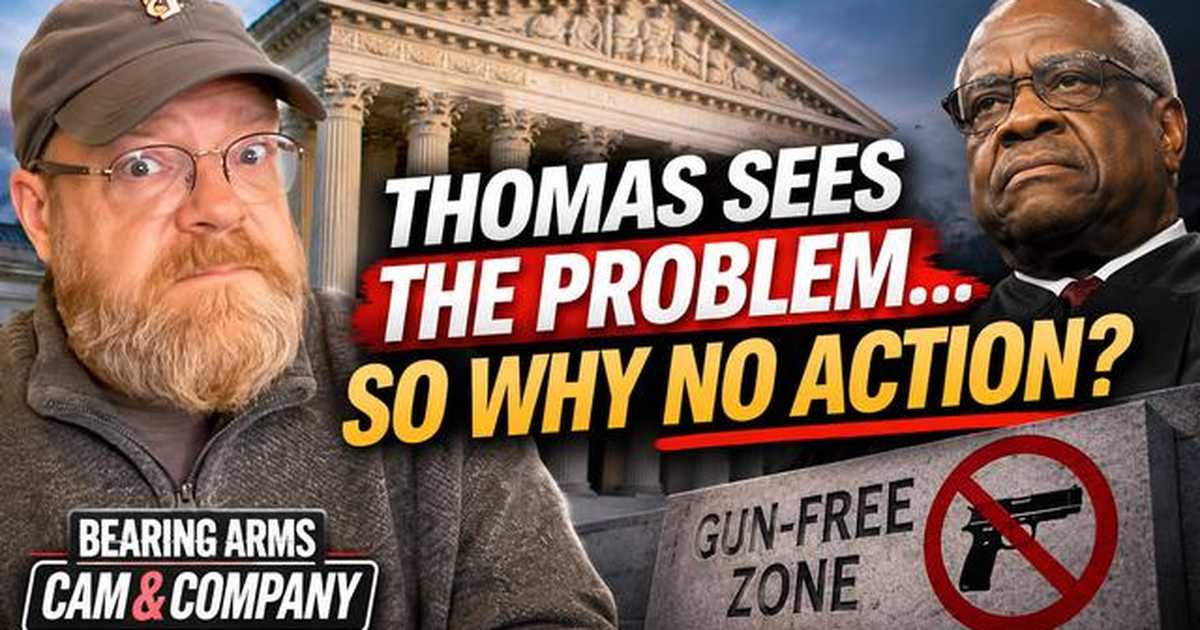
The Supreme Court turned away Novotny v. Moore on November 16, 2026, leaving Maryland's sweeping gun-free zone rules largely intact. Justice Clarence Thomas agreed the Court should deny certiorari, but he did not stay quiet. He used his statement to warn that states are stretching the 'sensitive places' concept far enough to hollow out the right to carry. The denial means the justices again passed on a chance to tell lower courts how far those zones can reach. For Maryland carriers, the status quo holds. For the rest of the country, the message is that the Court still avoids the hardest post-Bruen questions, even when one of its own members says the lower courts are going wrong.
Key Details
The facts here are narrow, but they matter for how the case moves forward:
- Case: Novotny v. Moore, a challenge to Maryland's gun-free zone restrictions.
- Court action: Certiorari denied. The Court declined to take up the case for full briefing and argument.
- Thomas's position: He agreed with the denial but issued a statement criticizing how states apply the 'sensitive places' label.
- Core complaint: Thomas argues that states use sensitive places to undermine the right to carry rather than to regulate narrow, historically grounded locations.
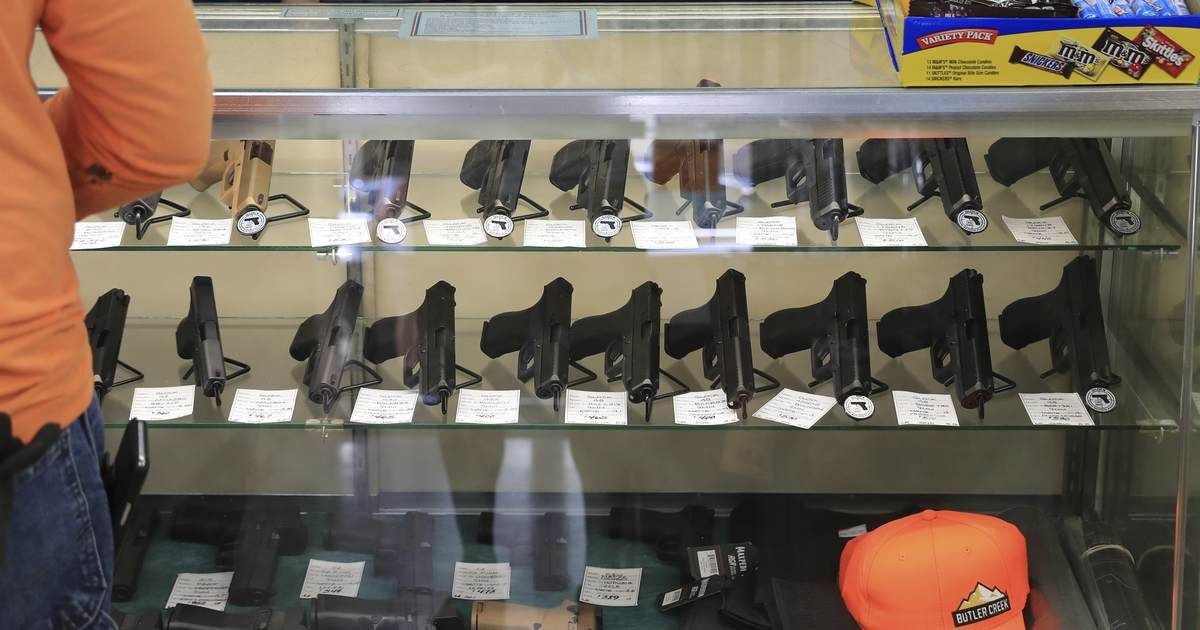
- Scope: Maryland's gun-free zones are described as sweeping, reaching well beyond a handful of traditional sites.
- Date of report: Bearing Arms published its coverage on November 16, 2026.
- Related docket watch: A separate Bearing Arms headline that week reported that the Justice Department is weighing options in a challenge to a Montgomery County gun law.
Background
The sensitive places question traces back to New York State Rifle & Pistol Association v. Bruen, decided in 2022. Bruen struck down New York's discretionary public carry licensing scheme and set a text-and-history test for evaluating modern gun laws. The majority opinion did not map out every location where guns may be banned. It did say the list of sensitive places it mentioned was not meant to be exhaustive, and Justice Kavanaugh's concurrence emphasized that schools and government buildings were examples, not a blueprint for sweeping bans. Lower courts have spent the years since trying to define the category. Some have upheld broad restrictions covering private property open to the public and other everyday locations. Gun rights litigators argue those rulings let states turn a narrow exception into the general rule. Thomas's statement pushes on the same concern. Maryland's gun-free zones sit squarely inside that fight, and the Court has now declined to settle it in this case.
Why It Matters for Gun Owners
If you carry in Maryland, the practical picture is unchanged. The gun-free zone rules remain in force, and you must treat each location on its face. Check whether a building, parking lot, or event space falls under a posted prohibition or a statutory category before you walk in. Carriers in other states should watch this closely, because the same arguments show up in New York, New Jersey, California, and Hawaii. Each state tends to add its own list of restricted locations, and the cumulative effect is what Thomas calls a patchwork. A traveler who is legal in one county can become a felon two states away. Document every restricted site on your route, keep your state's reciprocity rules current, and never assume a private business's silence means permission. Denials like this one do not end the litigation pipeline. They just delay the moment a clean vehicle reaches the Court.
DownRange Analysis
Thomas is right about the problem and the Court is wrong to sit on it. Bruen said the government must point to a historical analogue for a modern restriction. A default ban on carry across large swaths of public and quasi-public space is hard to square with that test, because the founding-era record shows few such blanket prohibitions. The Court should take a sensitive places case, define the category tightly, and tell lower courts to stop treating every public gathering as a sensitive place. Until then, gun owners in restrictive states carry on a legal map that changes by county. Practical advice is simple. Carry with the statute in hand, know your state's posted-sign rules, and keep a log of which locations you avoid and why. Those records become useful when a case finally reaches the justices who want to hear it.