Circle K Sidelined an Ohio Clerk Who Shot Back at Robbers
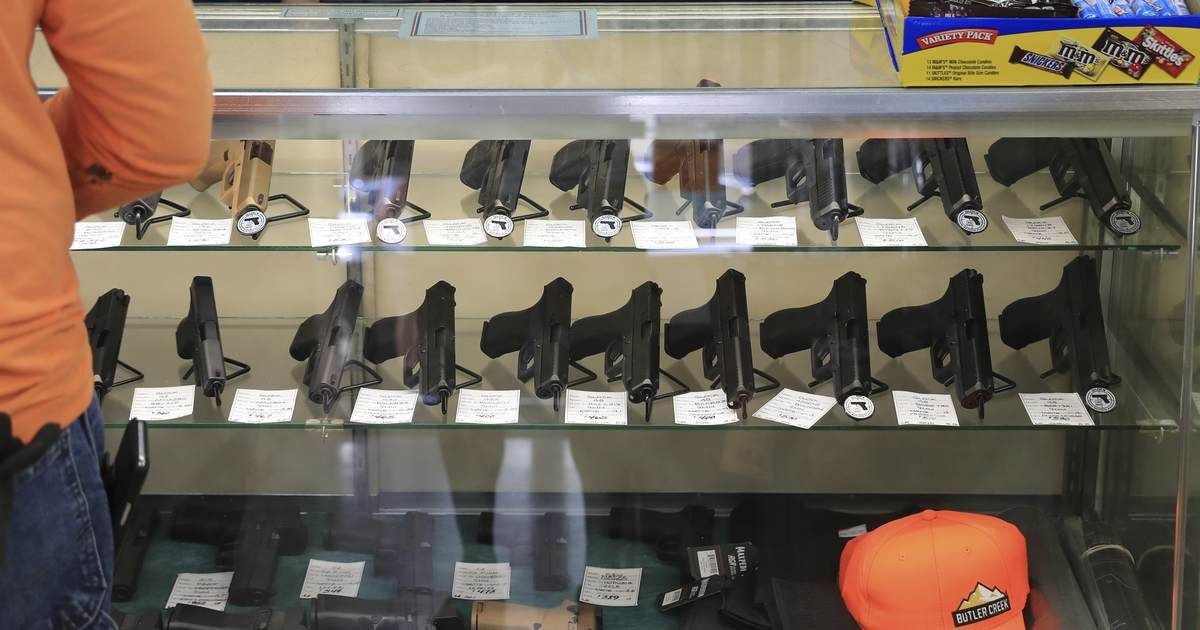
An Ohio convenience store clerk named Watson walked away from Circle K after he shot back at armed robbers. The crew drove a stolen minivan straight through the storefront where he worked, and Watson opened fire. Prosecutors did not charge him with any crime. Circle K took a different view. The Monday after the shooting, his manager sent a text ordering him to stay home and removed his name from the schedule. Two more days of silence convinced Watson he was fired. The company later said he could return, but Watson looked at the chain's no-weapons policy and decided after six years on the job that he would not go back.
Key Details
The facts line up in a short timeline, and they show how fast a self-defense shooting can turn into an employment problem.
- Who: Watson, a clerk at a Circle K in Ohio with six years of service.
- What happened: Robbers drove a stolen minivan through the storefront. Watson fired on the crew.
- Legal outcome: Prosecutors filed no charges against Watson for defending himself.
- Employer response: On the Monday after the shooting, his boss texted him to stay home. The text said his name was removed from the schedule.
- Timeline: Watson waited two more days with no work and no update, then assumed he had been terminated.
- Reinstatement: Circle K later told him he could come back. Watson declined, citing the company's firearms ban.
- Other cases: Reports describe other Circle K employees disciplined for defending themselves. One Colorado woman was reportedly let go after she fought off a knife-wielding attacker with her bare hands.
- Violence nearby: On a Tuesday, a clerk at an Atlanta convenience store was shot to death. The week before, a 66-year-old woman working a Hawaii convenience store counter was fatally stabbed, allegedly by a customer.
- Watson's message: He wants other workers to stay prepared to defend themselves if they face the same situation.
Background
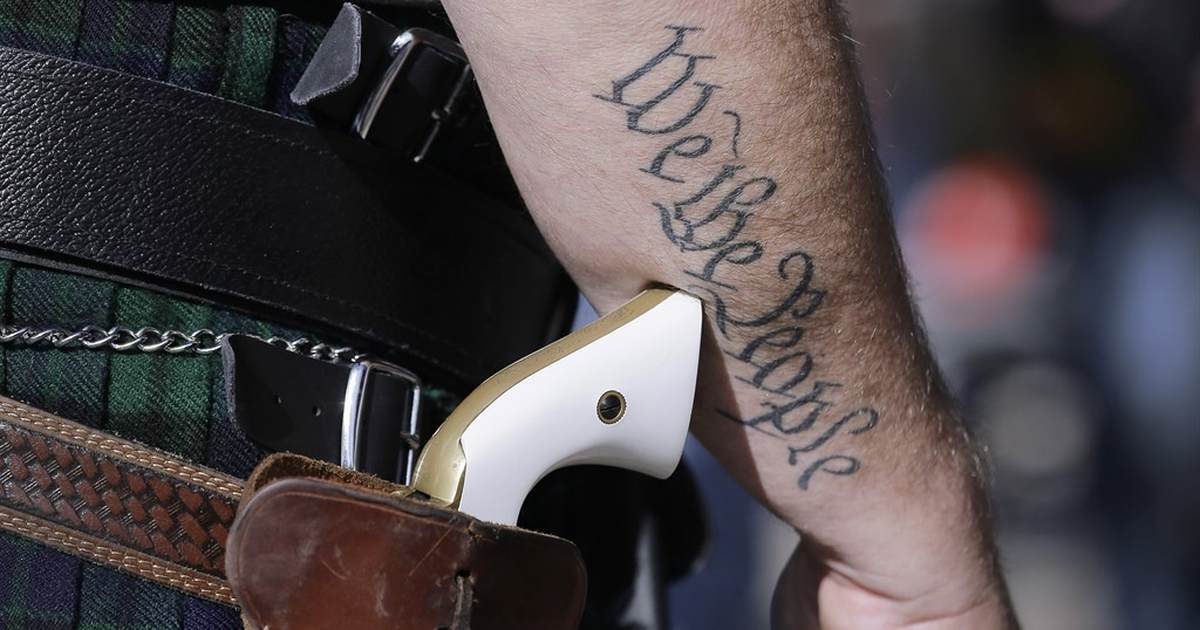
The Supreme Court changed the rules for government gun restrictions in June 2022. In New York State Rifle & Pistol Association v. Bruen, the justices struck down New York's discretionary carry permit system and set a text-and-history test for future gun laws. Ohio moved to permitless carry in 2022 as well, so an adult who can legally own a firearm can generally carry one without a state permit. That shift matters for citizens dealing with the state. It does not reach private businesses. The Second Amendment restricts government action, not the rules a private employer writes for its own property. Ohio also remains an at-will employment state in most cases, which gives employers wide latitude to fire workers for reasons unrelated to job performance. Circle K's policy did not come out of nowhere. Convenience chains have long posted or enforced no-weapons rules on their premises, and many employees have learned those rules apply even when the employee's life is on the line.
Why It Matters for Gun Owners
If you work retail, especially overnight shifts, this story applies to you. Read your employer's written firearms policy before you accept a job, and ask about it directly if the handbook is vague. A policy that bans guns on premises can cost you your job even if you never break a criminal law. Carry-friendly employers exist, but many chains say nothing until a crisis forces the question. Ohio gun owners should also understand that state law still lets property owners ban firearms on their premises through posted notice or direct instruction. Permitless carry does not override a private business's rule. If you are fired or sidelined after a self-defense incident, document everything. Save the texts, note the dates, and write down what your manager said and who else heard it. Those records matter if you later pursue a wrongful termination claim or need to explain your side to a prosecutor or insurer. Talk to a lawyer who handles employment law in your state before you sign any separation agreement.
DownRange Analysis
Bruen gives gun owners strong arguments against government bans, but it offers nothing against a private employer's policy. A court applying the text-and-history test will not force Circle K to let a clerk carry a pistol behind the counter. The fight here moves to contracts, employment law, and public pressure. The Watson case also shows the cost of a policy that disarms the one person on a late-night shift with a real chance to stop a violent crime. Corporate policy will not change because a court says so. It changes when workers and customers push back and when chains lose staff they cannot replace. Ohio gun owners should take three steps now. First, check every job offer for firearms language before you accept it. Second, keep a written record of any employer action tied to self-defense. Third, back carry-friendly employers with your business and support state measures that protect workers who defend themselves. Carrying a gun will not guarantee you survive an attack. Removing the option only makes that survival less likely.