Colombia Scraps Decades-Old Carry Ban Under New Presidential Order
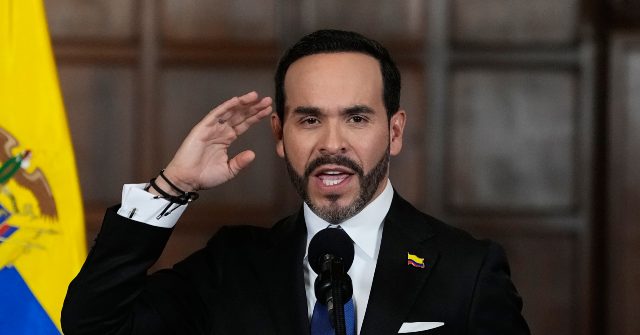
Colombian President Abelardo de la Espriella signed a decree on September 12, 2026, that removes restrictions preventing civilians from carrying firearms in public for self-defense purposes. The order dissolves a policy framework that has limited armed carry rights for decades, opening the door for law-abiding citizens to legally carry concealed weapons in urban and rural areas without prior restrictions that functioned as de facto prohibitions.
Key Details
- The decree targets restrictions imposed over multiple decades, not a single recent law
- Self-defense carry, not sporting or hunting use, is the primary focus of the policy shift
- The order applies nationally across Colombia's 32 departments
- Implementation details regarding licensing, training requirements, or background checks were not specified in the initial decree announcement
Why It Matters for Gun Owners
This decree represents a fundamental reversal of anti-carry policy in one of South America's largest nations. For Americans, it signals that even entrenched restrictions can face challenge—and succeed—when political will shifts. The Colombian move mirrors arguments Second Amendment advocates have made for years: restricting carry doesn't reduce crime; it disarms victims. Critically, this shows international momentum away from blanket civilian disarmament models. Gun owners monitoring global trends should note that Espriella's administration openly rejected the premise that fewer armed civilians equals safer streets. For competitive shooters and concealed carry practitioners in the U.S., this validates the principle that constitutional rights protect practical self-defense, not just range shooting or collection.
DownRange Analysis
Espriella's action exposes the weakness of the "public safety" argument against civilian carry. Colombia's crime rates didn't improve under decades of restrictions—they worsened. The decree doesn't guarantee immediate cultural or crime-reduction change, but it reestablishes the legal recognition that self-defense is a fundamental right. For U.S. gun owners, this matters because it demonstrates that the international consensus against civilian carry is fracturing. It also provides a data point: a major nation abandoning restrictive carry policy didn't create chaos. Watch how Colombia's homicide and robbery metrics track over the next two years; if they improve or stabilize, this becomes powerful evidence for Bruen-era challenges to American carry restrictions. The timing—post-Bruen but pre-2028 U.S. elections—suggests other governments are watching American jurisprudence shift and positioning accordingly.