Concealed Carry: Why Most New Shooters Pick the Wrong Caliber
New gun owners consistently overestimate caliber requirements for effective concealed carry. The assumption that bigger equals better drives beginners toward magnums and full-power rounds when compact 9mm and .380 platforms actually deliver superior real-world performance for daily carry. Ballistics data, not marketing, should drive caliber selection.
Key Details
The misconception stems from incomplete understanding of terminal ballistics and carry mechanics. Modern defensive ammunition in smaller calibers achieves expansion and penetration parity with larger rounds while enabling faster target reacquisition. Shooters land faster, more accurate shots with manageable recoil. A 9mm with quality hollow points consistently outperforms a .44 Magnum in the hands of someone who shoots it poorly. Magazine capacity, concealability, and shooter control compound the advantage of smaller platforms.
Why It Matters for Gun Owners
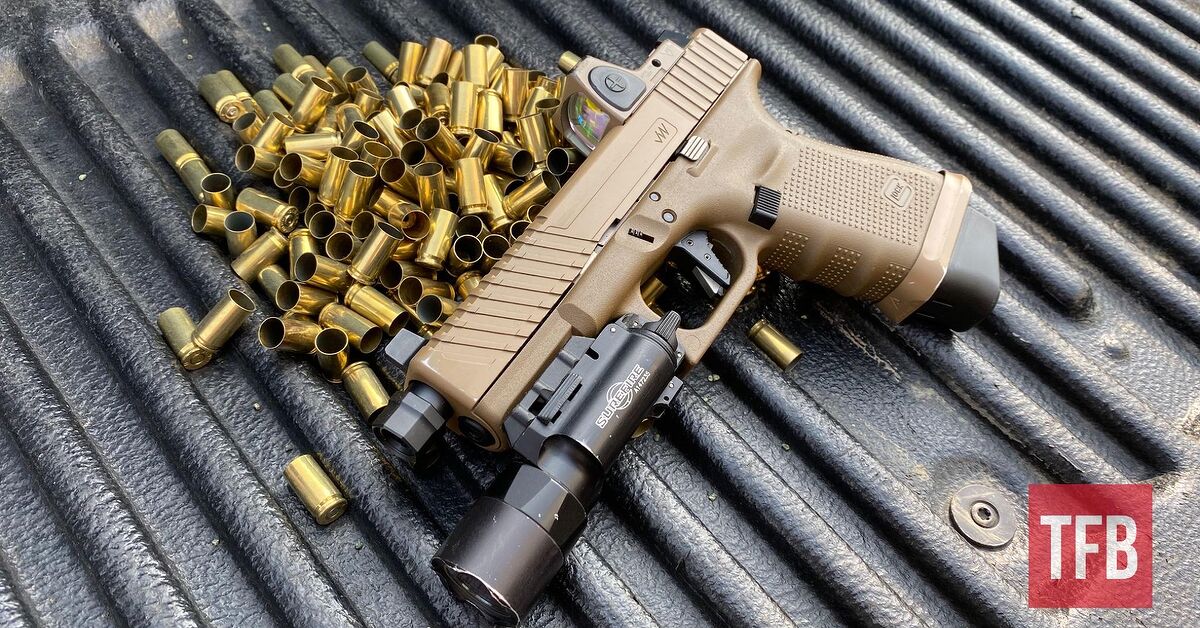
New carriers face a practical choice: carry a gun you practice with regularly or one you avoid because it punishes your hand. Physics favors the 9mm Luger for most body types and draw situations. A Glock 43X, S&W M&P Shield Plus, or Sig P365 delivers adequate stopping power with negligible training penalty compared to a .45 ACP or 10mm. Concealed carry demands reliability over theory. If recoil keeps you from drilling draw practice, your caliber selection failed the primary test. Shot placement—achievable only through regular practice—determines defensive effectiveness far more than muzzle energy.
DownRange Analysis
The caliber debate persists because it feels like a technical decision when it's actually a discipline problem. New shooters want to buy their way to competence instead of training. A 9mm platform with 147-grain bonded ammunition exceeds FBI minimum penetration standards (12-18 inches) while maintaining shootability advantages that matter at 7 yards—the typical defensive encounter distance. Market pressure sells bigger; ballistics science supports smaller. Carry what you'll practice with. Train the platform. Trust modern ammunition. Everything else is marketing.