Red Dots Move From Competition to Everyday Carry Guns
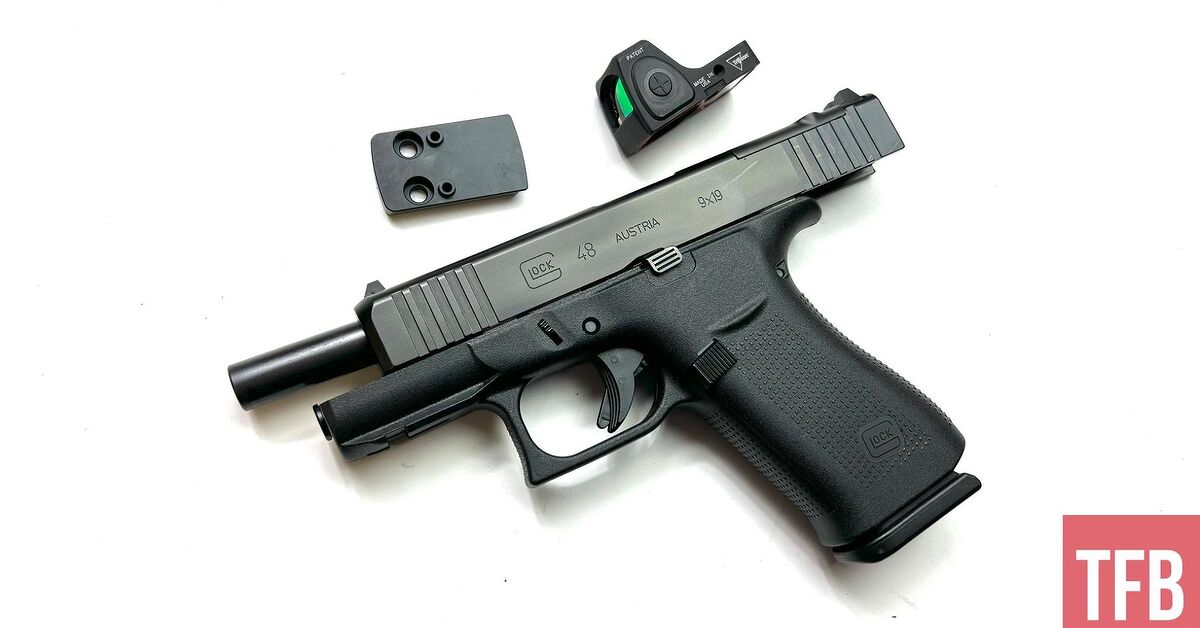
The concealed carry market has fundamentally shifted. Nearly every major handgun manufacturer now integrates red dot optics into production models designed for daily carry. This represents a hard pivot from iron sights as the default, driven by shooter demand for accuracy improvements and faster target acquisition in defensive scenarios.
Key Details
- Red dot adoption across concealed carry platforms has accelerated significantly, with manufacturers prioritizing factory optics integration over aftermarket cuts.
- Competitive shooting success with carry optics has influenced civilian gun buyers, pushing practical carry guns toward similar setups.
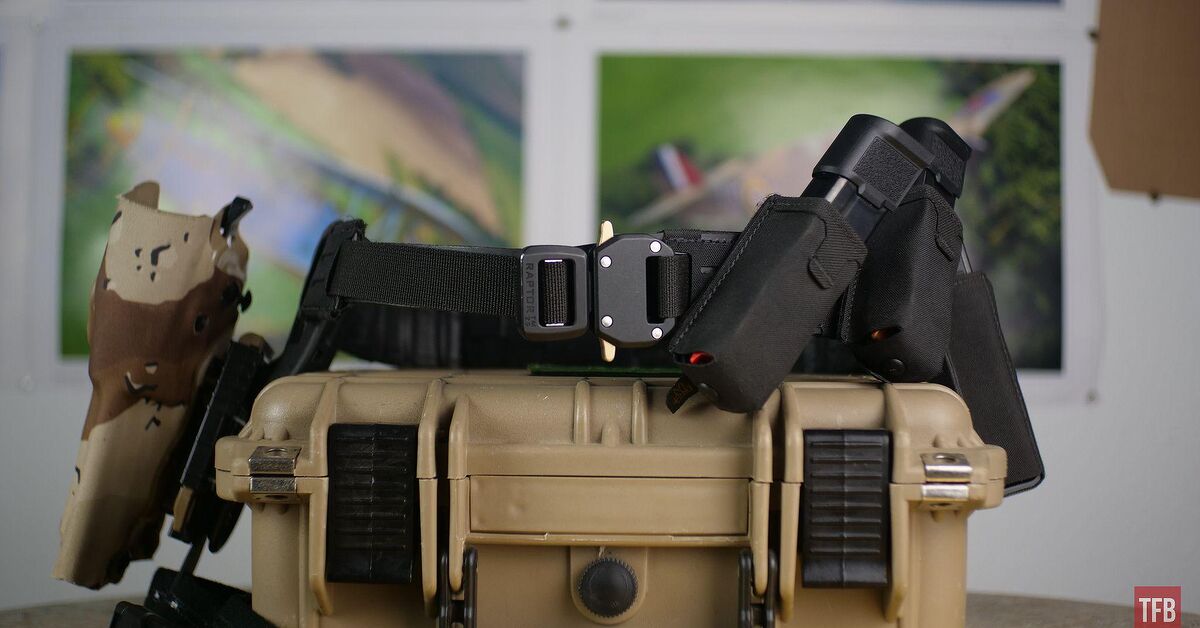
- Holster and accessory ecosystems have matured to support optics-mounted carry guns without significant bulk penalties.
Why It Matters for Gun Owners
If you carry daily or train for self-defense, this shift matters tactically and financially. Red dots improve hit probability under stress—documented by defensive shooters and validated in training courses. You're no longer choosing between competition gear and carry guns; the line has blurred. Expect optics-ready models to become standard baseline offerings rather than premium upgrades. Budget accordingly: factory-mounted optics add $150-300 to MSRP, but aftermarket milling adds more in labor. If you're shopping for a new carry gun, optics capability is now table stakes for serious defensive work. Holster selection expands when buying optics-ready models, and training becomes essential—red dots demand different sight picture discipline than irons.
DownRange Analysis
This trend survives Bruen scrutiny because it addresses defensive capability, not design restriction. Optics improve accuracy and speed—core self-defense functions. The market consolidation around red dots also signals confidence: manufacturers bet that armed citizens will pay premium pricing for tools proven effective in competitive and defensive use. Competitive shooters influence civilian market demand faster than any marketing campaign, and carry optics competition has legitimized these setups for duty-grade reliability. For gun owners, the practical win is simpler: buy a factory optics-ready gun, get quality holster options, and train with the system. The days of iron-sights-only carry guns being the default are over.