Same Pistol, Different Verdict: Michigan Versus Florida Vehicle Carry
A handgun on the passenger seat counts as concealed in Michigan. In Florida, that same pistol must be hidden from anyone who looks into the car. That single difference can turn a routine road trip into a legal problem. Writing for The Firearm Blog's Concealed Carry Corner, columnist Matt E. lays out his pre-trip routine for carrying across state lines. His first stop is the USCCA Concealed Reciprocity map. His second is a quick read of each state's rules along the route. He argues the research takes minutes and can keep a carrier out of jail. The column ran October 15, 2026.
Key Details
The column packs a lot of practical guidance into a short space. These are the specific points the author makes:
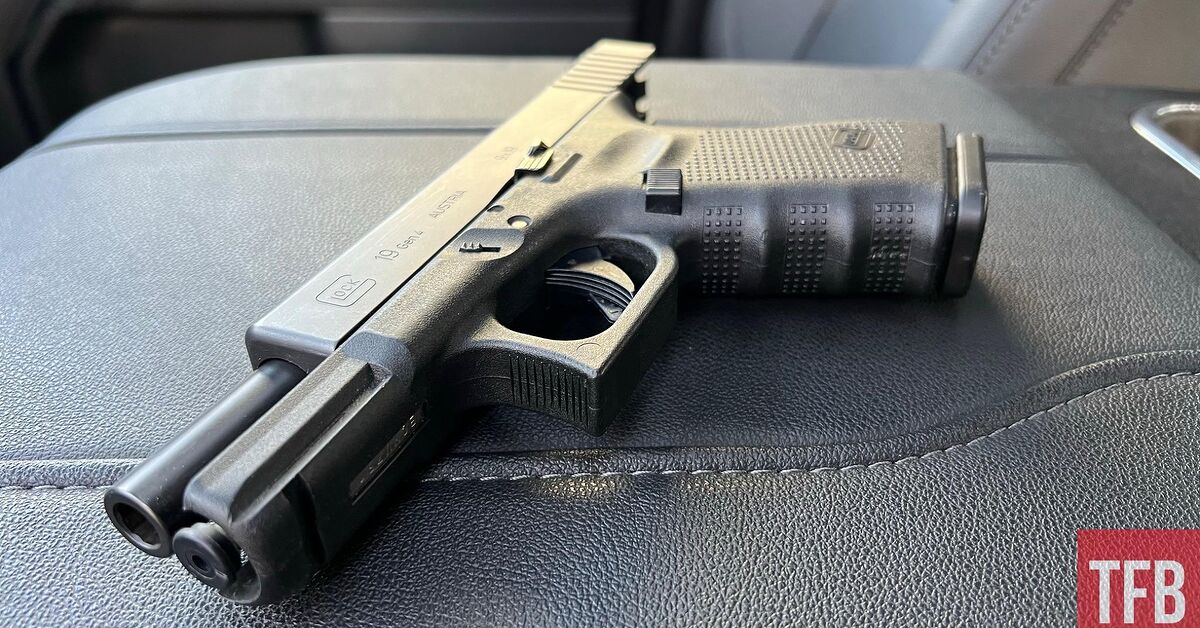
- Michigan vehicle rule: A handgun on the passenger seat, the dashboard, or in the center console all count as concealed under Michigan law.
- Florida vehicle rule: The firearm must be absolutely concealed, meaning 100 percent hidden from view when someone looks inside the vehicle.
- Reciprocity tool: The USCCA Concealed Reciprocity map lets you pick your home state and view an interactive map showing where your permit is recognized.
- Unloading: The author says many carriers plan to unload and stow the gun in the car. He calls that the easy route, but says you must know exactly where to pull over and how to store the handgun.
- State lines: Once you cross into a state that does not honor your permit, you are out of compliance. Plan a route that avoids the state or stop before you enter it.
- Gun-free zones: States differ on what counts as a gun-free zone and whether that restriction is enforceable.
- Time investment: The author estimates 10 to 15 minutes of research covers the basics for a trip.
- Police contact: He warns that some areas have officers who are not friendly toward concealed carriers.
The column also describes a work trip the author took through western states. A friend chose not to carry because he did not know the local laws. The author says the group mocked him, then he asked them to protect him. The story makes his point: ignorance of the local rules leaves a carrier with no good option.
Background
Carry law changed sharply after New York State Rifle & Pistol Association v. Bruen, decided by the U.S. Supreme Court in June 2022. The Court struck down New York's proper-cause requirement for public carry. It also set a text, history, and tradition test that courts now apply to gun restrictions. Many states that once required permits moved toward permitless carry afterward. Michigan and Florida both adopted permitless carry in 2023. That shift did not solve the reciprocity problem. Your home-state carry rights still stop at the border of any state where your permit is not recognized and where you lack permitless carry rights. Each state also writes its own definitions for concealment, vehicle carry, and sensitive places. Those definitions are where travelers get caught. Federal law offers a narrow fallback. The Firearm Owners Protection Act, found at 18 U.S.C. 926A, protects transit through states where a gun would otherwise be illegal, but only if the firearm is unloaded, locked in a container, and out of reach from the passenger compartment.
Why It Matters for Gun Owners
Anyone who carries outside their home state needs this checklist. Florida drivers who carry in a console or on a seat should understand that a visible firearm can run afoul of the state's concealment standard. Michigan carriers who drive through Florida need to switch their habits at the state line. Drivers from states with strict vehicle rules face the same problem in reverse. Road trippers on interstates pass through several jurisdictions in a single day, so the rules can change several times on one route. Commercial drivers and sales reps who travel for work carry the highest exposure because their routes cross many state lines. Check the map before you pack. Then read the statutes for each state on your route, paying close attention to vehicle carry, gun-free zones, and the rules for transit. If a state's law is unclear, avoid carrying there until you confirm it. Keep a copy of your permit and the statute language you relied on in the vehicle.
DownRange Analysis
Bruen gave Americans a stronger constitutional footing for carry, but it did not create a national reciprocity system. The patchwork persists, and the column proves the point. A rule that treats a seat-mounted pistol as concealed in one state and illegal in another is exactly the kind of inconsistency that gun owners will keep running into. Our view is simple: plan the trip like a legal exercise, not a shooting trip. Use the USCCA map as a starting point, then confirm against the official state code. Build a transit plan that meets the 926A conditions for any state that does not honor your carry rights. The accessory market benefits from this too. Lockable cases, trunk organizers, and quick-access console holsters all sell better when travelers know the rules. Buy the gear that fits your route, not the one that sounds clever online.