Contra Costa County Drops CCW Bans on 1911s, Red Dots, and Weapon Lights
Contra Costa County will stop barring single-action handguns, pistol optics, and weapon lights from concealed carry permit applicants. The county agreed to the change in a settlement of a lawsuit brought by the Second Amendment Foundation. Permit holders in the Bay Area county now have a clearer path to carrying modern defensive setups.
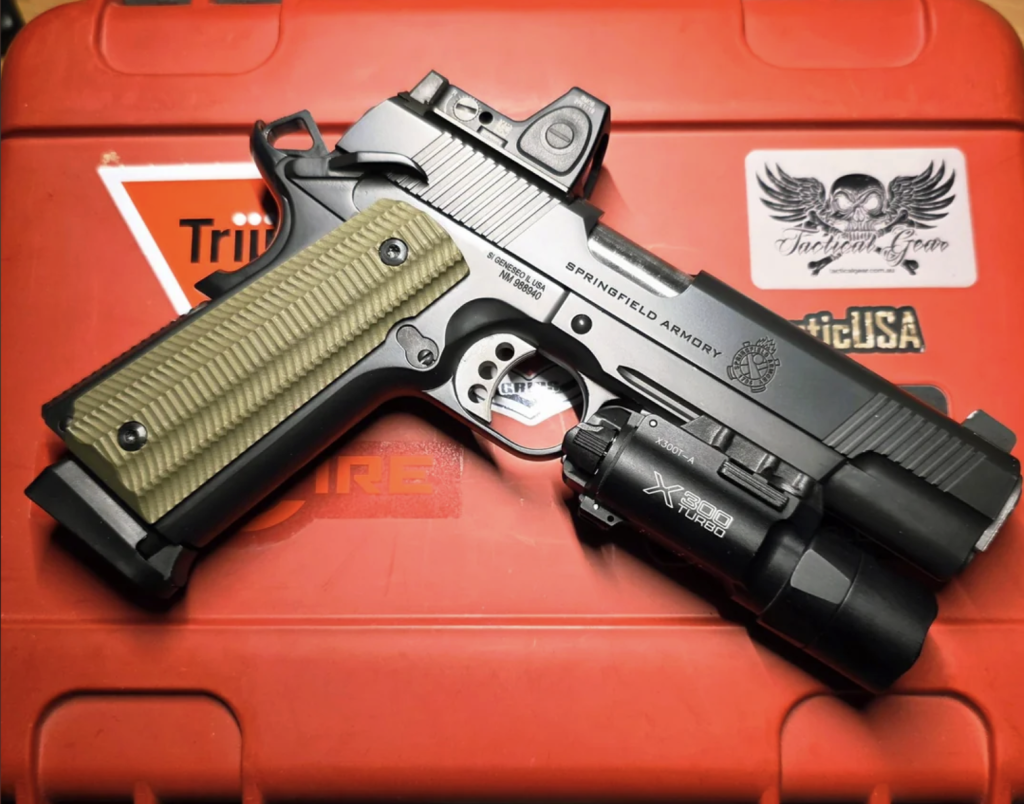
The restrictions targeted three categories. First, the county had barred single-action handguns, including the 1911 and the 2011 platform. Second, it blocked carry of handguns equipped with red dot optics. Third, it prohibited pistols fitted with weapon lights. Each rule shaped what applicants could carry under their permits, regardless of how well the owner trained with the gear.
Why It Matters for Gun Owners
Those restrictions hit some of the most common carry pistols on the market. The 1911 has been carried by civilians for more than a century. Many owners prefer single-action trigger pulls for their consistency and crisp break. Red dot sights now appear on a large share of new carry pistols, and weapon lights help with identifying threats in low light. A permit that excluded all three was a permit that excluded much of modern carry gear.
The settlement matters beyond one county. California permits already vary widely by jurisdiction, and applicants often face different rules from one county line to the next. When a county backs down, owners elsewhere gain a precedent to cite during their own permit fights. Gun owners should check their local sheriff's policies, because restrictions like these have often been written into local practice rather than state law.
Training remains the real safety factor. A carry permit does not make a pistol safer or more accurate. Owners who carry optics or lights should practice with those tools, learn the manual of arms for their specific model, and understand their state's rules on holstering and transport.
Background
California is a may-issue state for concealed carry, which means local law enforcement holds wide discretion over who receives a permit and what conditions apply. Sheriffs in many counties have historically set restrictive policies. Those policies often appear in local guidelines and application instructions, which makes them harder for applicants to challenge individually.
The Second Amendment Foundation has pursued litigation against restrictive permit practices across the state. Its suits typically argue that local rules add burdens the law does not support and that they infringe on the right to bear arms. In this case, the county chose a settlement over continued court fights, dropping the disputed bans without a final judicial ruling on their constitutionality.
Settlements carry less weight than full court decisions. A county can revive restrictions later, and other jurisdictions are not bound by the agreement. Still, the change shows that litigation and public pressure can move local permit policy, even in a state with strict gun laws.
DownRange Bottom Line
Contra Costa's reversal is a win for permit applicants who carry 1911s, red dots, and weapon lights. Owners in California should review their county's current carry policies and document any denials or conditions they face. Anyone who carries modern gear should keep training with it, because the right to carry comes with the responsibility to use it safely.