Cook County Tries to Dodge the Supreme Court’s Assault Weapon Ruling
Cook County State’s Attorney Eileen O’Neill Burke wants the county off the Supreme Court’s assault weapon docket before the justices hear a word. Her office is asking the court to treat Viramontes, et al. v. Cook County, Illinois, et al. as moot after plaintiff Cutberto Viramontes asked to withdraw. Oral arguments on Connecticut’s and Cook County’s bans are less than a month away. If Burke wins, the county escapes a ruling aimed squarely at its own ordinance. If she loses, the county stays in the fight and the justices get a clean look at the Galil question. Gun owners in Illinois and Connecticut should watch this filing closely, because it shapes which rifles the Court can actually rule on.
Key Details
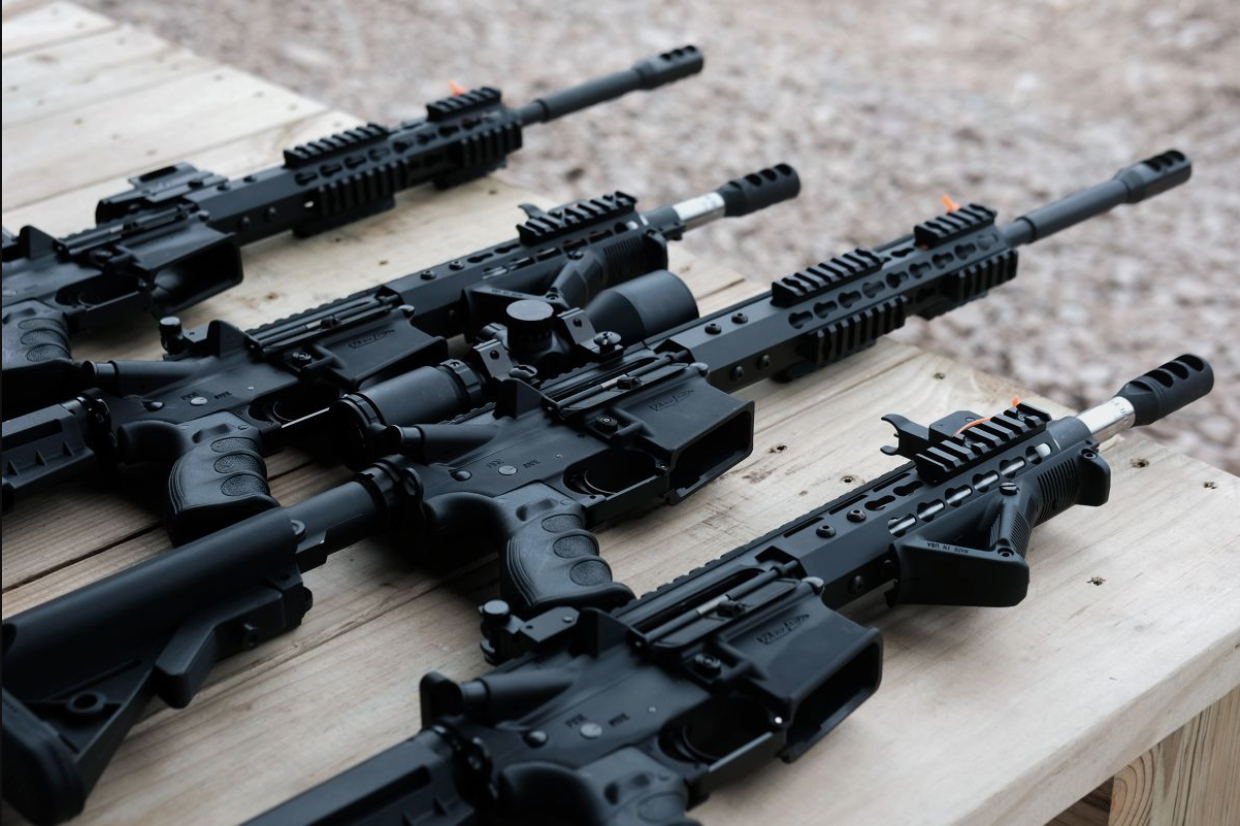
The Court has agreed to decide whether the Second and Fourteenth Amendments protect ownership of “AR-15 platform and similar semiautomatic rifles.” Burke’s motion treats that question as tied to who is still in the case. Here are the facts that matter:
- Oral arguments: scheduled in less than one month from the November 7, 2026 report date, covering both Connecticut’s and Cook County’s assault weapon bans.
- Viramontes: wants to own an AR-15 and has asked to exit the case.
- Christopher Khaya: the remaining named plaintiff, who wants an IMI Galil, a rifle built on the AK-47 platform.
- Cook County’s position: the Galil and the AR-15 are different, and that difference matters to the analysis.
- Standing argument: Burke says the Firearms Policy Coalition and the Second Amendment Foundation “appear to lack standing” once Viramontes leaves, because the groups listed only Viramontes and Khaya as Cook County members.
- Counterpoint from SAF: attorney Kostas Moros says the question presented always covered firearms like the Galil, and that Cook County may have made it harder to keep the ruling from being limited to AR-15s.
- Companion case: Grant v. Higgins from Connecticut, where plaintiff Eddie Grant has not withdrawn.
Burke concedes the Court can still rule on AR-15 bans through the Connecticut case. Her motion asks only that Cook County be dropped. Khaya’s stake is a rifle the county bans him from buying. That is an injury whether the rifle is an AR or an AK, and Burke’s motion blurs that point.
Background
The Second Amendment question here starts with District of Columbia v. Heller (2008), which held that the Second Amendment protects an individual right to keep and bear arms and recognized that common-use arms receive protection. The Court expanded that framework in New York State Rifle & Pistol Association v. Bruen (2022), which replaced interest balancing with a text-and-history test. Under Bruen, governments must point to a historical tradition of regulation that matches the modern law. That test made local and state bans on popular rifles far more vulnerable, and it set up the current fight over whether AR-platform and similar rifles fall within the Amendment’s scope.
Lower courts have split on these bans, and the cases have bounced between district and appellate courts for years. The Supreme Court’s decision to hear the question changed the calculus for everyone involved. Last year the Court also heard a case about Idaho’s limits on women’s sports participation even after the named plaintiff, Lindsay Hecox, sought to withdraw. The Court did not treat that request as the end of the matter. Burke’s motion asks the justices to take a different route, and the Hecox precedent gives them reason to decline.
Why It Matters for Gun Owners
This motion affects more than one county. If the Court dismisses Cook County’s case, Illinois residents lose a direct vehicle for challenging the county’s ordinance, though the state-level and Connecticut litigation continues. Owners in Cook County who want an AR-15, an AK-pattern rifle like the Galil, or any similar semiautomatic rifle face a ban that remains enforceable until the courts say otherwise. Gun owners in Connecticut face the same question through Grant v. Higgins, which means the Court’s ruling there will carry weight across the Second Circuit.
The wording of the question presented matters as much as the outcome. A ruling that stops at the AR-15 could leave AK-pattern rifles and other semiautomatics open to bans. Owners of Galils, Sig MCX variants, and similar guns should track how the Court defines “similar semiautomatic rifles” in its opinion. Anyone in Illinois should watch the Cook County docket and talk with a firearms attorney about current registration, transport, and storage rules. Do not assume a pending case protects you from enforcement.
DownRange Analysis
Burke’s standing argument is weak. Khaya wants a rifle the county prohibits him from buying. That is a concrete injury, and it does not disappear because the rifle is an AK instead of an AR. Burke appears to confuse two separate questions: whether the Galil is protected under the Second Amendment, and whether Khaya can sue over the ban. The first is a merits issue. The second is about his injury, and he has one.
Moros is right that the Court should not carve out the AR-15 and leave the rest. Heller protected handguns in common use, and Bruen demands a historical analysis of the regulation, not a product-by-product list of exceptions. If the justices write a narrow opinion, every semiautomatic rifle owner pays for it. Cook County may have handed the plaintiffs a stronger record by inviting that fight.
Right now, gun owners should do three things. Read the Supreme Court’s briefing schedule and any response from the plaintiffs to Burke’s motion. Confirm your state and local ordinances, especially if you live in Cook County or Connecticut. Support the litigation groups that are funding these cases, because standing rules will decide who gets to be heard next time.