Montana Lawmakers Target State Suppressor and SBR Laws for 2027
Three Montana Republicans are drafting bills to rewrite state rules on suppressors, short-barreled rifles and short-barreled shotguns before the 2027 session convenes in January. Sen. Wylie Galt requested the drafts in September. Sen. Carl Glimm and Rep. Braxton Mitchell agreed to carry matching measures in the Senate and House. The push answers a federal shift: ATF guidance effective October 9 says the agency will stop enforcing several National Firearms Act approval, registration and tax-stamp requirements. Nothing is enacted. No final bill numbers exist. Montana law still controls what you can possess and do with these items inside the state.
Key Details
The reporting behind this story pulls together a short list of facts that matter to Montana owners:
- Galt asked for legislative drafts in September. Glimm and Mitchell agreed to carry the Senate and House bills.
- The ATF policy covers suppressors, short-barreled rifles, short-barreled shotguns and certain other weapons under the NFA.
- The policy does not repeal the federal statutes. It also does not override state or local restrictions.
- Attorney General Austin Knudsen says Montana still needs statutory changes. His office warned prosecutors and law enforcement in August, before ATF extended nonenforcement nationwide, that Montana provisions still referenced federal registration and tax-stamp requirements.
- The Justice Department guidance flagged three conflicts. Montana treats possession of an unregistered silencer as evidence of an unlawful purpose. A short-barreled firearm exception depends on a valid federal tax stamp. Hunting with a suppressor requires federal registration under state law.
- The planned House and Senate bills would remove or trim those state references.
- ATF still enforces the Gun Control Act. Dealers must use Form 4473, run required background checks and follow state law.
- ATF says the policy could change if the federal case is overturned, Congress rewrites the law, or the Justice Department rescinds its guidance.
Background
The National Firearms Act dates to 1934. It put suppressors, short-barreled rifles and short-barreled shotguns under a registration system and a federal tax. For decades, the $200 tax stamp was the centerpiece of that system. Congress changed the math in 2025, setting the tax on these items to zero starting January 1, 2026. Registration stayed on the books. Gun groups challenged that registration requirement in federal court, arguing that a zero-dollar tax leaves the registration scheme without a constitutional basis. ATF's October guidance grew out of that pressure.
Montana's own law sits on a different foundation. Article II, Section 12 of the Montana Constitution protects the right to keep and bear arms. Montana's statutes, however, were written around the federal NFA. Several provisions reference federal registration and tax stamps as conditions of state legality. When the federal government stops enforcing those conditions, the state statutes still point at them. That mismatch is the problem Galt, Glimm and Mitchell are trying to fix. The Supreme Court's 2022 decision in New York State Rifle and Pistol Association v. Bruen also changed how courts review gun laws, requiring the government to justify restrictions with historical analogues to firearm regulation.
Why It Matters for Gun Owners
If you own a suppressor in Montana, the current text of state law still applies to you. A state rule that makes an unregistered silencer evidence of an unlawful purpose does not disappear because ATF will not pursue the federal paperwork. Local prosecutors read the statute as written until the legislature changes it. The August warning from Knudsen's office shows the state recognized that gap.
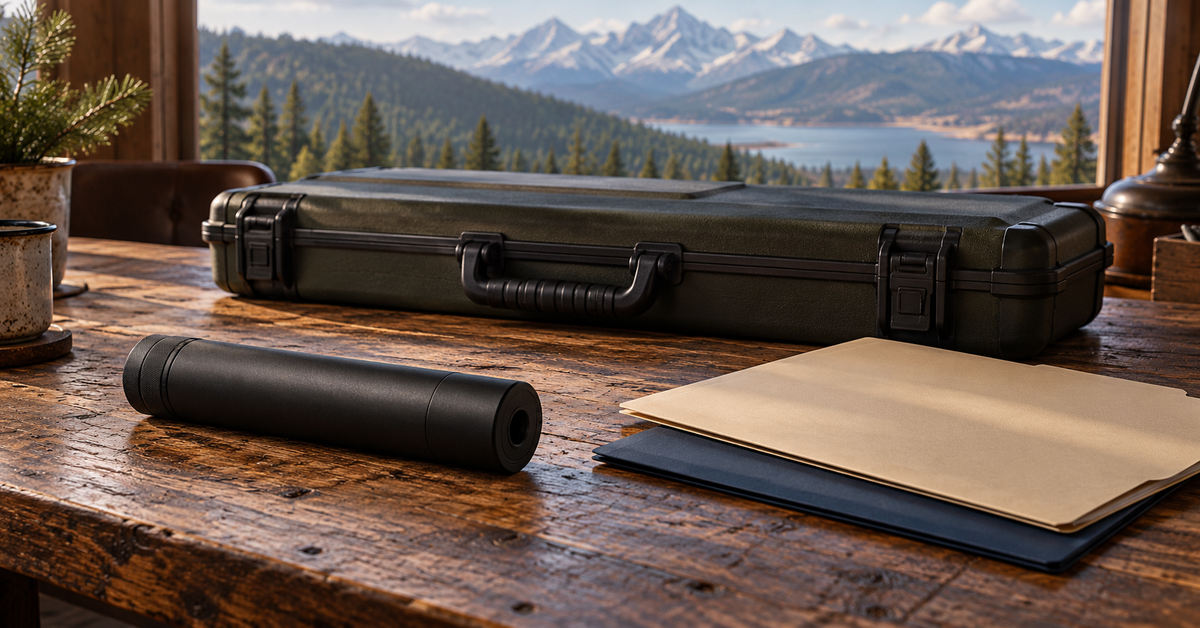
Hunters face the sharpest edge. Montana's provision requiring federal registration for suppressor use while hunting is the clause most likely to cause trouble in the field. Before the 2027 session, pull your Form 4 approvals or registration paperwork and keep copies in the truck and at home. If you bought a suppressor without federal approval, do not assume the federal change protects you in Montana. Get a legal read before the season opens.
Travelers need to think beyond Montana's borders. The Safety Tip in the source is correct: verify current federal guidance and the law of every state you touch. A suppressor legal at home may create problems in a neighboring state with its own NFA-linked statutes. Keep transfer records, receipts and approval letters with each item.
DownRange Analysis
A state law that makes possession turn on a federal tax stamp looks weak once the federal government stops checking for the stamp. Under Bruen, Montana must justify its restrictions with historical analogues. Montana will struggle to defend a rule that punishes an item because it lacks paperwork the feds no longer require. That argument will carry more weight in court than any lawmaker's press release.
Expect Montana's bills to move. Republicans control both chambers, and the sponsors have already lined up matching bills. The real fight will be over whether lawmakers strike the references cleanly or leave a registration hook in place. Watch the final text, not the press coverage.
Right now, do three things. Document every NFA item you own. Do not buy or transport a suppressor or SBR on the theory that ATF's policy covers you in Montana. Then contact your Montana legislators and tell them to remove every federal-registration reference from state code in the 2027 session.