Police Academies Lower Shooting Standards, Pass Struggling Officers
Most police departments don't require expert marksmanship. Officers only need to meet minimum qualification standards set by their own agencies. Many instructors pass struggling recruits anyway, court records and training documents show.
This matters because armed officers with mediocre shooting skills carry guns daily in your communities. They qualify with fewer rounds fired and less rigorous testing than most civilian gun owners demand of themselves.
Why It Matters for Gun Owners
The gap between cop and civilian shooting standards creates real consequences. Police officers receive initial firearms training, then often minimal annual requalification. Many departments require just 50-100 rounds annually to "qualify."
Civilian shooters who carry daily typically fire hundreds of rounds monthly for skill development. Gun owners invest in private instruction, practice on their own dime, and hold themselves accountable for accuracy.
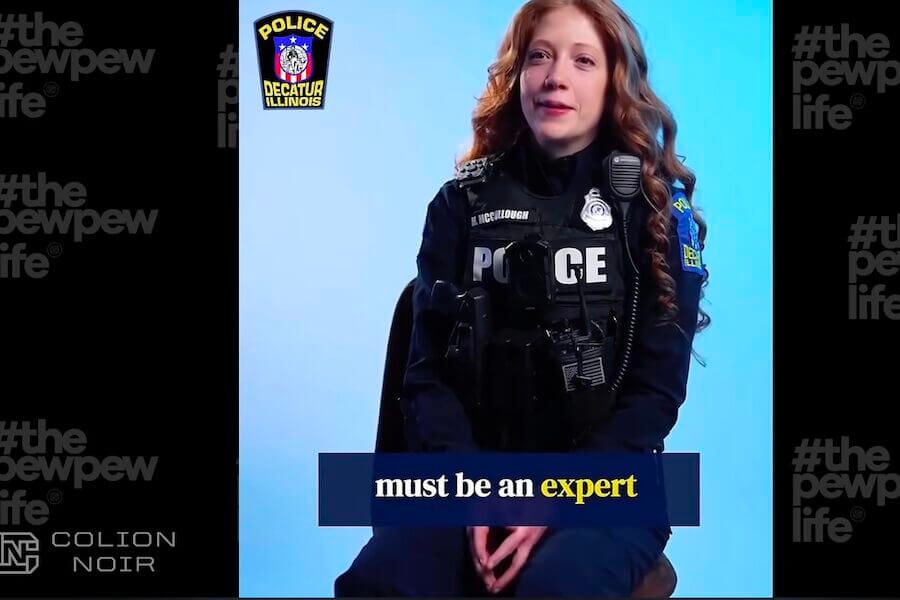
When officers admit they're not expert shots, it raises questions about who actually maintains higher firearms proficiency standards in America. Licensed concealed carriers often shoot more frequently and receive more advanced training than their local police departments require.
Additionally, this reality exposes the hypocrisy in anti-gun arguments. Politicians claiming only police should carry guns ignore that many uniformed officers meet lower accuracy standards than law-abiding citizens do voluntarily.
Background
Police training academies have long struggled with firearms instruction. Budget constraints, time limits, and instructor availability mean recruits get 40-60 hours of firearms training before badge and gun. Many complete basic qualifications without firing more than a few hundred rounds total.
Academy instructors face pressure to pass recruits through. Failing candidates creates administrative headaches and delays getting officers onto streets. So passing standards get adjusted downward rather than training intensifying.
Once hired, most officers shoot only during annual qualification requirements. These tests typically involve shooting at stationary targets from set distances under controlled conditions. Real-world encounters involve moving targets, adrenaline, poor lighting, and split-second decisions—nothing like academy ranges.
Several police departments have acknowledged that shooting qualification is a box-checking exercise. Departments test minimum competency, not expert marksmanship. Officers who barely pass still badge up and carry service weapons.
Private defensive firearms training companies have filled this gap. Officers pay personal money to attend courses from companies like Calibre Press, Tac Con, and specialized law enforcement trainers. These courses emphasize practical skills academy training doesn't cover.
DownRange Bottom Line
Police officers qualify with lower standards than serious gun owners maintain. Most departments care about minimum passing scores, not excellence. This doesn't make officers dangerous or incompetent—it reflects reality that government training budgets limit instruction.
For gun owners, this reinforces several truths. Take responsibility for your own training. Find instructors better than academy standards. Shoot more often than legal minimums demand. Carry guns only if you commit to skill development.
The fact that police admit they're not expert shots shouldn't surprise anyone in the defensive firearms community. Most of us learned long ago that government training satisfies politicians, not professionals. Your carry gun proficiency depends on your effort, not credentials on a wall.