Tungsten and Bismuth Prices Force Duck Hunters Back to Steel
Premium waterfowl shells cost more this fall, and many duck and goose hunters will switch back to steel. Tungsten prices spiked in 2026, and bismuth, copper and steel followed. Ammo makers are cutting supply, and that pushes shelf prices higher. Winchester's director of product strategy, Jimmy Wilson, says steel will define this season. Shooters can still find premium shells, but they will pay more for them. Many familiar bismuth and tungsten loads have already disappeared from the market. The good news for waterfowlers is that the cost squeeze mostly hits rifle and pistol ammunition, not shotshells.
Key Details
The price pressure is spread across several metals. Here is what the market looks like right now:
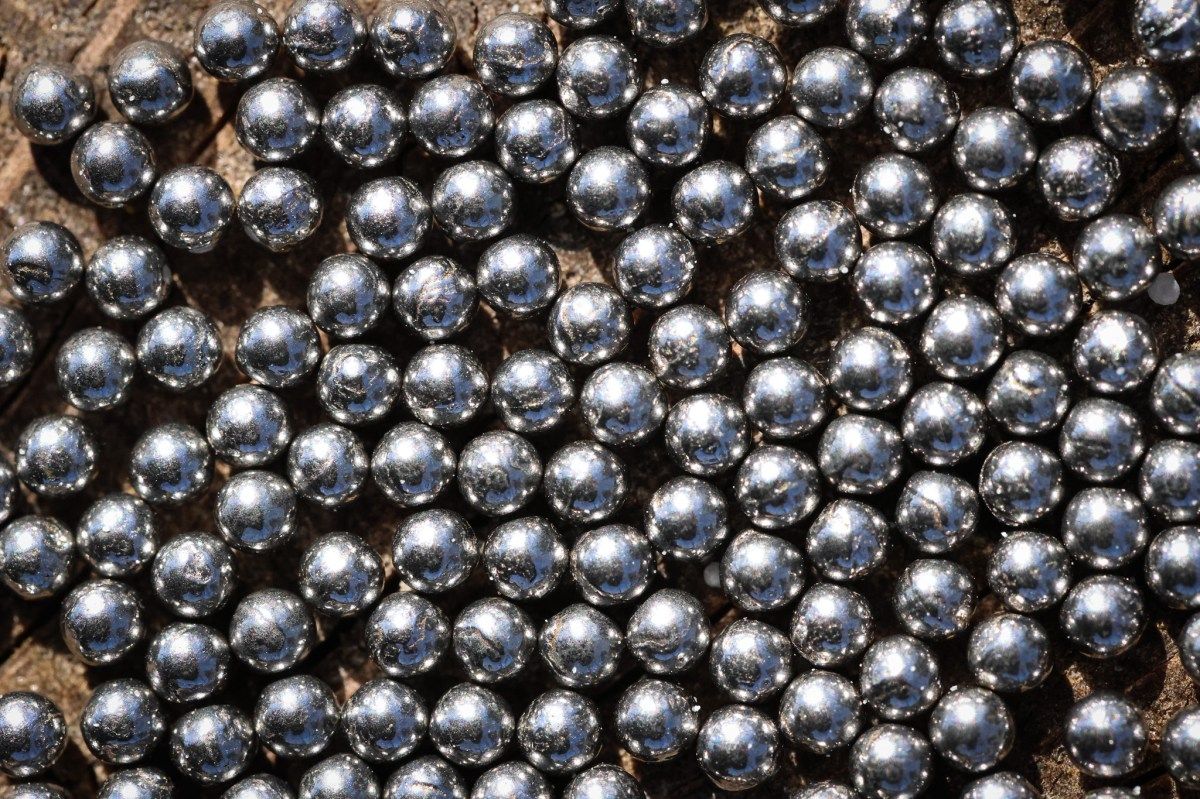
- Tungsten: Prices jumped sharply in 2026. Many TSS and tungsten loads are discontinued, including 20-gauge Black Cloud TSS. Hevi XII, built on 12 g/cc tungsten pellets, is unavailable from the manufacturer and most online retailers.
- Bismuth: Manufacturers are scaling back bismuth shells for 2026. Remington and Hevi have discontinued many pure bismuth loads. Federal still makes Premium Hevi Bismuth, and a single box of 2 3/4-inch 12-gauge No. 4s costs $60, or $2.40 per round at big-box stores. Browning's Wicked Blend, which contains bismuth, sells for about $40 a box.
- Copper: The U.S. Fish and Wildlife Service approved Boss CuProX copper loads for waterfowl this summer. A 20-count box of 3-inch 12-gauge No. 3/5 costs $40. Boss sources its copper from Michigan, where the company is based.
- Steel: Stacked steel loads are popular, and most manufacturers are developing higher-end steel options. Hevi Hammer blends bismuth and steel, with roughly 15 percent bismuth compared to Wicked Blend's 30 percent, and it remains widely available.
- Blends: Hevi Hitter, with 80 percent steel and 20 percent tungsten pellets rated at 12 g/cc, still sits on some retail shelves.
Copper has a density near 8.9 g/cc, which places it between bismuth at about 9.6 g/cc and steel at about 7.8 g/cc. Boss says its copper loads showed a slight edge over bismuth in patterning and penetration in testing. Copper now costs more than $6.50 per pound, roughly 50 percent above two years ago. Wilson also says punitive tariffs make importing tungsten loads too expensive for Winchester this season. Apex Ammunition, a Mississippi shotshell maker, still offers full TSS loads and reports that its cost pressure comes from material prices, not availability.
Background
Non-toxic shot became federal law for waterfowl decades ago. The U.S. Fish and Wildlife Service banned lead shot for migratory waterfowl hunting in the early 1990s. Steel was the default for years. Hunters who wanted better downrange energy and patterns then turned to bismuth, tungsten-iron, tungsten-matrix and tungsten-polymer loads. Those premium options carried higher price tags, but they offered density that steel could not match. Steel's lower density means it loses energy faster at distance, which is why premium shot caught on with serious duck hunters.
The premium market depended on a few metals that are now scarce or expensive. Bismuth is a byproduct of other metal production, and tungsten and copper are both tied to global commodity markets. When those prices rise, the ammunition makers that rely on them feel it quickly. Powder shortages dominated the supply chain for years, but copper's rising cost now competes with that bottleneck. The result is a market where premium non-tox shot costs more and some options no longer exist.
Why It Matters for Gun Owners
If you hunt ducks or geese, check your shell inventory before opening day. Bismuth loads that sit on shelves are likely leftover from last season, and manufacturers will not restock them. Once those boxes sell, you may not find the same load again. Shooters who depend on a specific tungsten load should buy early, because retailers are clearing what remains.
Steel-shot hunters should expect strong supply and better prices. Stacked steel loads and new high-end steel options will fill the gap for most of the flyway. Hunters in northern states who have already used Boss copper loads report solid results, so copper is a practical middle option at about $40 a box. Hunters in every state should confirm that any load they buy is approved for waterfowl under federal rules. Read the box labels and check your state's regulations before the first hunt.
DownRange Analysis
Copper deserves attention. Federal approval, a density close to bismuth and a lower price tag make it a strong option, and early field results back it up. Still, copper pellets do not change the economics of the rest of the market. Steel remains the reliable, cheap workhorse, and it will carry most hunters this season. Premium shooters will feel the pinch from tungsten and bismuth shortages until supply recovers. Buy what you need now, stock a backup load if you rely on a specific formula, and keep a steel option in the truck. The price spike is driven by commodity metals, not hunting regulations, so do not expect relief soon. Watch copper prices and tariff policy, since both will shape next year's shelf.