NYC's One-Gun Carry Limit Is Back in Federal Court
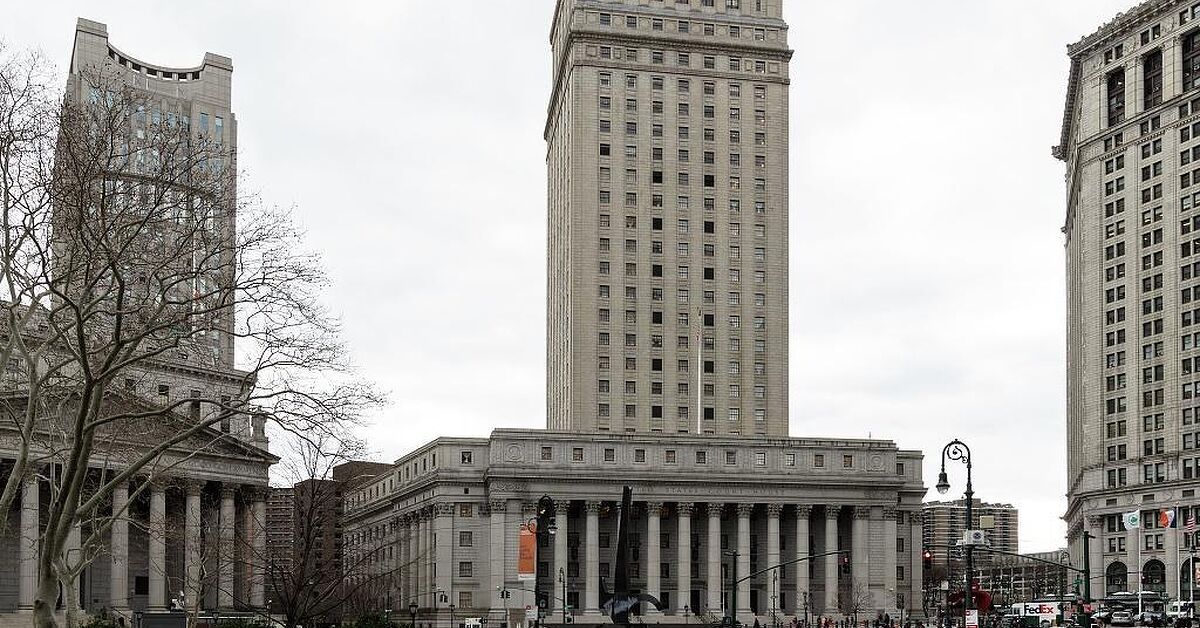
A federal appeals panel just revived the challenge to New York City's rule that limits licensed carriers to one handgun at a time. On November 10, a three-judge panel of the U.S. Court of Appeals for the Second Circuit, sitting in Manhattan, sent the case back to the trial court. The panel also revived the challenge to the city's 90-day handgun purchase rule. Neither rule was struck down. The city now has to prove both fit the nation's historical tradition of firearm regulation. Until a court rules otherwise, both limits remain enforceable.
Key Details
The case splits into several claims, and the appeals court treated each one differently. The panel kept the most important claims alive and dismissed the rest.
- Carry limit: A New York City carry license holder may carry one handgun at a time.
- Purchase limit: A license holder may buy one handgun every 90 days.
- Panel author: Judge Reena Raggi wrote the opinion for the panel.
- Lower court: U.S. District Judge Jed S. Rakoff dismissed the suit in December 2024.
- Old two-gun cap: The city repealed its cap on two registered handguns in August 2024. Plaintiff Mills keeps a narrower claim for past damages.
- Licensing fees: Plaintiff Holliday's fee challenge stays dismissed. The panel called his fee allegations too conclusory to survive.
- Standing: Challenges to three other rules remain dismissed because no plaintiff showed a personal injury from them.
- Timeline: The panel set no deadline for the remand. Either side may seek rehearing before the full Second Circuit or petition the Supreme Court.
The panel stopped short of declaring the rules unconstitutional. It said only that the city must defend them on history. Rakoff had predicted the revived claims would likely fail at that stage. The panel described that remark as suggestive, not final, and it wants a real historical analysis before anyone decides.
Background
The case rests on New York State Rifle & Pistol Association v. Bruen, the Supreme Court's 2022 decision. Bruen recognized that the Second Amendment protects carrying a handgun in public for self-defense. It also set a two-step framework. Step one asks whether the plain text of the Second Amendment covers the conduct. If it does, the government must justify its rule by pointing to historical regulations with a comparable tradition.
Rakoff applied step one against the plaintiffs in 2024 and dismissed the carry limit, the 90-day rule, and the fee claim. The Second Circuit reversed that outcome on the carry limit and purchase rule. The fee claim runs into Kwong v. Bloomberg, a 2013 Second Circuit decision upholding New York City's licensing fees. Under Kwong, a fee passes if it covers administrative costs without exceeding them and imposes no more than a marginal burden on applicants.
The city's defense leans on history. It argues that founding-era firearms were single-shot and had to be reloaded by hand after each shot. It also argues the 90-day rule deters straw purchasers, people who buy guns for someone barred from owning them. The panel said those arguments belong at step two, where the city carries the burden.
Why It Matters for Gun Owners
Right now, the people affected are New York City carry license holders. Nothing changes at the counter or on the street today. A license holder still carries one handgun at a time and waits 90 days between purchases. Anyone planning a handgun purchase in the city should assume the current rules apply through the remand.
The ruling matters more for what it signals. The Second Circuit has now said in writing that a numerical limit on carrying and buying handguns burdens the right to keep and bear arms. That reasoning does not stay in Manhattan. Other jurisdictions with similar rules will cite it, and plaintiffs in those cases will quote it. Watch whether the city produces historical analogues on remand. Those filings will show how far the government is willing to stretch the founding-era record.
If you hold a NYC carry license, keep clean purchase records and follow the current limits to the letter. A violation hands the city an easy argument, and the case turns on the city's ability to justify its rules, not on whether anyone complied. If you own a handgun in the city and were affected by the old two-gun registration cap, understand that the repeal narrowed the case to damages only.
DownRange Analysis
The panel did the job Bruen requires. It refused to let the city hide behind a policy goal. It found the text covers the conduct at step one, and it put the historical burden where it belongs. That is the correct sequence. Judges who skip step one or treat the government's policy interest as history have been reversed before.
The single-shot argument will not carry much weight. Historians can argue about founding-era rates of fire, but a rule that caps the number of guns a person can carry or buy is a different kind of regulation. The city will need analogues that restrict the number of arms rather than the manner of use. Those are hard to find.
For the market, expect no immediate change. Dealers in New York City will keep following the 90-day window. Owners will keep buying within the limit. The real pressure comes later, if the city fails on remand and the rule falls. What should a gun owner do right now? Follow the current law, keep records, and read the remand filings when they land. Do not assume the rule is dead. Courts are still deciding it.