Diamondback's 3-Inch SDR Revolver Makes a Strong Carry Case
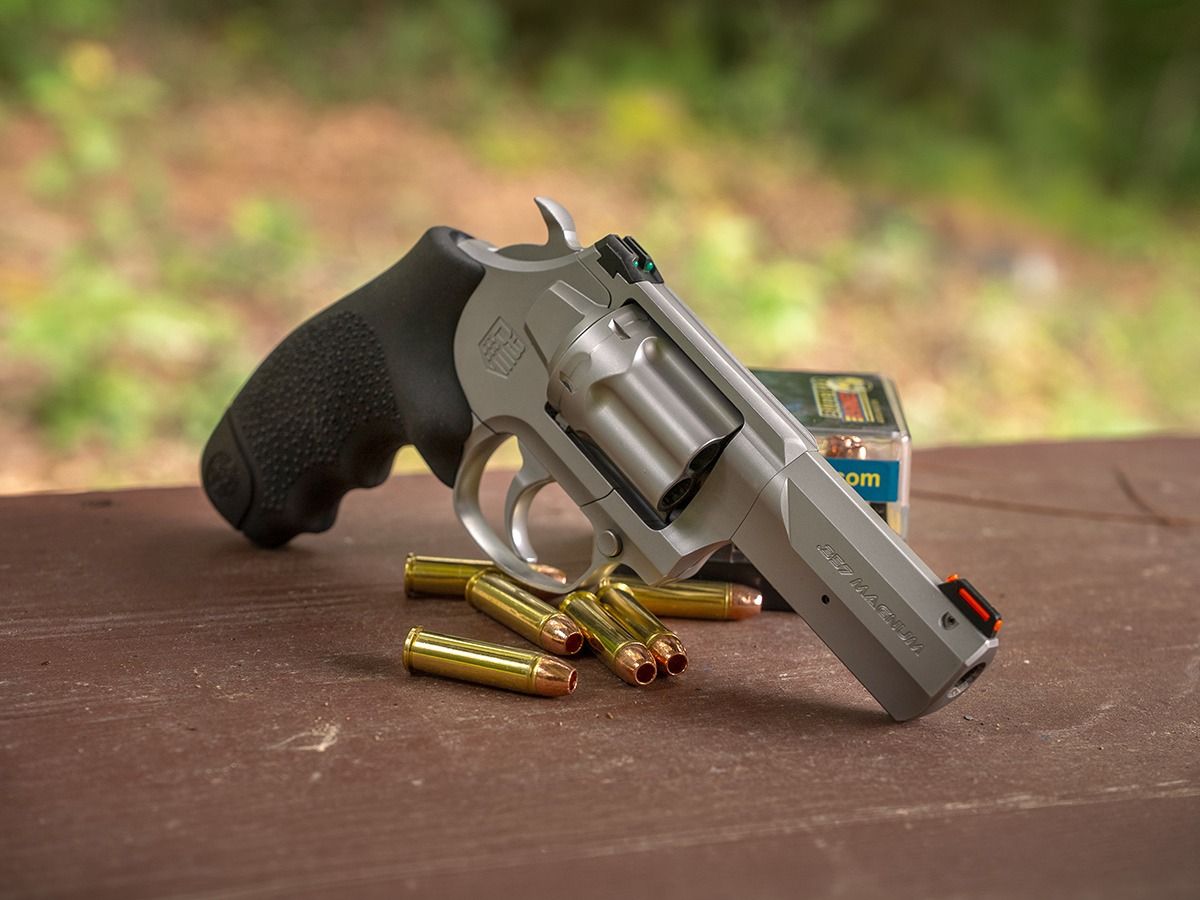
Gun Digest's review of the Diamondback SDR argues that a revolver is no handicap for self-defense. The compact 3-inch barrel fits the reviewer's point. The gun is built to be carried, not admired on a shelf.
The reviewer's central claim is simple. A revolver that runs reliably is worth more than a pistol with extra features that fail when needed. That claim matters because many carriers still chase capacity and accessories first.
Why It Matters for Gun Owners
Reliability is the first question for anyone who carries daily. A revolver answers it with a short list of parts and few places for trouble to start. There is no magazine to seat, no slide to lock back, and no extractor to tune to a specific load.
Simplicity also helps under stress. A shooter who trained with a revolver can usually run it without thinking about a safety or a grip switch. That matters more than a spec sheet when the situation turns quickly.
The tradeoffs are real, and owners should weigh them honestly. Most revolvers hold fewer rounds than a modern striker-fired pistol. Reloading takes longer unless the shooter practices with speed loaders or moon clips. A carrier who accepts those limits should train to them, not wish them away.
For many owners, a revolver also makes sense as a second gun or a backup. It works well for people who rarely practice and want a gun that forgives inconsistent handling. It also suits those who value a smooth, predictable trigger over a long target-shooting session.
Background
The revolver has carried a long record in American self-defense. Its cylinder holds several cartridges in chambers that rotate into line with the barrel. Each trigger pull either cocks and rotates the hammer or, in double-action guns, performs the whole cycle in one motion.
Diamondback has built its reputation on affordable, practical handguns. The SDR line fits that pattern. Buyers looking at this class of gun usually compare trigger quality, sight picture, weight, and concealability before they compare price.
Short-barreled revolvers present their own challenges. A shorter barrel reduces sight radius and can increase muzzle flash and recoil in some calibers. Shooters often find that practice with the actual carry load matters more than the caliber printed on the box.
Carry habits also shape how a revolver performs. Holsters must hold the cylinder securely and keep the trigger guarded. Owners who carry a revolver daily should inspect it regularly, clean it after range sessions, and confirm that the cylinder locks and rotates without binding.
DownRange Bottom Line
The Diamondback SDR earns attention because its argument is practical. A reliable revolver with a 3-inch barrel can serve as a real carry gun. It will not win every comparison on capacity, but it wins on simplicity and consistency.
Owners should test any carry gun with their own ammunition, holster, and hands before they trust it. Run the trigger, load and unload the cylinder, and practice reloads until they feel routine. The right gun is the one you will carry every day and know how to run without hesitation.