Feds Accuse Glendale of Pricing Carry Permits Out of Reach
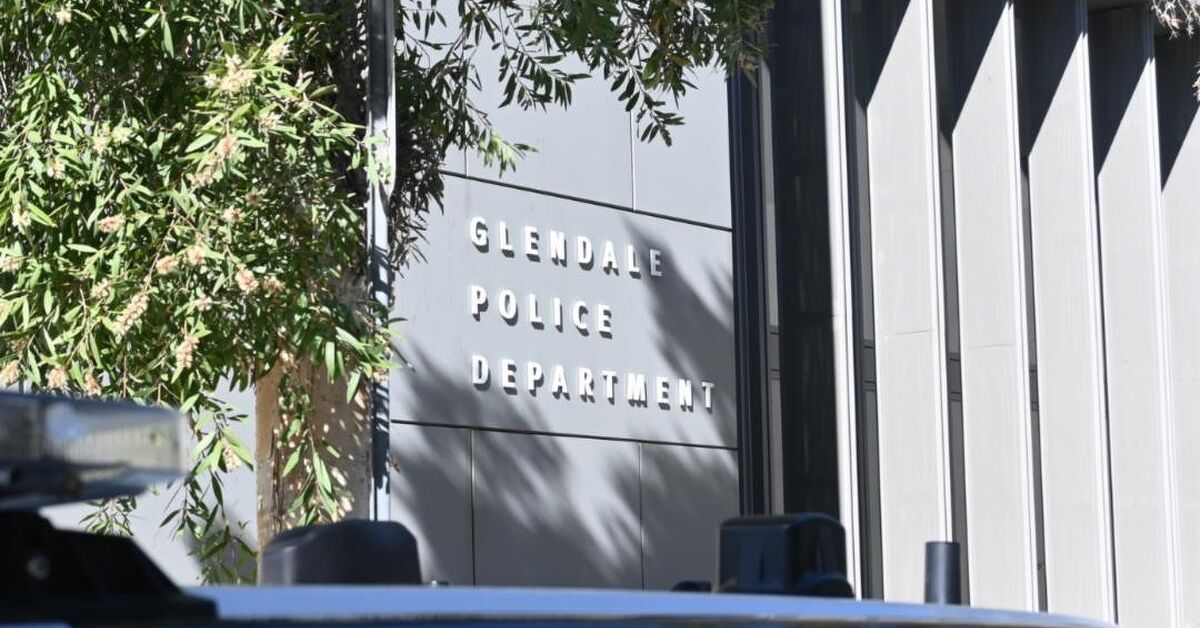
The U.S. Department of Justice sued the City of Glendale, California, on Nov. 9, 2026, accusing the Glendale Police Department of charging carry permit applicants too much and screening them too hard. The complaint sits in the U.S. District Court for the Central District of California as No. 2:26-cv-13098. DOJ's Second Amendment Section brought the case. Jesus Osete, acting assistant attorney general for civil rights, said the city "cannot impose unreasonable fees and unbridled discretion." The fight centers on two questions: what a permit costs, and how much room the police have to say no. As of Nov. 10, Glendale had not responded in court.
Key Details
The complaint quotes Glendale's own permit portal and lays out the price structure. Here is what DOJ says applicants pay:
- New permit, city fee: $1,078, split in half at application and after approval.
- Renewal, city fee: $826.
- Last fiscal year, city fee: $100 for a first application and $25 for a renewal, according to DOJ.
- Live Scan fingerprinting: $93 in state fees, plus the provider's charge.
- Training and range qualification: roughly $300 to $435.
- Psychological evaluation: about $500.
- Total new permit: roughly $2,000 by DOJ's math.
- Total renewal: roughly $1,300, excluding the psych exam.
Permits last two years, so renewal costs recur. A new state law allows permit terms of up to three years beginning Jan. 1. The screening side is just as specific. Glendale requires three reference checks, an interview, a review of public information including social media, residency verification, and a psych evaluation. DOJ argues that the references, social media review, and psych exam convert a shall-issue system into a may-issue one. It also says Glendale appears to require psych testing at every renewal, even though state law allows it only with "compelling evidence of a public safety concern." DOJ asks for an injunction against the fees, the psych exam, the references, the social media review, and the residency requirement. It also wants Glendale to contact everyone denied under those rules, invite them to reapply, and either return or destroy their psych exams and social media reviews.
Background
The legal footing traces to NYSRPA v. Bruen, decided by the Supreme Court in 2022. Bruen struck down New York's "proper cause" requirement and made clear that carrying a handgun for self-defense is protected conduct. The majority also said shall-issue licensing regimes are not automatically unconstitutional. A footnote in that opinion, though, notes that licensing systems can still be challenged when fees are exorbitant and keep ordinary citizens from carrying. DOJ is building its case on that footnote.
Before Bruen, the Ninth Circuit upheld San Diego's good cause requirement in Peruta v. County of San Diego in 2016, which made California's discretionary system very hard to challenge. Bruen changed that calculus. DOJ has since moved against several California jurisdictions. In September 2025 it sued the Los Angeles County Sheriff's Department over permit delays, and that case settled in August 2026. In September 2026 DOJ sued San Jose over a permit fee of nearly $1,600. The Glendale complaint invokes 34 U.S.C. § 12601, the federal pattern-or-practice statute that lets DOJ challenge a police department's systemic violations of constitutional rights.
Why It Matters for Gun Owners
Anyone planning to carry in Glendale should pay attention, whether they live there or not. The city's fee schedule shows what a jurisdiction can charge before it starts pricing out the Second Amendment. If DOJ wins, the fee and screening template could spread to other California departments and to shall-issue states with similar add-ons. Current Glendale applicants face the same bill today. The DOJ's renewal estimate of $1,300 every two years adds up quickly, especially for working people who carry daily but cannot justify the expense. Applicants who were denied after a social media review or a psych evaluation should save their denial letters and any correspondence. If the injunction succeeds, those records will matter for a reapplication offer. Watch the docket in No. 2:26-cv-13098 for any stipulated changes or early motions, since the city can change its fees at any time without a court order.
DownRange Analysis
The fee argument is the strongest piece of this suit. Bruen's footnote gives DOJ a foothold, and a $2,000 entry cost plus $1,300 renewals is hard to defend as a reasonable price for a constitutional right. The psych exam and social media review are weaker targets on their face, but the "may-issue" framing could still win traction if Glendale uses them to decline applicants without clear criteria. Expect Glendale to argue that its costs reflect the actual expense of training, fingerprinting, and evaluation. That argument has a shelf life, because a city cannot pass the cost of a state mandate through to applicants and then call the total reasonable. The market will feel this. Training providers and psych evaluators in Glendale have a financial stake in the current structure. What should a gun owner do right now? If you live in Glendale, budget for the full $2,000 and track every fee receipt. If you were denied, document it. If you live elsewhere in California, check your own county's fee schedule against Glendale's, because the same arguments apply there.