Double-Action Autos Require Completely Different Trigger Control
Double-action pistols impose a longer, heavier trigger press on the first shot than single-action competitors. Most DAO (double-action only) pistols require 8-12 pounds of pressure and a quarter-inch of travel before firing. Single-action guns break at 4-6 pounds after minimal movement. This fundamental difference kills accuracy for shooters trained exclusively on single-action triggers.
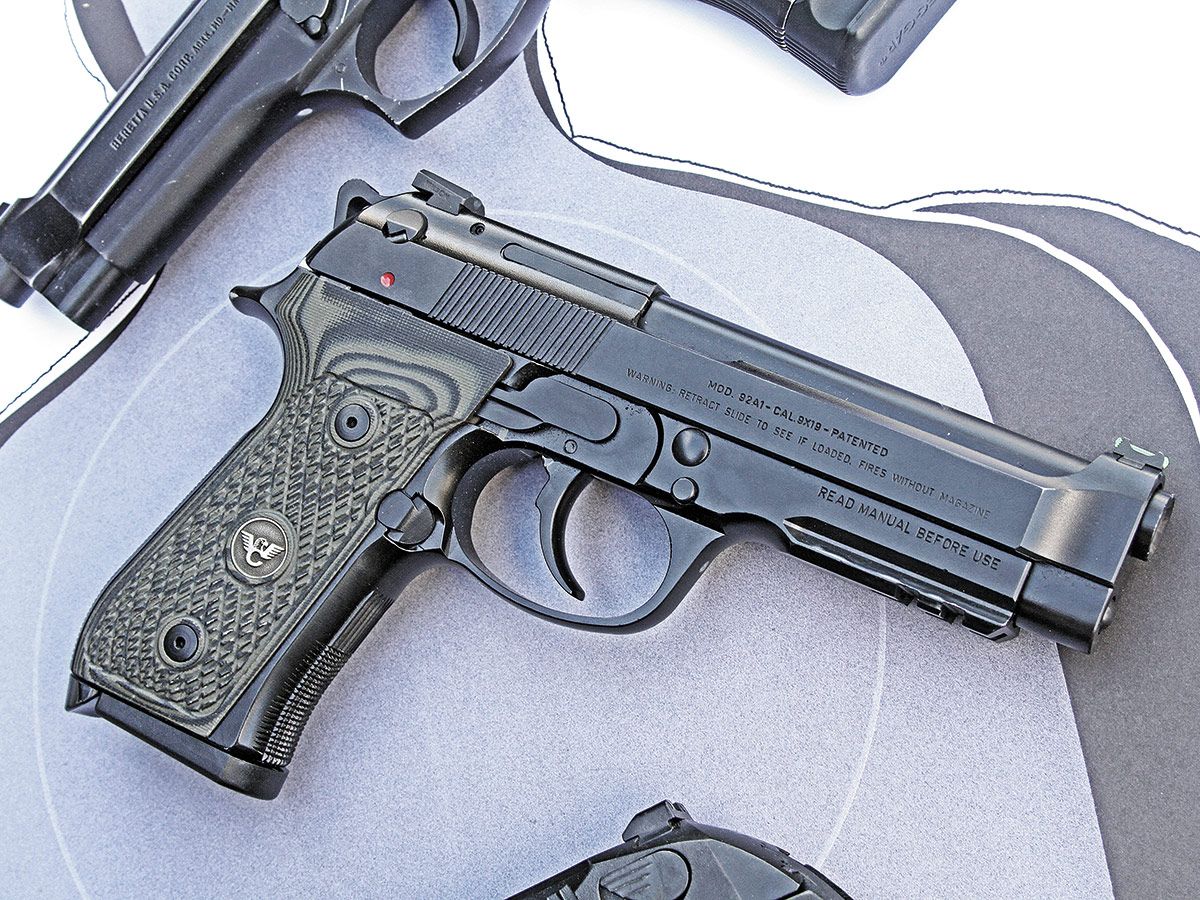
The Beretta 92FS, SIG P220, and similar DA/SA pistols fire the first round in double-action mode. Subsequent shots drop into single-action after the hammer cocks. Shooters must account for this transition or watch their groups open up downrange.
Why It Matters for Gun Owners
Carry gun selection often forces this choice on defensive shooters. Police departments selected DA/SA pistols for decades because the heavy first trigger prevented accidental discharge during holster draws and crowd encounters. That safety margin matters in real gunfights.
Training specifically for DA triggers separates competent shooters from lucky ones. You cannot shoot a DAO pistol like a 1911. You cannot treat it like a Glock. Your front sight must stay level during that long first press. Your finger isolation improves or fails. Your presentation speed changes.
Many defensive shooters own multiple pistols. A 9mm single-action for matches sits differently than a DA/SA carry gun. Muscle memory doesn't transfer cleanly. Dry-fire practice at home must reflect your actual carry gun's trigger characteristics. Shooting 500 rounds through a single-action pistol then switching to your DA carry gun at the range wastes ammunition and builds bad habits.
Range time costs money. Defensive ammunition runs $1.50 to $2.00 per round for quality loads. Shooters training with the wrong trigger profile waste both resources. Worse, they develop false confidence in guns they cannot shoot accurately under stress.
Background
Double-action autos emerged in the 1970s as police departments sought safer alternatives to single-action designs. The SIG P220, introduced in 1975, set the standard. Beretta's M9 contract win in 1985 cemented DA/SA pistols in military and law enforcement arsenals. Smith & Wesson, Taurus, and CZ followed with their own designs.
Combat shooters initially dismissed DA pistols as slow and inaccurate. That narrative shifted as competitive shooters mastered the trigger. Modern defensive courses teach DA transition techniques that work in real-world scenarios. The technique requires four key components: smooth, straight trigger press; proper sight alignment during that press; reduced grip pressure; and trigger reset practice between shots.
First-shot accuracy under stress determines gunfight outcomes. A fumbled DA trigger press means a miss at critical distances. Three dry-fire repetitions per day for 30 days transforms DA technique. Most shooters see measurable improvement within six weeks of focused training.
Ammunition selection also matters. Heavy, poorly-designed carry loads sometimes fail to cycle DA/SA pistols reliably. Testing your specific carry ammunition in your specific gun prevents failures when seconds count.
DownRange Bottom Line
Own a double-action auto? Train it separately from single-action guns. Dedicate range sessions exclusively to DA trigger work. Dry-fire daily at home. Master the long first press before adding speed. Your accuracy depends on it. Your life might too.