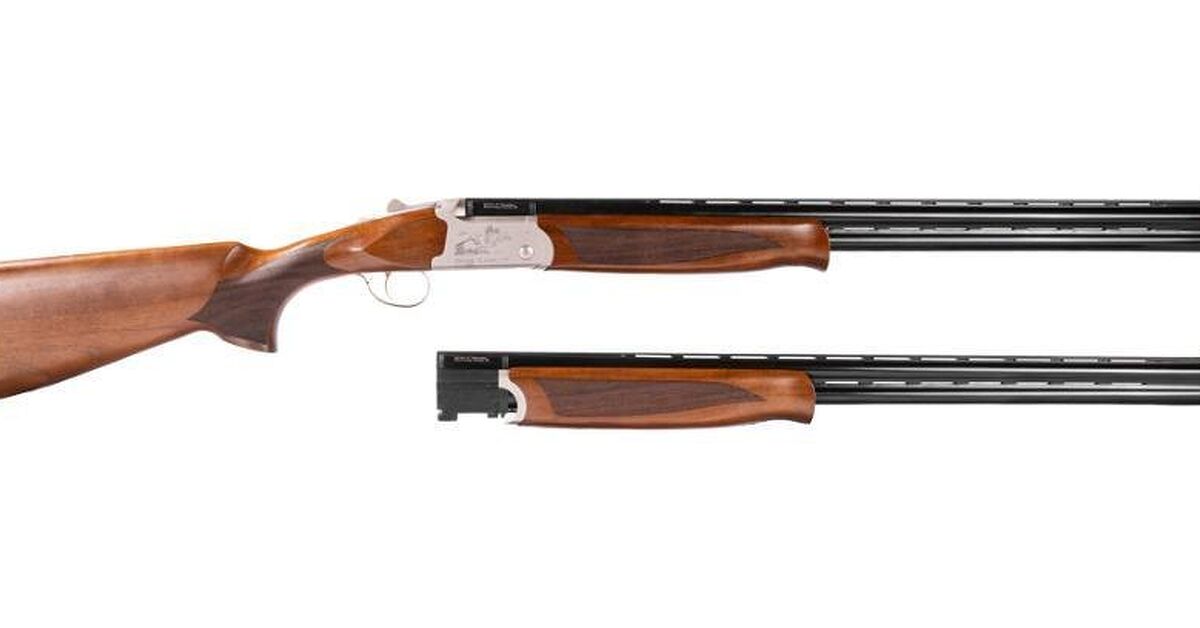
EAA releases dual-barrel Blue Label over/under in 20 and 28 gauge
EAA Corporation expanded its Blue Label over/under shotgun line with a new combo model featuring interchangeable barrel sets in both 20 and 28 gauge. The gun arrives as a single receiver paired with two complete barrel assemblies, letting shooters switch gauges without buying separate firearms.
Dual-gauge combos appeal to clay shooters and upland hunters who want flexibility without stacking multiple guns in the safe. The 20 gauge handles most shooting scenarios with manageable recoil. The 28 gauge shines for tight patterns on distant birds and competitive shooting where precision matters.
EAA positioned this model in the mid-range price segment, making it accessible to shooters who'd otherwise choose between gauges. Complete specifications and MSRP remain subject to distributor pricing, but the combo concept delivers genuine value for working gun owners.
Why It Matters for Gun Owners
Many shooters skip smaller gauges due to cost. A dedicated 28-gauge gun runs $800-1,200. Adding that capability to an existing 20-gauge platform cuts the financial barrier considerably.
Hunters benefit immediately. Early season upland work often means smaller birds at distance—perfect 28-gauge territory. Later in the season when coveys flush closer, the 20 gauge handles volume shooting better. Switching barrels takes seconds.
Clay competitors face similar decisions. Skeet shooters love 28 gauges for their precision and lower felt recoil. Sporting clays demand the 20's versatility for varied targets. This combo lets one shooter train on both without gear management headaches.
Women and younger shooters gain real advantage. The 28 gauge's lighter recoil builds confidence and skill without flinch development. As they progress, the same gun transitions to 20-gauge hunting or competition work.
The Blue Label line maintains EAA's reputation for delivering affordable Turkish-manufactured shotguns that handle real work. This combo model extends that philosophy into gauge flexibility.
Background
EAA's Blue Label series launched several years ago as the company's answer to budget-conscious shooters seeking reliable over/unders. The line competes directly with Mossberg's O/U offerings and entry-level Browning models.
Turkish shotgun manufacturing has matured significantly. EAA sources quality receivers and barrels from established suppliers, then assembles and tests in-house. Blue Label guns rarely arrive broken and hold up through seasons of actual use.
The 20 and 28 gauge combination isn't new conceptually—Beretta and Perazzi offer premium versions pushing $5,000 and beyond. EAA's version targets working shooters who want the capability without luxury pricing.
Interchangeable barrel sets require precise fitting. The receiver's dimensions must accommodate both gauges with proper choke threading and ejector function. EAA invested engineering time ensuring barrels swap without headspace issues or reliability loss.
The 28 gauge renaissance reflects changing ammunition economics and shooter preferences. Federal and Winchester now offer competitive 28-gauge loads. Reloaders find brass readily available. Twenty years ago, smaller gauges meant hand-loading or specialty shops. Today they're mainstream.
DownRange Bottom Line
This combo makes sense for shooters who've hesitated on 28-gauge guns due to cost. You get legitimate dual-gauge capability in one firearm at a price point that doesn't require financing.
Quality expectations match the price tier. Don't expect the fit-and-finish of guns triple the cost. Expect a gun that patterns reliably, cycles smoothly, and handles seasons of hunting or competition.
If you run clay courses or hunt mixed upland terrain, test-drive one. The economics alone justify serious consideration, and EAA's track record suggests the gun will deliver.