FAST Launches Auto-Rifle Division for Registered Machine Guns and FRT Rifles
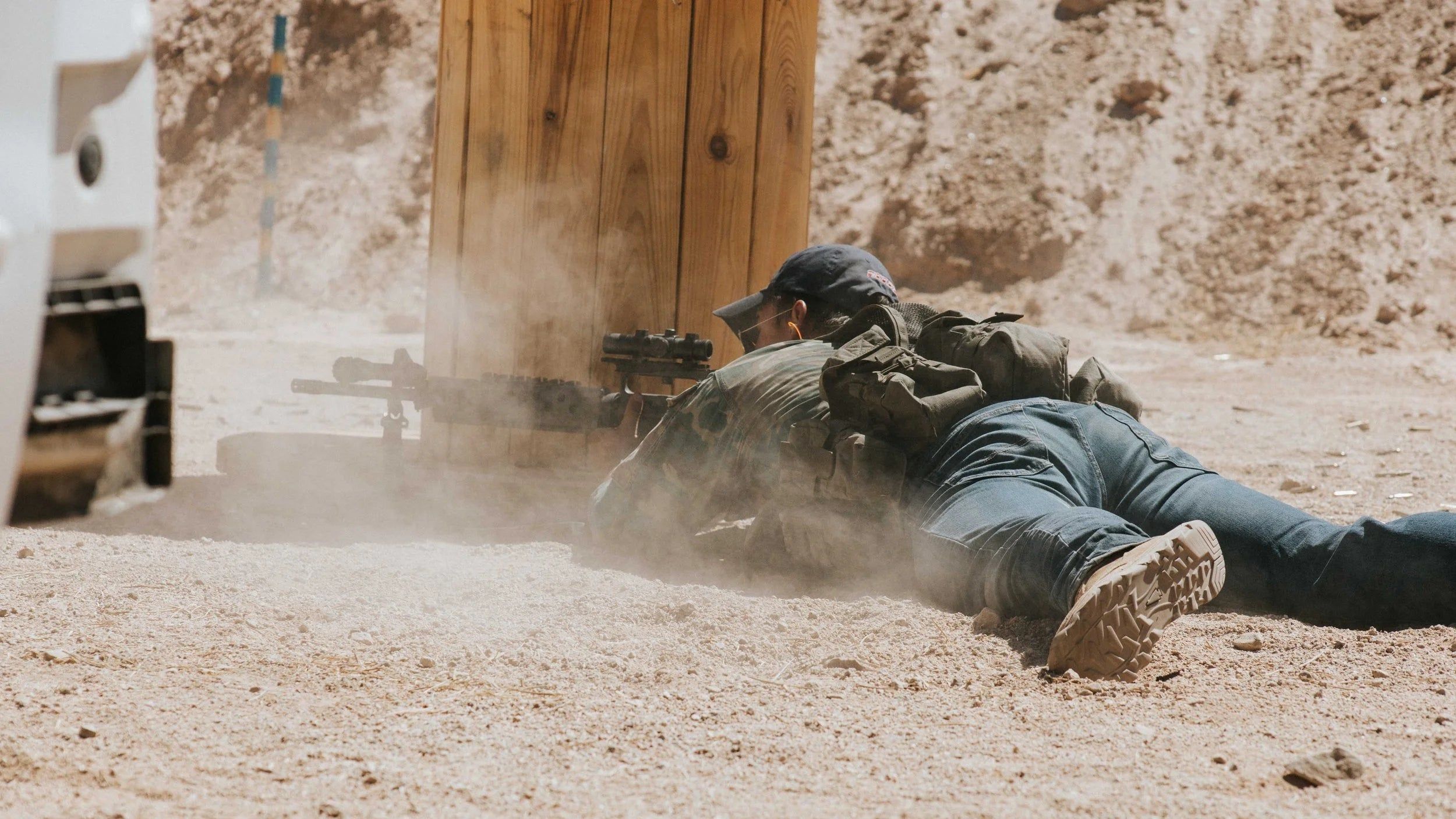
Firearms Action Shooting Trials (FAST) is rolling out a new Auto-Rifle division at its upcoming Idaho match, creating the first competitive venue designed specifically for shooters running either registered NFA machine guns or FRT-equipped semi-autos. The move formalizes competition brackets that had previously operated in gray areas or didn't exist at organized match series. Shooters can now compete head-to-head with legally registered full-auto guns or semi-automatic rifles fitted with Forced Reset Triggers.
Key Details
- FAST's new Auto-Rifle division debuts at an Idaho venue with straightforward eligibility: bring a registered NFA machine gun or an FRT-equipped rifle
- The division establishes formal competition rules for a category that lacked sanctioned match infrastructure
- FRT manufacturers gain direct competitive credibility through organized shooting trials
Why It Matters for Gun Owners
This development opens legitimate competition space for FRT owners, who have faced regulatory uncertainty since the ATF's 2023 withdrawal of the blanket compliance letter. Until now, most organized shooting sports either banned FRTs outright or forced them into generic rifle divisions with no specialized ruleset. FAST's decision creates a dedicated bracket where FRT performance and reliability can be tested in real match conditions against actual machine guns. For shooters in states allowing NFA registration, this levels competition—machine gun owners no longer have an unchallenged advantage in speed-shooting events. It also signals industry-wide acceptance of FRTs as legitimate competition equipment, potentially influencing how other match organizations structure their divisions going forward.
DownRange Analysis
FAST's move is pragmatic competition structure, not a legal argument. The organization isn't making claims about FRT legality—it's simply establishing equipment divisions based on what shooters bring. This keeps FAST insulated from regulatory politics while serving a growing customer base. For FRT manufacturers, this is marketing gold: organized competition generates content, validates reliability claims, and attracts buyers who want proven equipment. Gun owners should note this doesn't resolve underlying legal questions about FRT classification, but it does formalize a competitive tier that buyers clearly demand. If other major match series follow, FRT adoption could accelerate substantially.