Fifth Circuit Refuses Fast Track on Texas Machine Gun Challenge
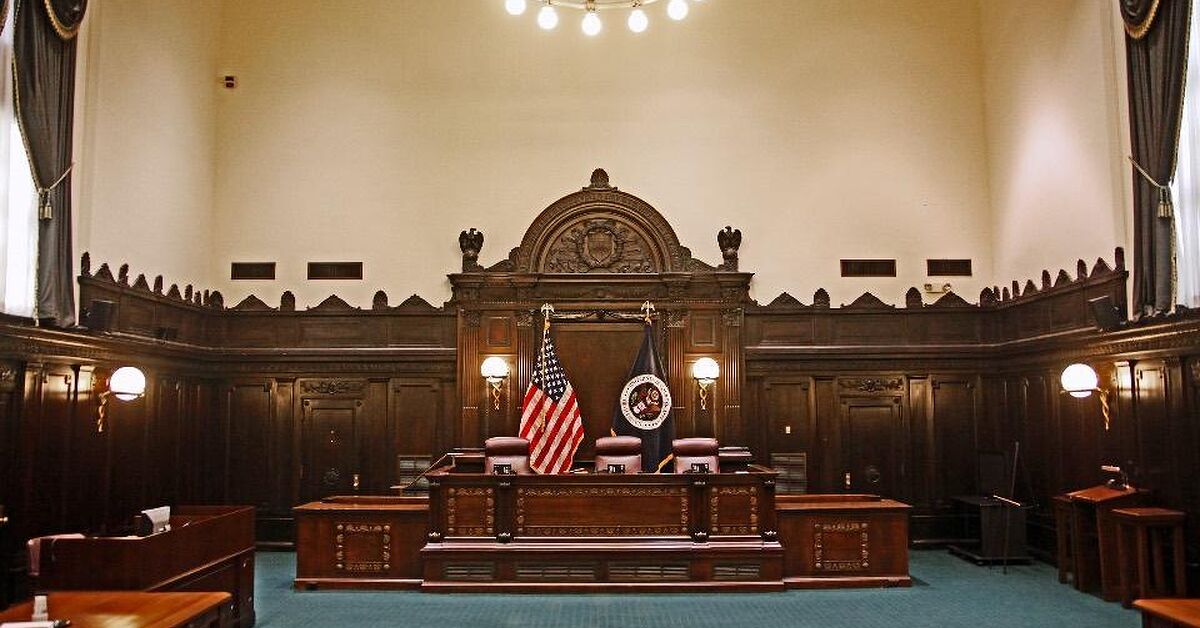
The Fifth Circuit just told Texas machine gun hopefuls to wait. On Nov. 4, the full appeals court voted 9-8 against skipping the usual three-judge panel in a challenge to the federal ban on civilian machine guns made after May 19, 1986. The court covers Texas, Louisiana and Mississippi. The club needed nine votes to bypass the panel and got eight. The Hughes Amendment stays in force. The case now goes to a panel that will likely rule against the challengers unless the law shifts first.
Key Details
The lawsuit comes from the Temple Gun Club, a Texas nonprofit with more than 1,000 members. The club filed March 10 in federal court in Fort Worth. Members Jeffrey Howard, Clark Miracle and Jason Armstrong joined as plaintiffs. The defendants are the U.S. attorney general and ATF officials. The club wants an order barring enforcement of the ban against its members.
- The target is 18 U.S.C. § 922(o), the Hughes Amendment, which bars transferring or possessing a machine gun with exceptions for government use and guns lawfully owned before the ban.
- The vote was 9-8 on Nov. 4. Nine judges were needed for en banc review without panel action.
- Judge Andrew S. Oldham dissented, joined by Judge James C. Ho.
- Chief U.S. District Judge Reed O'Connor dismissed the suit on July 22, citing binding precedent.
- The Justice Department opposed the en banc request, pointing to federal appellate rulings that upheld the ban.
- The full court agreed on July 20 to rehear United States v. Squire, which examines whether the Commerce Clause supports § 922(g)(1). Squire sits on the January 2027 en banc calendar.
The club frames the case as a question of congressional power, not individual rights. It argues the Commerce Clause does not reach simple possession of a machine gun made and kept within one state. The government defends the ban under the Commerce Clause.
Background
Congress passed the Hughes Amendment in 1986 as part of the Firearms Owners Protection Act. It closed the registry for machine guns made after the effective date, which froze the legal supply for civilians. Guns made before that date remain legal under the National Firearms Act, but buyers must pass an ATF registration process and pay the $200 transfer tax set by the 1934 law.
In United States v. Knutson (1997), the Fifth Circuit upheld § 922(o) as a valid use of the commerce power. That decision binds lower courts in the circuit. Panels cannot overrule each other, so the Temple Gun Club faced a dead end at the district level. The club took the appeal toward the full court to clear that obstacle.
Earlier this year, the full Fifth Circuit declined to rehear a Second Amendment challenge to the same ban. The Mississippi federal judge who threw out a machine gun charge in 2025 relied on Second Amendment grounds. The Temple Gun Club case takes a different route and rests on federal power, not individual rights.
Why It Matters for Gun Owners
Texas, Louisiana and Mississippi gun owners live under this ruling right now. Anyone in those states who wants a transferable machine gun must buy a pre-1986 registered gun through an FFL and the NFA process. A new post-1986 machine gun remains off the table for civilians, regardless of where it gets built or stored.
Dealers and collectors should watch the Squire case closely. Its outcome decides whether the Fifth Circuit still accepts broad Commerce Clause reasoning for federal gun crimes. A ruling that narrows the commerce hook would give the Temple Gun Club a real argument on remand.
Owners who hold registered suppressors, short-barreled rifles or machine guns should keep records of ATF approvals and tax stamps. Court wins on federal commerce arguments tend to surface in forms, transfers and inspections long before they reach a shooting range. Paper trails matter.
DownRange Analysis
This is a procedural loss, and it should not be read as a merits decision. Still, the 9-8 split shows the Fifth Circuit has real judges willing to question § 922(o). Oldham's dissent does the most useful work by tying the machine gun ban to the Commerce Clause doubts raised in Squire. The commerce hook in § 922(o) is weaker than the one in § 922(g), and the government will have to explain why.
Bruen asks whether a regulation fits within the nation's historical tradition of firearm regulation. Machine gun bans fail to match the historical pattern that Heller and Bruen describe, so the Second Amendment theory has force. The Temple Gun Club's Commerce Clause theory skips that test entirely. That makes it a sharper tool for a panel that wants to avoid a Second Amendment fight.
What should a Texas gun owner do right now? Do not buy a machine gun expecting a shortcut. Build a compliance file for every NFA item you own. Track the Squire decision. If the full court narrows the commerce power, file the next motion with the Temple Gun Club's counsel, not after a federal prosecutor comes knocking.