$300 Fletcher Taquito .22 Suppressor Cracked End Cap at 5,000 Rounds
A long-term test of the Fletcher Rifle Works Taquito 22 ended with a cracked end cap after more than 5,000 rounds of .22 LR over roughly two years. The 3.5-ounce can comes from the Texas company behind the OpenTop 11/22. Fletcher lists it at $300. After the failure, owner Paul Fletcher discussed a design update with the tester. That update has rolled out, and it now applies to every new Taquito. The tester found that high-volume rimfire shooting exposed the one weak point in the design, and Fletcher's fix targets it directly.
Key Details
The Taquito is the dedicated .22 LR model in Fletcher's Texas-named suppressor line, which also includes the Texas Flood, Cotulla 6, Weston 8, and Permian. The specifications break down as follows:
- Dimensions: 5.75 inches long, 1 inch in diameter
- Weight: 3.5 ounces
- Mount: 1/2x28 direct thread
- Materials: 17-4 PH stainless steel and 6061 aluminum
- Finishes: Cerakote in black, coyote tan, or OD green
- Baffle stack: One 17-4 stainless blast baffle, followed by six aluminum K baffles
- Serviceability: User-serviceable, with no modular sections or wipes
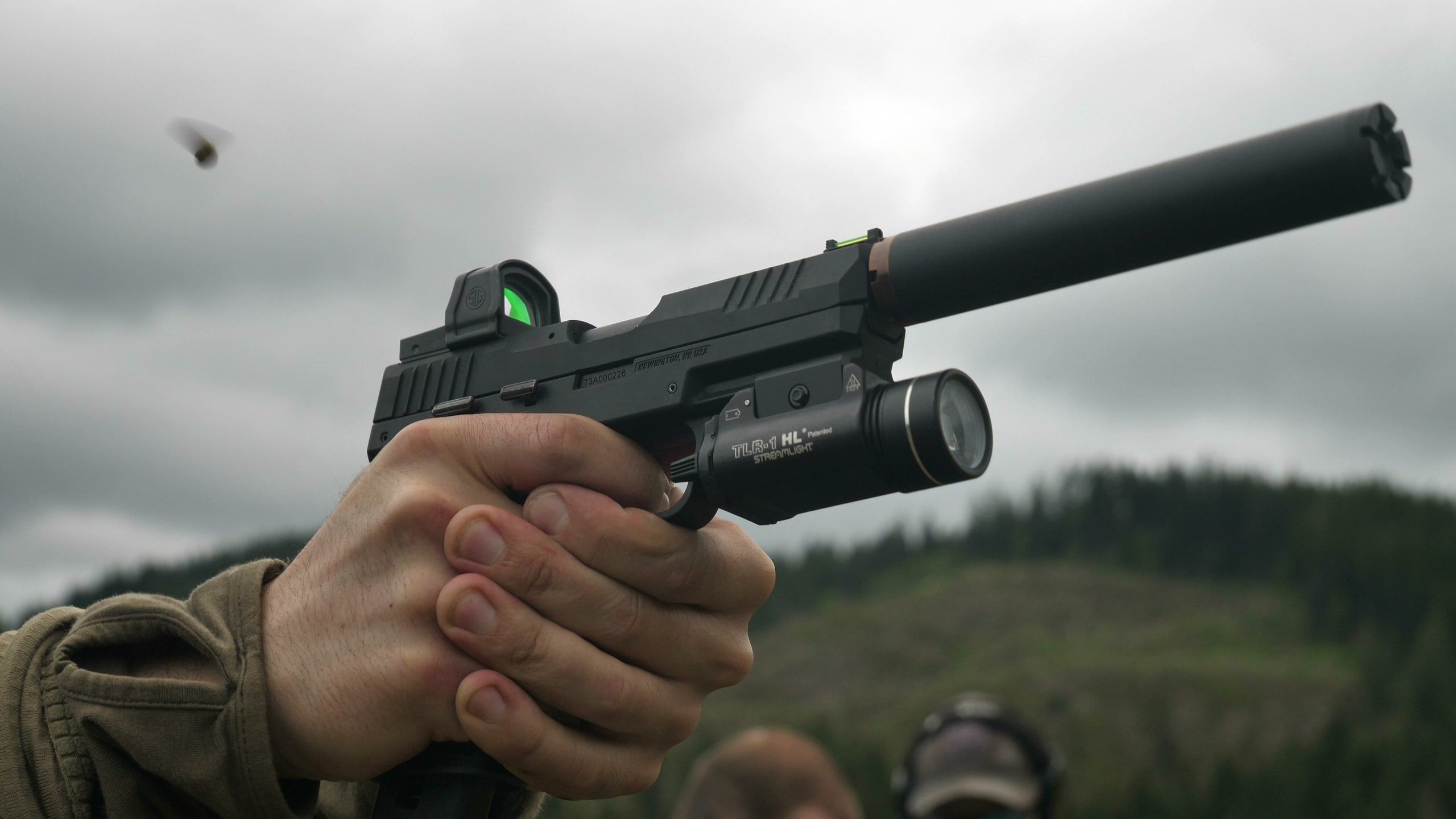
The tester ran the can on a Fletcher OpenTop 11/22 takedown rifle and a SIG P322 pistol. At 3.5 ounces, it added little weight to either host. The P322 stayed balanced. The tester fired about 1,500 rounds before the first cleaning, which was overdue, and cleaned the can at least three or four times after that. Silencer Shop's cleaning guide recommends cleaning rimfire cans every 300 to 500 rounds. Fletcher advises soapy water and a soft brush for the aluminum parts and allows a suppressor-specific solvent or ultrasonic cleaner for the stainless blast baffle. The tester reported a first-shot blast louder than the rest of the string. Silencer Shop lists a MIL-standard average of 119 dBA, and the tester warned that host, barrel length, and ammunition change that figure.
Background
Fletcher Rifle Works started in rimfire. The company worked with Sebastian Unger on the OpenTop 11/22 receiver before it added suppressors to its catalog. That history explains why the .22 line matters to the brand. Suppressors remain regulated under the National Firearms Act of 1934. Buyers still file an ATF Form 4 and pass a background check before taking possession. Federal law reduced the $200 transfer tax on suppressors to zero effective January 1, 2026, but the paperwork and approval wait did not go away. Rimfire cans face a different wear pattern than centerfire cans. Rimfire fouling mixes carbon, lead, and bullet lube, and it hardens the longer it sits. Aluminum baffles save weight and cost, but they erode faster under direct blast. Fletcher's answer was to put stainless in the first position, where the hottest gas and debris hit.
Why It Matters for Gun Owners
Anyone running a .22 pistol or takedown rifle should pay attention. Lightweight hosts like the SIG P322 and field-carried takedown rifles benefit most from a can this light. The tradeoff falls on maintenance and volume. If you shoot a few thousand rounds a year, the Taquito works as a quiet, inexpensive range can. If you burn through hot ammo by the brick, you should plan for more frequent cleaning and watch the end cap and threads. Subsonic ammo keeps the action noise down and reduces wear. High-velocity .22 LR breaks the sound barrier, roughly 1,125 feet per second at sea level, and that crack carries downrange whether you suppress the muzzle or not. Check whether your state allows suppressor use for hunting or restricts it outright before you buy. If you already own a Taquito built before the update, contact Fletcher about the end cap and ask for the revised part.
DownRange Analysis
Suppressors are common accessories, and the Second Amendment question here stays narrow. Under New York State Rifle and Pistol Association v. Bruen, the Court requires the government to show a historical tradition supporting a firearms regulation. The NFA registration and tax regime faces its own constitutional challenges, and the Taquito itself raises no 2A issue. The market question is more interesting. A $300 stainless-and-aluminum can with a field-serviceable design undercuts many all-stainless and titanium options. The buyer gives up some durability and cleaning freedom to get that price, and the tester says so plainly. Our advice is simple. Buy the can only if your host and ammo fit the design. Subsonic ammo, regular cleaning, and a dealer who handles warranty questions will get the most life from it. Ask Fletcher for the updated end cap before you shoot any serious round count.