Putnam County Jury Rejects Self-Defense, Convicts Deller of Murder
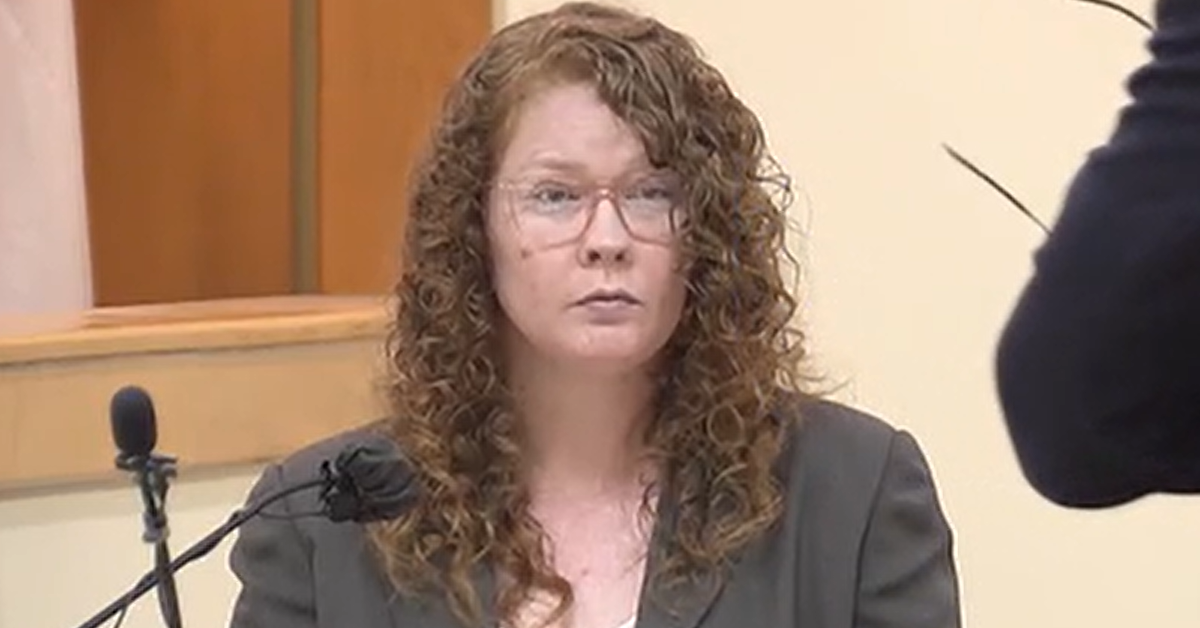
A Putnam County jury in Palatka, Florida, convicted Caylen Deller of first-degree murder on October 15 and rejected her claim that she shot in self-defense. The verdict carries a life sentence for the 2024 death of her former boyfriend, Chad Mullen. Jurors also found Deller guilty of tampering with evidence and failing to report a death. They deliberated for roughly an hour before returning. The case did not turn on a new legal standard. It turned on whether jurors believed Deller's account of the shooting, and whether her actions afterward undercut it. They did not believe her. For gun owners, the lesson sits in the hours after the trigger pull.
Key Details
- Verdict date: October 15, first-degree murder, guilty.
- Sentence: Life for murder. Judge Alicia Washington imposed concurrent terms of 15 years and five years on the evidence tampering and failure-to-report counts.
- Defendant's testimony: Deller took the stand the day before the verdict. She said Mullen choked her and came at her with a hammer, and that she fired because she feared for her life.
- Post-shooting conduct: Prosecutors said Deller hid Mullen's body instead of calling police. Trial reporting described her later destroying his phone.
- Defense concession: Her attorney told jurors in closing that she should have called 911. He argued that her later choices did not prove the shooting itself was murder.
- Prosecution's response: State Attorney R.J. Larizza said the jury had rejected Deller's account.
- Timeline: Mullen died in September 2024. His body turned up buried in Hastings on October 28, 2024. The State Attorney's Office announced the November 2024 indictment that followed.
The timeline matters. The state built its case on two separate problems. The first was the shooting. The second was the cover-up. Jurors could reject the self-defense claim on the first and still convict on the second, which they did.
Background
Florida's Stand Your Ground framework dates to a 2005 law that removed the general duty to retreat before using deadly force in places where a person has a right to be. The core deadly-force provision is Florida Statute 776.012(2). It allows deadly force when a person reasonably believes it is necessary to prevent imminent death, great bodily harm, or the imminent commission of a forcible felony. The statute's protections generally apply when the person is not engaged in criminal activity and is somewhere they have a legal right to be.
Lawmakers revised the framework in 2017. That revision added a pretrial immunity hearing, which lets a judge decide whether a defendant qualifies for immunity before trial. When that hearing does not end the case, self-defense goes to the jury. That is what happened here. A jury weighed competing accounts, and the defendant's self-defense claim was one of several questions it answered against her.
Why It Matters for Gun Owners
Every Florida carrier and every gun owner who keeps a firearm for home defense should read this case closely. Florida's self-defense law protects a justified shooting. It does not protect what comes after. Failing to call 911 and moving a body are not gray areas. They became separate felony counts, and the state used them to argue that the shooting was not what the defendant described.
The practical risk runs in three directions. First, a self-defense claim must match the physical evidence and the timeline. Second, any attempt to hide a body or destroy a phone hands prosecutors a second case. Third, a defendant who testifies puts her own credibility on the line, and cross-examination will test every detail. Florida permit holders, out-of-state visitors who carry under reciprocity, and anyone who keeps a handgun at home all face the same sequence if they use a firearm. The shooting ends in seconds. The legal case starts immediately after.
DownRange Analysis
Does this case survive Bruen scrutiny? The question is off-target. New York State Rifle & Pistol Association v. Bruen addressed the right to carry in public, not the state's rules for justifying a shooting. Florida's self-defense defense is a state-law question that juries decide on the facts. Nothing in this verdict strikes down or narrows a constitutional right to armed self-defense. It shows how a jury reads a defendant's conduct.
The market impact is zero. Nobody buys a holster or a range bag because of this verdict, and nobody should. What a gun owner should do is simple. Carry a plan, not just a pistol. Know when to call 911 and call it immediately. Preserve the scene and any phone or video evidence. Stop handling the scene once it is safe. Talk to a criminal defense attorney before you give a detailed statement. If you are a Florida permit holder, review your training on the use-of-force statute before you need it.