Off-Duty Officers Face Unique Concealment and Access Challenges
Law enforcement carry off-duty weapons that demand different holster selection, clothing strategy, and mental preparation than civilian daily carry. An officer's duty gun often stays home when off-shift. The replacement firearm must conceal under civilian clothes while remaining accessible during a sudden threat—a problem most gun owners never consider.
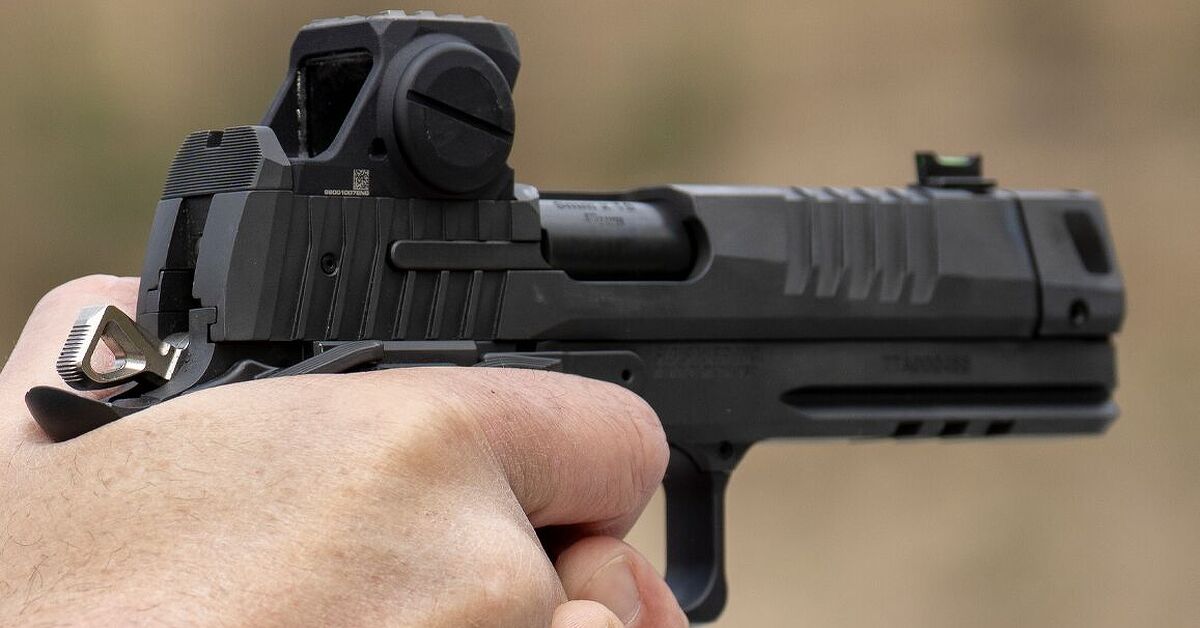
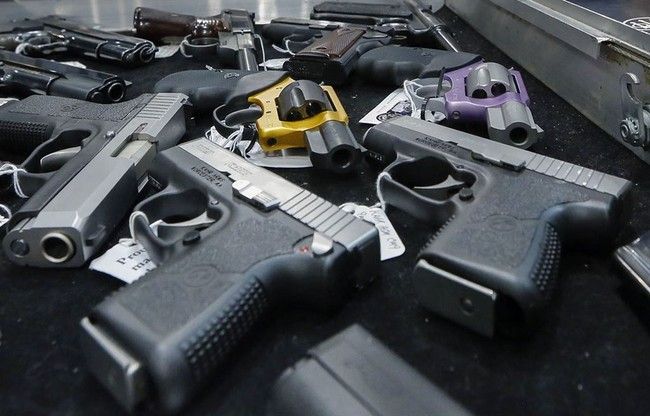
Print management separates workable off-duty rigs from guns that stay locked away. A Glock 19 or Smith & Wesson M&P 9 Compact disappears under an untucked shirt easier than a full-size service weapon. Appendix carry works for some officers. Others prefer 3-4 o'clock strong side positions. The holster choice matters more than the gun itself.
Kydex holsters outperform leather for off-duty work. They retain the weapon even during physical exertion, car movement, and the unexpected contacts officers encounter in civilian life. A bad holster lets the gun move, creating visible print that ruins concealment and forces constant adjustment.
Why It Matters for Gun Owners
Off-duty officers think about threats civilians ignore. They notice vehicles, positioning, exits, and hostile intent patterns most people miss. That trained awareness separates survival responses from panic.
Civilians mistake off-duty officer carry for daily carry. They're not equivalent. An officer's gun stays deployed longer. An officer may face multiple assailants targeting them specifically because of their job. A civilian faces random crime with less predictable threat patterns.
The mental shift matters more than hardware. An officer carries without the radio, patrol car, and backup officers standing by. That isolation demands different decision-making. A civilian should ask themselves: "Am I carrying this gun because I'll actually use it, or because I feel safer with it?" Officers answer yes to using it. Civilians must answer that honestly before strapping on a weapon off their property.
Clothing selection determines whether off-duty carry works. An officer wearing a tucked dress shirt at a family dinner faces different concealment challenges than wearing casual untucked wear. Smart civilian carriers dress for their gun, not the other way around.
Background
Off-duty carry policies vary wildly across departments. Some agencies mandate officers carry constantly. Others prohibit off-duty carry entirely. Most fall somewhere between those extremes, requiring off-duty officers to carry during high-risk activity but allowing discretion during routine errands.
This inconsistency reflects broader questions about liability, training, and officer safety. A department mandating off-duty carry assumes officers train enough to handle threats without backup. A department prohibiting it assumes the liability risk exceeds the safety benefit.
The reality: officers who choose to carry off-duty outperform those who don't when threats materialize. Selection of the right equipment—smaller guns, quality holsters, appropriate clothing—determines whether that advantage actually exists during critical moments.
DownRange Bottom Line
Off-duty carry demands specific gun choices, serious holster investment, and honest self-assessment. A Glock 19 or Shield Plus works better than a full-size duty weapon. An $80 Kydex holster beats a $30 leather option every time. Untucked shirts beat fashion over function.
More important: carry only if you'll actually deploy the weapon when necessary. Mental preparation and threat recognition matter more than the gun sitting on your hip. Officers succeed at off-duty defense because they've trained to recognize threats and commit to violent response. Civilian carriers need the same mentality.
Don't carry a gun off-duty to feel comfortable. Carry it because you've decided lethal force is an acceptable response if certain conditions develop. Everything else flows from that commitment.